How to Overwinter Persicaria odorata
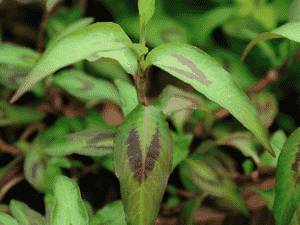
1
Vietnamese coriander flourishes in warm, humid environments and is sensitive to freezing temperatures.
2
Optimal indoor winter temperatures for Vietnamese coriander should be maintained between 18-24°C (64-75°F).
3
Provide adequate drainage to avoid root decay, a frequent issue in plants given too much water.
Why Does Vietnamese coriander Need Special Care in Winter?
Why Does Vietnamese coriander Need Special Care in Winter?
As a delicate perennial, Vietnamese coriander struggles in cold weather. Unlike hardier plants, it suffers when temperatures fall below 10°C (50°F). In colder winter regions, frost and freezing temperatures can harm or kill the plant if left outside unprotected. This makes careful overwintering crucial for its survival and health until warmer months return.
Preparing Vietnamese coriander for Overwintering
Pruning the Plant
Before moving Vietnamese coriander indoors for winter, it's vital to prune it. Start by removing any dead or yellowing leaves to prevent indoor decay and disease. Trim the plant back by about one-third to one-half of its size. This reduces its footprint and encourages healthy new growth in spring.
Cleaning the Pot
Thoroughly clean the pot before bringing it inside. Remove any debris from the soil surface and ensure the pot itself is free of dirt and residue. Cleaning the pot helps prevent pests and diseases from entering your indoor environment.
Checking for Pests
Inspect the plant for pests like aphids, spider mites, and whiteflies that may have settled during the growing season. Treat any infestations before bringing the plant indoors. Use a mild insecticidal soap if needed and ensure the plant is pest-free to avoid an indoor outbreak.
Indoor Overwintering Methods
Choosing the Right Location Indoors
Select a spot where the plant receives bright, indirect light. A south-facing window is ideal, but ensure the plant isn't directly exposed to sun, which can scorch leaves. If natural light is insufficient, supplement with a grow light for necessary illumination.
Maintaining Optimal Temperature and Humidity
Vietnamese coriander prefers a warm, humid environment. Aim for indoor temperatures between 18-24°C (64-75°F) and maintain humidity levels around 50-70%. You can achieve this by placing a humidifier near the plant or setting the pot on a tray with water and pebbles.
Watering and Feeding During Winter
Reduce watering frequency as the plant's growth slows in winter. Water when the topsoil feels dry, ensuring excess water drains to prevent root rot. Fertilize sparingly, if at all, during winter. If fertilizing, use a half-strength balanced liquid fertilizer every 4-6 weeks.
Using Containers for Easy Overwintering
Choosing the Right Container
Select a container that is appropriately sized for the plant's root system, but not excessively large. Ensure it has drainage holes to allow water to escape and prevent waterlogging.
Proper Soil Mix for Containers
Use a well-draining potting mix to help prevent roots from sitting in water. A blend of equal parts peat, perlite, and compost works well for Vietnamese coriander.
Drainage Considerations
Good drainage is vital for Vietnamese coriander's health during overwintering. Ensure a layer of gravel or small stones at the pot's bottom to facilitate efficient drainage. This reduces the risk of root rotâa common issue in overwintered plants.
Common Problems and Solutions During Overwintering
Dealing with Leaf Drop
Leaf drop can signal stress from changes in light and humidity. Ensure the plant gets enough indirect light and maintain consistent humidity. Mist the plant regularly if the air is too dry.
Preventing Root Rot
Root rot often results from overwatering or poor drainage. Water only when the topsoil is dry and ensure the pot has proper drainage. If root rot occurs, trim affected roots and repot in fresh, well-draining soil.
Managing Light Deficiency
If natural light is insufficient, use a grow light to ensure the plant receives enough illumination. Position the grow light about 15-30 cm (6-12 inches) above the plant and keep it on for 12-16 hours daily to mimic natural sunlight.
When to Bring Vietnamese coriander Back Outdoors
Timing the Transition
Wait until the risk of frost has passed before moving the plant back outdoors. Gradual temperature changes are less stressful, so aim to transition when night temperatures consistently stay above 10°C (50°F).
Hardening Off the Plant
Begin the hardening off process by placing the plant outdoors in a shaded area for a few hours daily, gradually increasing direct sunlight exposure over a couple of weeks. This helps the plant acclimate to outdoor conditions gradually.
Monitoring Weather Conditions
Keep an eye on the weather forecast. If unexpected frost or cold spells are predicted, be ready to bring the plant indoors temporarily or cover it with protective fabric to shield it from the cold.



