How to Transplant Lindheimer's rockdaisy?
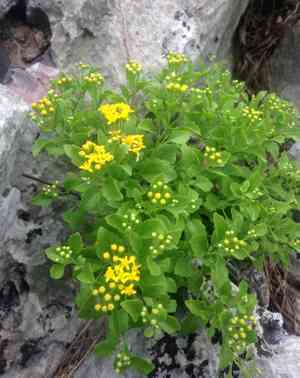
Lindheimer's rockdaisy flourishes when relocated from early spring to late spring, preferring abundant sunlight and soil that drains effectively. A protected spot enhances its settling, guaranteeing vigorous development for this hardy perennial.
Necessary Preparations Before Relocating Lindheimer's Rockdaisy?
Optimal Timing for Transplanting Lindheimer's Rockdaisy?
Lindheimer's rockdaisy, a perennial, is best moved from early to late spring. This period offers ideal soil temperature, moisture levels, and sunlight, aiding root establishment and growth. Transplanting then allows lindheimer's rockdaisy to develop a robust root system before summer heat, leading to healthier, stronger plants.
Recommended Spacing Between Lindheimer's Rockdaisy Plants?
When planning to move lindheimer's rockdaisy, position each plant approximately 12-15 inches (30-38 cm) apart. This spacing provides ample room for growth and sufficient airflow, which helps prevent disease and encourages vigorous development.
Ideal Soil Blend for Lindheimer's Rockdaisy Transplanting?
For lindheimer's rockdaisy, utilize well-draining soil with a slightly sandy or rocky consistency. Prepare the base with a balanced, all-purpose fertilizer to give the plants a strong start. Incorporate compost into the soil to enhance nutrient content and improve drainage.
Where to Replant Your Lindheimer's Rockdaisy?
Select a sunny location for transplanting lindheimer's rockdaisy, as it thrives best in full sun. Aim for an area that receives at least 6 hours of direct sunlight daily. This will encourage the plant to produce more vibrant flowers and robust growth.
Equipment Needed Before Transplanting Lindheimer's Rockdaisy?
Gardening Gloves
To safeguard your hands while handling soil and plants.
Trowel
For excavating holes and loosening soil around the plant.
Shovel
Useful for digging larger holes and moving more soil if the plant is substantial.
Watering Can
For hydrating the plant before and after relocation.
Pruning Shears
To trim any damaged plant parts during the transplanting process.
Garden Hose or Soaker Hose
For delivering consistent moisture post-transplant.
How to Extract Lindheimer's Rockdaisy from the Soil?
How to Extract Lindheimer's Rockdaisy from the Soil?
From Ground: First, moisten the soil around the lindheimer's rockdaisy plant. Then, use a shovel to dig a wide trench around the plant, ensuring the root ball remains intact. Carefully work the shovel beneath the root ball to lift the plant from its original spot.From Pot: Thoroughly water the lindheimer's rockdaisy plant. Turn the pot on its side and gently tap the bottom to loosen the root ball. Slide the plant out, supporting the main stem and taking care not to harm the roots.From Seedling Tray: Water the soil in the tray to ensure it's damp. Gently push up from the bottom of each cell to lift the seedlings, being careful to keep the root ball intact. If necessary, use a small trowel or your fingers to help free the seedlings.
Step-by-Step Guide for Relocating Lindheimer's Rockdaisy
Prepare the New Location
Dig a hole in the new spot that is twice as wide and equally deep as the root ball of your lindheimer's rockdaisy plant.
Remove the Plant
Employ the appropriate removal method to carefully extract the lindheimer's rockdaisy plant from its initial position.
Position the Plant in the New Hole
Place the lindheimer's rockdaisy plant in the hole at the same depth it was previously growing. Backfill the hole around the plant with soil, pressing down firmly to eliminate air pockets.
Water the Plant
Immediately water the plant thoroughly to help settle the soil and hydrate the roots.
Mulching
Apply a layer of mulch around the base of your lindheimer's rockdaisy plant to retain moisture and suppress weeds.
Post-Transplant Care for Lindheimer's Rockdaisy?
Watering
Keep the soil around the lindheimer's rockdaisy consistently moist, but not waterlogged, for the initial weeks after transplanting to aid in strong root establishment.
Monitoring
Regularly inspect the plant for signs of stress like wilting or yellowing leaves, and adjust watering as needed.
Protection
Depending on the weather, provide shade for the first few days to lessen transplant shock.
Pruning
Remove any dead or damaged leaves to allow the plant to direct its energy towards establishing itself in the new location.
Fertilizing
After a few weeks, you can begin light fertilization to provide nutrients as the plant resumes growth.
Addressing Common Issues with Lindheimer's Rockdaisy Transplantation.
When is the best time to transplant lindheimer's rockdaisy?
The optimal period to move lindheimer's rockdaisy is early to late spring for peak growth.
What spacing should lindheimer's rockdaisy have?
Lindheimer's rockdaisy requires 12-15 inches (30-38 cm) of space between each plant for healthy development.
How should I prepare the soil for lindheimer's rockdaisy?
Enrich the soil with compost and ensure good drainage to support successful lindheimer's rockdaisy transplants.
How do I remove lindheimer's rockdaisy from its original spot?
Gently dig around the base, preserving as much of the root ball as possible when relocating lindheimer's rockdaisy.
What if lindheimer's rockdaisy appears wilted after transplanting?
Ensure lindheimer's rockdaisy is adequately watered, but avoid over-saturation; some stress is normal post-transplant.
How deep should I plant lindheimer's rockdaisy after transplanting?
Plant lindheimer's rockdaisy at its previous growing depth to prevent stress and encourage rapid establishment.
What fertilizer is best for lindheimer's rockdaisy after transplanting?
Use a balanced, slow-release fertilizer to support lindheimer's rockdaisy's root development and overall health post-transplant.
How often should I water lindheimer's rockdaisy after transplanting?
Water lindheimer's rockdaisy consistently after transplanting. Keep the soil moist but not waterlogged.
What if the leaves of lindheimer's rockdaisy turn yellow?
Yellow leaves may signal over-watering or poor drainage; adjust watering practices and check soil drainage.
How do I protect lindheimer's rockdaisy from transplant shock?
Ensure proper soil preparation, sufficient watering, and avoid harsh weather during the transplant for lindheimer's rockdaisy.



