How to Prune Lindheimer's rockdaisy?
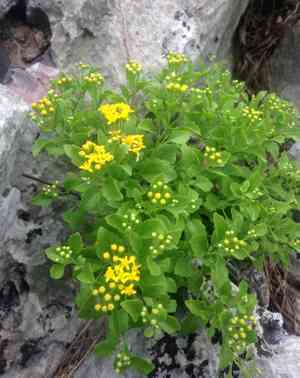
Lindheimer's rockdaisy, recognized for its unique rock-daisy look, flourishes with trimming performed from late winter through early spring. Essential methods involve excising deceased or compromised stalks, reducing dense foliage, and sculpting for preferred visual appeal. Undertaking pruning at this juncture corresponds with its developmental rhythm, fostering robust new shoots and more brilliant flowers. This schedule additionally averts potential ailments and insect problems. Consistent trimming improves air circulation, light access, and general hardiness, rendering lindheimer's rockdaisy both healthier and more attractive.
What Are the Benefits of Pruning Lindheimer's Rockdaisy?
What Are the Benefits of Pruning Lindheimer's Rockdaisy?
Lindheimer's rockdaisy thrives with pruning, promoting vigorous growth and maintaining its form. Pruning encourages healthy development, boosts flowering, manages size, enhances appearance, and aids in pest and disease resistance. Regular trimming ensures a strong, well-kept plant.
What Is the Best Time for Pruning Lindheimer's Rockdaisy?
What Is the Best Time for Pruning Lindheimer's Rockdaisy?
Trimming lindheimer's rockdaisy from late winter to early spring is optimal as it coincides with the plant's dormant period, minimizing stress and fostering strong new growth when the active season begins. Pruning during dormancy helps avoid disrupting its flowering and fruiting cycles, ensuring a healthy and abundant bloom. Additionally, this timing lowers the risk of disease and pest infestations, allowing pruning wounds ample time to heal before warmer, more active months.
What Tools Do I Need to Prune Lindheimer's Rockdaisy?
Sharp Bypass Pruners
Crucial for making clean, accurate cuts on lindheimer's rockdaisy without harming the stems.
Long-handled Loppers
Useful for reaching and cutting thicker, less accessible branches of lindheimer's rockdaisy. Provides necessary leverage for denser growth.
Hand Pruning Saw
Excellent for managing any woody stems in mature lindheimer's rockdaisy plants. Ensures smooth cuts on larger branches to prevent disease.
Fine-Tip Pruning Shears
Ideal for detailed work on lindheimer's rockdaisy, such as deadheading and trimming small growths. Offers precision for delicate pruning tasks.
How to Prune Lindheimer's Rockdaisy
Inspect
Thoroughly examine lindheimer's rockdaisy for any indications of diseased or withered leaves that require removal.
Sterilize
Before pruning, sanitize your pruning shears or scissors with a solution of one part bleach to ten parts water to prevent disease transmission.
Cut Cleanup
Carefully trim off any diseased leaves by cutting just below the infected area, ensuring all diseased tissue is removed to prevent further spread.
Remove Withered
Cut off withered leaves by tracing them back to their base and making a clean cut at their connection point to the main stem or branch.
Dispose
Properly dispose of all diseased and withered leaves by discarding them in the trash or composting them away from lindheimer's rockdaisy to prevent reinfection.
Common Pruning Mistakes with Lindheimer's Rockdaisy
Over-pruning
Removing too much foliage can weaken lindheimer's rockdaisy and reduce its flowering potential. Excessive pruning stresses the plant and can lead to dieback or increased susceptibility to pests and diseases.
Incorrect cuts
Making improper cuts, such as leaving stubs or cutting too close to the main stem, can damage lindheimer's rockdaisy. Incorrect cuts can impede the plant's healing and create entry points for pathogens.
Pruning at the wrong time
Even though the season information is excluded here, it's critical to understand that pruning during inappropriate times can disrupt lindheimer's rockdaisy's growth cycle and affect its flowering ability.
Ignoring dead or diseased wood
Failing to remove dead or diseased wood can spread diseases throughout lindheimer's rockdaisy and weaken the plant.
Common Pruning Tips for Lindheimer's Rockdaisy
Use clean, sharp tools
Always use clean, sharp pruning shears or scissors for precise cuts. Sterilize your tools before and after pruning to prevent disease spread.
Remove dead or diseased wood first
Begin by cutting away any dead or diseased branches. This will improve air circulation and reduce the risk of disease spread in lindheimer's rockdaisy.
Prune lightly and gradually
It's better to prune in small amounts over several sessions rather than all at once. This method helps prevent shock and ensures lindheimer's rockdaisy remains robust and healthy.
Shape and thin out the plant
Focus on shaping and thinning out lindheimer's rockdaisy by removing crossing branches and excess growth. This encourages better light penetration and air flow, promoting a healthier growing environment.
Cut just above a bud or leaf node
Make your cuts just above a bud or leaf node to encourage new growth. This technique helps direct the growth in a desirable direction and promotes dense, attractive foliage.



