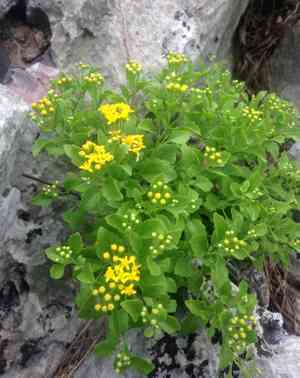
Lindheimer's rockdaisy (Perityle lindheimeri)
Also known as: None
Lindheimer's rockdaisy is a hardy perennial known for its abundant, daisy-like blooms. It features fuzzy, heart-shaped leaves and clusters of white to pale yellow flowers. This resilient plant thrives in rocky or sandy terrains, particularly on limestone ledges and in ravines. It flourishes in full sunlight, showcasing its adaptability to challenging environments.
In This Article
Attributes of Lindheimer's rockdaisy
Lifespan
Perennial
Plant Height
0 mm to 30 cm
Spread
Approximately 1 to 3 feet (0.3 to 0.9 meters)
Leaf Color
Green
Flower Size
About 0.5 inches (1.3 cm)
Flower Color
White petals with yellow centers
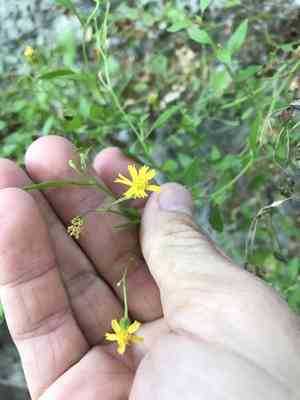
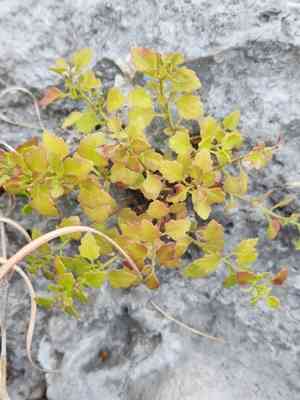
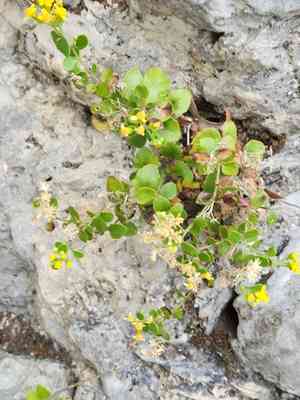
Images of Lindheimer's rockdaisy

Quickly Identify Lindheimer's rockdaisy
1
Perityle lindheimeri can be identified by its small, daisy-like flowers that have yellow centers and white petals. The plant has a bushy growth habit and often grows up to 2 feet tall.
Scientific Classification of Lindheimer's rockdaisy
Phylum
Vascular plants
Class
Dicotyledons
Order
Asterales
Family
Daisy
Genus
Rock daisies
Species
Lindheimer's rockdaisy
Planting and Growing of Lindheimer's rockdaisy
Care Difficulty
Moderate
Watering Schedule
Every 2 days
Sunlight Requirements
Full sun
Sunshine Duration
6-10 hours
Ideal Temperature
65-75℉
Soil Type
Potting Mix, Peat Mix
Soil pH
6.5-7.5
Fertilizer Type
Balanced
Pruning Season
Spring, Summer
Pruning Area
Branches, Leaves
Pruning Frequency
2 times a year
Repotting Season
Spring
Pot Type
Plastic, Ceramic
 How to Water Lindheimer's rockdaisy?
Water Perityle lindheimeri until the soil is thoroughly moist but not waterlogged. Check that water has reached the root zone, ensuring the soil drains well to prevent standing water.
What are the symptoms of an underwatered Lindheimer's rockdaisy?
›
What should I do if my Lindheimer's rockdaisy is not getting enough water?
›
What are the symptoms of an overwatered Lindheimer's rockdaisy?
›
How to save an overwatered Lindheimer's rockdaisy?
›
 What Are the Sunlight Requirements for Lindheimer's rockdaisy?
Perityle lindheimeri favors a lighting environment of full sun to partial sun. Ideal sunlight fosters photosynthesis, aiding the plant in healthy growth, vibrant greening, and bloom production.
How much sunlight does Perityle lindheimeri need?
›
What options are available for optimizing light conditions?
›
What are the benefits of optimal lighting for Perityle lindheimeri?
›
 What Is the Ideal Temperature Range for Lindheimer's rockdaisy?
For healthy growth, Perityle lindheimeri thrives best in temperatures ranging from 65 to 75°F. This range ensures optimal photosynthetic activity, vital nutrient synthesis, and a balanced rate of transpiration, which collectively promotes robust development.
 What Soil is Best for Lindheimer's rockdaisy?
Perityle lindheimeri thrives in well-drained soil. This requirement helps to prevent root rot by allowing excess water to flow away from the plant's roots, ensuring a robust and healthy growth environment. A soil rich in essential nutrients supports the vigorous growth of Perityle lindheimeri. The presence of organic matter and minerals enhances the plant's vegetative and reproductive cycles, leading to a more vibrant and lush display. The soil should facilitate good aeration to encourage root respiration. Adequately aerated soil aids in root development and improves the overall efficiency of nutrient uptake, promoting a more resilient plant.
 How to Fertilize Lindheimer's rockdaisy?
For Perityle lindheimeri, the right amount of fertilizer is crucial. Use a diluted water-soluble fertilizer at quarter strength for liquid applications. Ensure the concentration is around 1/4 of standard flowering plant fertilizers to prevent root burn.
 How to Prune Lindheimer's rockdaisy?
Identify what you want to achieve with pruning—whether it's shaping the plant, removing dead or diseased branches, or encouraging more robust growth. This clarity will guide your hand and ensure that each cut serves a purpose in improving the plant's health and aesthetics. For Perityle lindheimeri, a pair of sharp garden scissors or pruning shears is ideal. Ensure they are suited for small, precise cuts, as this plant has relatively delicate stems. The right tool will make clean cuts that minimize stress on the plant. When pruning, cut above a node (a point where the leaves connect to the stem) to promote new growth from that point. Angled cuts are preferable as they help water runoff, reducing the risk of rot. Remove dead or yellowing leaves and stems to prevent diseases and maintain a neat appearance. After pruning, closely observe the plant's response. Healthy plants will show signs of new growth within a few weeks. If the plant shows no new growth or signs of distress, such as wilting or discoloration, reassess the pruning to find possible causes of stress.
More About Pruning Techniques→
 How to Propagate Lindheimer's rockdaisy plant?
1
Begin by selecting healthy, mature seeds from Perityle lindheimeri. Soak seeds in lukewarm water overnight to enhance germination rates. Ensure the seeds are thoroughly dry before planting.
2
Use a well-draining potting mix enriched with organic matter. Ensure the soil is moist but not waterlogged before sowing seeds or placing cuttings.
3
For seed propagation, sow seeds about 1/4 inch deep in the prepared soil. For cuttings, insert cuttings at a slight angle to ensure stability and promote root growth.
 How to Repot Lindheimer's rockdaisy plant?
1
Repot Perityle lindheimeri when the roots begin to outgrow the current pot, usually in spring or summer. Look for signs like roots poking out of drainage holes or slowed growth. Repotting during the active growing season allows the plant to settle into its new pot more efficiently.
2
Select a pot that's one size larger with ample drainage holes. This prevents waterlogging and promotes healthy root growth. A lightweight pot is easy to handle, especially when moving the plant for optimal light exposure. Ensure it's made of breathable material like terracotta to enhance aeration and prevent root rot.
3
Opt for a well-draining cactus mix or create a mix with 70% soil and 30% organic matter like pumice. This provides excellent drainage, preventing water accumulation, which is crucial for the plant's health. The right soil ensures robust root development and reduces the risk of fungal infections.
Learn More About Lindheimer's rockdaisy Diseases
Anthracnose
Bacterial Leaf Spot
Bacterial Soft Rot
Bacterial Wilt
Black Spot
Chemical Injury
Crown Gall
Cyst Nematode
Damping-off
Downy Mildew
Drought Stress
Fusarium Wilt
Gray Mold
Leaf Curl
Leaf Spot
Mosaic
Nutrient Deficiency
Nutrient Toxicity
Powdery Mildew
Root Rot
Root-knot Nematode
Rusts
Sooty Mold
Spider Mites
Temperature Stress
Thrips Damage
White Mold



