How to Transplant Acorn Peperomia?
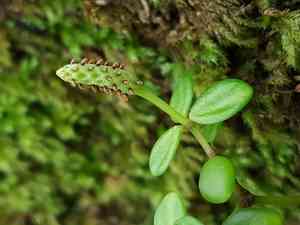
The ideal period for transplanting acorn Peperomia is mid-spring, utilizing consistent temperatures to foster vigorous development. Select spots with ample, diffused illumination, and careful manipulation is crucial to prevent harm to the root system.
What Preparations are Needed Before Transplanting Acorn Peperomia?
What is the Ideal Time for Transplanting Acorn Peperomia?
Early to mid-spring offers an optimal window for relocating acorn Peperomia, as the soil warms, stimulating root development. Moving acorn Peperomia during this period encourages vigorous growth before the intense summer heat arrives. This also allows acorn Peperomia to establish a robust root system, ensuring higher survival rates and improved overall health, particularly vital for an Annual plant like acorn Peperomia. A helpful hint: careful handling and appropriate post-transplant watering during this season will help your acorn Peperomia flourish!
How Much Space Should You Leave Between Acorn Peperomia Plants?
When relocating your acorn Peperomia, ensure proper spacing. Ideally, aim for approximately 1-2 feet (30-60 cm) between each plant. This provides ample room for growth without competition for nutrients or space.
What is the Best Soil Mix for Acorn Peperomia Transplanting?
Your acorn Peperomia thrives in well-drained soil. You can achieve this by blending garden soil with some sand or perlite. Starting with a base fertilizer rich in organic matter will supply your plants with the necessary nutrients for vigorous growth.
Where Should You Relocate Your Acorn Peperomia?
Your acorn Peperomia would benefit from a spot with indirect sunlight or partial shade. Avoid direct, harsh light, as it can scorch the leaves. Indoors, a north or east-facing window would be perfect. Outdoors, they do well beneath the canopy of larger plants.
What Equipments Should You Prepare Before Transplantation Acorn Peperomia?
Gardening Gloves
These are essential for protecting your hands while working with soil and the acorn Peperomia plant.
A Shovel or Spade
This sturdy tool assists in removing the acorn Peperomia plant from its original spot without harming its roots.
A Planting Pot (For seedlings or young plants)
This serves as a temporary home for the acorn Peperomia plant while you prepare the permanent planting site.
A Garden Trowel
This smaller implement is perfect for excavating holes in the ground where the acorn Peperomia plant will be placed.
A Watering Can
To keep the acorn Peperomia plant hydrated before, during, and after the relocation process.
Organic Compost
It's advantageous to enrich the soil's nutrient content before transplanting the acorn Peperomia plant.
How Do You Remove Acorn Peperomia from the Soil?
How Do You Remove Acorn Peperomia from the Soil?
From Ground: First, hydrate the acorn Peperomia plant to moisten the soil. Next, dig a wide trench around the plant using a shovel or spade, ensuring the plant's root ball remains intact. Carefully work the spade beneath the root ball to lift the acorn Peperomia plant from its initial location.From Pot: Water the pot sufficiently until the soil is damp. Invert the pot and gently tap to ease the acorn Peperomia plant out, making sure to support the base of the stems as you do this. Avoid pulling the plant by its stems to prevent damage.From Seedling Tray: Water the tray and allow it to soak for an hour. Hold the base of the acorn Peperomia plant's stem and carefully lift it out. Ensure not to damage the root ball during this process.
Step-by-Step Guide for Transplanting Acorn Peperomia
Preparation
Before relocating, thoroughly water the acorn Peperomia plant. This aids in easy extraction and minimizes transplantation shock.
Digging
Using the garden trowel, excavate a hole in your chosen spot. The hole should be twice as wide and the same depth as the root ball.
Planting
Carefully place the acorn Peperomia plant in the hole. The top of the root ball should be level with the soil surface. Backfill the hole, gently firming the soil as you refill.
Watering
Once the relocation is complete, generously water the acorn Peperomia plant to ensure good contact between the root ball and the surrounding soil.
How Do You Care For Acorn Peperomia After Transplanting?
Watering
Keep the acorn Peperomia plant adequately watered after transplanting, but avoid overwatering. The soil should be moist, not saturated.
Pruning
Encourage a bushier habit by occasionally pinching off the tips of the acorn Peperomia plant.
Monitoring
Watch for any indications of transplant shock, such as wilting or drooping leaves, and discoloration.
Re-Positioning
If the acorn Peperomia appears to be struggling, consider moving it to a new spot. Despite prior planning, it might not thrive in its current location.
Troubleshooting Common Issues with Acorn Peperomia Transplantation.
When is the best time of year to transplant acorn Peperomia?
The optimal seasons for relocating acorn Peperomia are between the second and third periods of the year (S2-S3).
What is the ideal spacing between acorn Peperomia while transplanting?
Approximately 1-2 feet (0.3-0.6 meters) apart is the perfect spacing when moving acorn Peperomia.
How deep should I plant acorn Peperomia during transplantation?
Ensure you embed the roots of acorn Peperomia about two inches (5 cm) deep in the soil.
Should I water acorn Peperomia immediately after transplanting?
Yes, you should. Providing acorn Peperomia with a thorough watering post-transplant is crucial to help the soil settle.
Can I use any soil for transplanting acorn Peperomia?
No, utilize rich, well-draining soil for acorn Peperomia. It prefers sandy or loamy soil types.
What if the leaves of acorn Peperomia turn yellow after transplantation?
Acorn Peperomia leaves yellowing after transplanting may signal overwatering. Adjust irrigation to correct this.
Why are the leaves of acorn Peperomia dropping after transplanting?
Excessive leaf shedding in acorn Peperomia might be due to relocation stress, insufficient watering, or cold temperatures.
How can I ensure the roots of acorn Peperomia don't get damaged while transplanting?
Be gentle during the process and try to keep the rootball intact to minimize root disturbance for acorn Peperomia.
How to tackle root rot in acorn Peperomia after transplantation?
If acorn Peperomia is suffering from root rot, trim the affected roots, repot the plant in fresh soil, and modify the watering schedule.
Do I need to feed acorn Peperomia with fertilizer after transplantation?
Yes, provide acorn Peperomia with a slow-release fertilizer after transplantation to encourage healthy growth.



