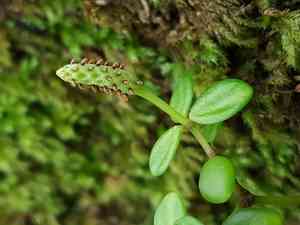
Acorn Peperomia (Peperomia tetraphylla)
Also known as: Four-Leafed Pepper Plant
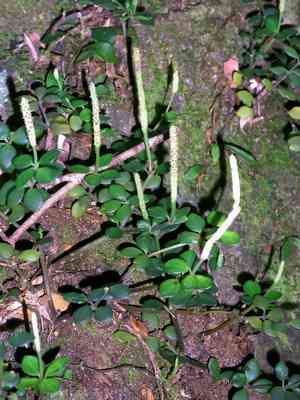
The Acorn Peperomia (Peperomia tetraphylla) is a perennial plant often found in tropical rainforests, where it typically grows on rocks and other surfaces as an epiphyte. It features glossy green leaves, sometimes with dark green markings. The plant produces small flowers on spikes, blooming throughout the year.
In This Article
Attributes of Acorn Peperomia
Lifespan
Annual
Plant Type
Herb
Plant Height
10 cm to 30 cm
Spread
60 cm
Leaf Color
Green
Flower Size
1 mm
Flower Color
Yellow Green
Images of Acorn Peperomia
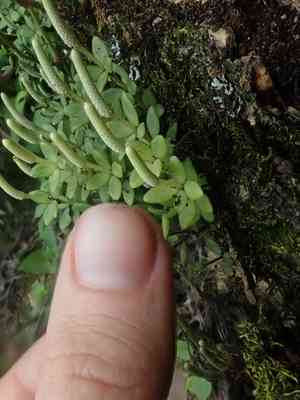
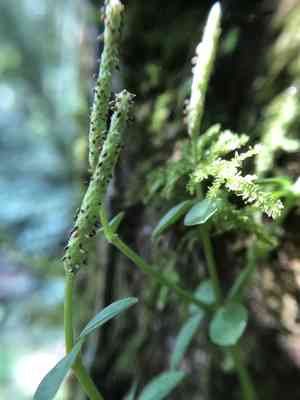
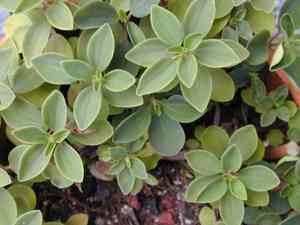
Quickly Identify Acorn Peperomia
1
Identify Peperomia tetraphylla by its characteristic four-leaved arrangement at each node, fleshy green leaves, and trailing or upright stems. It can also produce small, inconspicuous flower spikes.
Scientific Classification of Acorn Peperomia
Phylum
Vascular plants
Class
Dicotyledons
Order
Pepper plants, birthworts, and allies
Family
Pepper
Genus
Radiator plants
Species
Acorn Peperomia
Planting and Growing of Acorn Peperomia
Care Difficulty
Easy
Watering Schedule
Every 2 days
Sunlight Requirements
Partial sun
Sunshine Duration
4-8 hours
Ideal Temperature
65-75℉
Soil Type
Potting Mix, Peat Mix
Soil pH
6.5-7.5
Fertilizer Type
Balanced
Pruning Season
Spring, Summer
Pruning Area
Branches, Leaves
Pruning Frequency
2 times a year
Repotting Season
Spring
Pot Type
Ceramic, Plastic
 How to Water Acorn Peperomia?
Peperomia tetraphylla prefers to have its soil evenly moist. The general principle is to water until moist without soaking the plant in excess water, ensuring the water drains out completely and does not sit in a saucer.
What are the symptoms of an underwatered Acorn Peperomia?
›
What should I do if my Acorn Peperomia is not getting enough water?
›
What are the symptoms of an overwatered Acorn Peperomia?
›
How to save an overwatered Acorn Peperomia?
›
 What Are the Sunlight Requirements for Acorn Peperomia?
Peperomia tetraphylla thrives in partial sun and full shade environments where it receives gentle, indirect light for optimal growth and aesthetic.
More About Sunlight Requirements Techniques→
What is the ideal light intensity for Peperomia tetraphylla?
›
What should I do if the light is too intense?
›
How does Peperomia tetraphylla benefit from ideal lighting?
›
 What Is the Ideal Temperature Range for Acorn Peperomia?
Peperomia tetraphylla thrives in a specific temperature range that mimics its natural tropical habitat. Maintaining a steady temperature between 65°F to 75°F is crucial for optimal growth and health of the plant. Temperatures within this range ensure the plant can efficiently carry out photosynthesis and other vital physiological processes without undue stress.
 What Soil is Best for Acorn Peperomia?
Peperomia tetraphylla thrives in soil that offers excellent drainage. It helps prevent waterlogging, which can lead to root rot, ensuring that the roots remain healthy and well-aerated. A soil mix rich in organic matter is crucial for providing the plant with essential nutrients. This organic richness supports robust growth and vibrant foliage, offering everything the plant needs naturally. The soil should retain adequate moisture without becoming soggy. This balance ensures the plant stays hydrated, promoting healthy growth without risking the issues associated with overwatering.
 How to Fertilize Acorn Peperomia?
For Peperomia tetraphylla, use a diluted liquid fertilizer at half strength. This plant benefits from a balanced fertilizer, but make sure not to over-fertilize. When using slow-release pellets, sprinkle a small amount on the soil surface, ensuring you do not cover more than 10% of the soil surface area.
 How to Prune Acorn Peperomia?
Begin by identifying stems that are overgrown, leggy, or have damaged leaves. Look for any discolored or wilting foliage as candidates for removal, as these are signs the plant is directing unnecessary energy toward these parts. Use sterilized scissors or pruning shears to make clean cuts just above a leaf node. This encourages new growth from below the cut and prevents unsightly bare stubs. Aim for a natural shape by cutting stems at various lengths, ensuring the overall plant maintains a balanced appearance. After pruning, reduce watering slightly to prevent stressing the plant while it adjusts to its recent trim. Ensure the Peperomia is in adequate indirect light to aid in its recovery. Nutrient support through a balanced, diluted fertilizer can also promote faster regrowth.
More About Pruning Techniques→
 How to Propagate Acorn Peperomia plant?
1
Choose a healthy parent plant with no signs of disease. Ensure it has vibrant leaves and multiple stems suitable for cutting. A robust plant increases the chances of successful propagation.
2
Use sharp, sterilized pruning shears to take cuttings above a leaf node, ensuring each cutting is about 4-6 inches long. Remove the lower leaves to avoid contact with the soil, reducing the risk of rot.
3
Insert the cuttings into the sterile potting medium, ensuring the nodes from where leaves were removed are buried. Firm the medium gently around each cutting to support them upright.
 How to Repot Acorn Peperomia plant?
1
Peperomia tetraphylla typically needs repotting when it shows signs of being root-bound, such as roots emerging from the drainage holes or appearing at the soil surface. Another indication is the plant's growth becoming sluggish despite regular care. The best time to carry out this is during its active growing seasons, spring or summer. These periods allow the plant to recover more swiftly from repotting stress.
2
Select a pot that is only slightly larger than the current one, ideally 1-2 inches in diameter wider. It should have good drainage holes to prevent water from pooling at the base, as this could lead to root rot. A terracotta or ceramic pot can be beneficial due to their breathable nature, allowing moisture to evaporate, and offering stability for the plant.
3
Opt for a well-draining potting mix, preferably one tailored for orchids or cacti, as they provide the appropriate drainage and aeration attributes. This mix ensures that excess water flows away easily, reducing the risk of over-watering, which Peperomia is particularly sensitive to. Incorporating materials like perlite or pumice can enhance drainage.



