Enhancing Your Garden Design with the Acorn Peperomia Plant: A Landscaping Guide
1
Acorn Peperomia is a adaptable plant that fits well into diverse landscape aesthetics.
2
Appropriate illumination and substrate are crucial for Acorn Peperomia's best development.
3
Acorn Peperomia readily complements minimalist, classic, and creative garden themes.
Appreciating the Visual Charm of Acorn Peperomia
Inherent growth habits and aesthetic traits
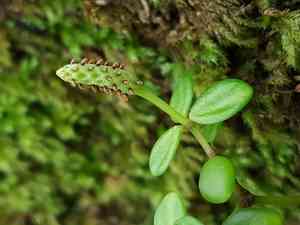
The inherent growth habit of Acorn Peperomia is dense and full, making it a superb option for gardeners aiming to introduce texture and volume to their outdoor space. Its visually pleasing, rounded foliage imparts a refined feel, allowing it to integrate well with diverse garden designs. The plant's form and dimensions enable it to fit easily into confined areas or function as an appealing foreground specimen.
Color scheme compatibility with Acorn Peperomia
Acorn Peperomia showcases vivid green leaves that can complement nearly any color palette in your garden. Its foliage frequently displays a natural luster, adding a touch of brilliance to your outdoor area. Whether you're pairing it with deep purples, bright yellows, or subdued hues, Acorn Peperomia adapts effectively, ensuring balance and visual appeal in any garden setting.
Seasonal shifts in appearance
While Acorn Peperomia retains its vibrant green look throughout the year, you might observe subtle alterations as the seasons change. In spring and summer, its growth rate increases, and the leaves appear most vivid. During colder months, the plant's development slows, but its foliage remains attractive and evergreen. Understanding these variations can assist you in planning how and where to incorporate Acorn Peperomia into your seasonal garden layout.
Selecting the Ideal Spot for Acorn Peperomia in Your Garden
Illumination considerations for optimal development
Acorn Peperomia flourishes in moderate to bright, indirect sunlight. While it can endure lower light conditions, peak growth occurs in well-lit areas shielded from direct sun, which can scorch its leaves. Positioning Acorn Peperomia where it receives filtered light or under partial shade is perfect for its health and vigor.
Soil type preferences
To ensure Acorn Peperomia thrives, choose a well-draining, nutrient-rich organic soil. It favors slightly acidic to neutral pH levels. Enriching your soil with compost or peat can significantly enhance its structure and nutrient content, fostering robust root development and vigorous growth.
Spacing requirements for healthy development
Acorn Peperomia requires ample space to grow without competition. Planting them approximately 10-12 inches apart allows for adequate air circulation and room for their roots to expand. This spacing not only supports healthy growth but also helps prevent common plant diseases caused by overcrowding.
Integrating Acorn Peperomia into Various Landscape Styles
Contemporary and minimalist designs
In modern and minimalist gardens, Acorn Peperomia fits perfectly due to its clean lines and structured form. Its simplicity and elegance can be utilized to create a tranquil environment. Position Acorn Peperomia along pathway edges or in sleek, contemporary containers to emphasize a minimalist aesthetic.
Traditional and naturalistic environments
For traditional and naturalistic garden styles, Acorn Peperomia adds a touch of lush greenery that blends seamlessly with other plants. It complements rustic elements such as stone paths or wooden benches. Using Acorn Peperomia in clusters around larger plants or as a ground cover can enhance the natural feel of the garden.
Eclectic and artistic garden themes
Acorn Peperomia is also suitable for eclectic and artistic landscapes where creativity is paramount. Its distinctive leaf shape and subtle sheen make it a versatile choice for imaginative garden designs. Combine it with bold, colorful flowers, or pair it with sculptures and artistic installations for a striking display.
Companion Planting with Acorn Peperomia
Beneficial neighboring plants for Acorn Peperomia
Companion planting boosts the growth and health of Acorn Peperomia. Ideal neighbors include plants with similar light and soil needs, such as ferns or other shade-tolerant species. These companions offer complementary textures and colors, creating a balanced and visually appealing garden.
Plants to avoid near Acorn Peperomia
Refrain from planting Acorn Peperomia near aggressive growers that might overshadow or compete for nutrients. Plants like bamboo or certain fast-spreading grasses can hinder Acorn Peperomia's development. Also, avoid plants requiring significantly different care conditions, as this could complicate your garden's management.
Synergies in pest management and growth
Acorn Peperomia can benefit from companion plants that assist in pest control, such as marigolds or basil, which deter common garden pests. Additionally, companion plants that attract beneficial insects like ladybugs can help keep harmful pests at bay. This synergistic relationship can improve overall garden health and lessen the need for chemical interventions.
Maintenance Advice for Acorn Peperomia in Landscapes
Routine upkeep tasks
Maintaining Acorn Peperomia involves regular care such as watering, trimming, and fertilizing. Ensure the soil remains consistently moist but not waterlogged, as Acorn Peperomia dislikes standing water. Periodically check for and remove dead or yellowing leaves to keep the plant looking its best.
Seasonal care adjustments
Adapt your care routines with the changing seasons. During the active growing period in spring and summer, Acorn Peperomia may require more frequent watering and occasional feeding with a balanced fertilizer. In fall and winter, reduce watering to prevent over-saturation as the plant's growth slows down.
Managing growth and spread
To manage the growth and spread of Acorn Peperomia, occasional pruning is advisable. Trim back any overgrown or leggy sections to encourage bushier growth. If the plant becomes too large for its space, it can be divided and replanted, providing new plants while maintaining the desired shape and size.



