How to Prune Acorn Peperomia?
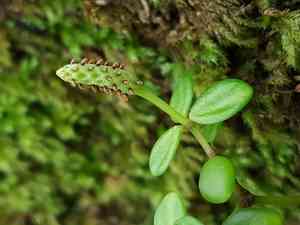
This low-maintenance succulent displays spatulate foliage and a cascading growth pattern. For acorn Peperomia, trim elongated stems to foster a more compact shape, utilizing sharp, sanitized shears. Nip off the terminal buds, particularly from spring through autumn, to encourage a fuller structure. Detach yellowed or compromised leaves from the base to preserve vitality. Trimming aids in shaping, revitalizing development, and managing dimensions. Always retain multiple nodes on a stem to guarantee robust re-sprouting.
Advantages of Trimming Acorn Peperomia
Advantages of Trimming Acorn Peperomia
Trimming acorn Peperomia promotes robust development and helps maintain its compact, appealing form. Consistent cutting can prevent elongation, fostering a fuller, healthier specimen.
Optimal Time for Pruning Acorn Peperomia
Optimal Time for Pruning Acorn Peperomia
Pruning is best performed in spring as acorn Peperomia emerges from winter dormancy and prepares for active growth, allowing rapid healing and redirection of energy into new development. Early summer pruning aligns with ongoing growth, helping to maintain shape or manage size before energy shifts to sustaining foliage and potential blooms. Fall pruning, after the active growing season but prior to dormancy, can remove dead or damaged foliage without stressing the plant. Avoid pruning in late summer and winter to prevent harm during flowering or resting periods.
Necessary Tools for Pruning Acorn Peperomia
Precision Pruning Snips
Small and sharp, precision pruning snips or micro-tip snips are perfect for acorn Peperomia's delicate stems and leaf attachment points. They enable precise, clean cuts without harming the plant.
Sterilized Scissors
A pair of small, disinfected scissors can be utilized for trimming dead or yellowed leaves on acorn Peperomia. Sterilization prevents the transmission of disease during pruning.
Soft-Grip Shears
For a comfortable pruning experience, especially when tending to multiple acorn Peperomia plants, soft-grip shears offer an ergonomic handle to reduce hand fatigue. They are suitable for shaping and controlling the plant's overall dimensions.
Gloves
Wearing gloves will safeguard the gardener's hands from potential allergies or skin irritations and provide a better grip on tools when pruning acorn Peperomia.
Disinfectant
Using a disinfectant, such as rubbing alcohol or a 10% bleach solution, is essential for cleaning tools before and after use on acorn Peperomia to prevent disease spread.
How to Prune Acorn Peperomia
Clean Tools
Before pruning acorn Peperomia, sanitize your pruning instruments to prevent disease transmission. Use rubbing alcohol or a 10% bleach solution to thoroughly clean the cutting edges.
Inspect
Examine acorn Peperomia for dead leaves and damaged stems. Note any areas requiring trimming, ensuring correct identification without compromising healthy growth.
Remove Dead Leaves
Using your sterilized tools, carefully trim away dead leaves at their base where they connect to the stem. Make clean cuts without pulling to avoid damaging acorn Peperomia's fragile stems.
Trim Damaged Stems
Prune damaged stems by cutting above a leaf node or a healthy section of the stem. Ensure the cut is angled to allow water runoff and prevent rot.
Cleanup
After pruning acorn Peperomia, dispose of the removed plant material and clear away any debris to maintain hygiene and deter pests.
Common Pruning Errors with Acorn Peperomia
Excessive Pruning
Removing too much foliage at once can shock acorn Peperomia, leading to stunted growth or even plant demise. Ensure no more than one-third of the plant is pruned at any given time.
Incorrect Cut Placement
Cutting too far from a node or into the woody base can hinder regrowth. Always cut just above a leaf node, where new growth will emerge.
Dull Tools
Using blunt pruners can crush stems and leaves instead of making clean cuts, increasing disease risk. Always use sharp, clean pruners.
Neglecting Health Check
Failing to inspect acorn Peperomia for pests and diseases before pruning can lead to inadvertent spreading of issues. A thorough check helps guide the pruning process to remove affected areas.
Ignoring Plant Shape
Randomly cutting without considering the natural form and growth habit of acorn Peperomia can result in an unbalanced appearance. Prune with the plant's structure in mind.
Disregarding Leaf Growth
Not recognizing the leaf growth pattern can lead to unnecessary removal of growing tips. Cut back to just above the lower leaves to shape the plant without inhibiting its development.
General Pruning Advice for Acorn Peperomia
Sanitize Tools
Before and after pruning acorn Peperomia, sterilize your pruning tools to prevent the spread of diseases.
Selective Pruning
Focus on removing only dead or yellowing leaves, as well as any overly long stems that detract from the plant's balanced appearance.
Encourage Bushiness
Trimming the tips of acorn Peperomia helps promote a bushier plant structure. Make sure to prune just above a set of leaves or a branching point.
Post Flowering Trim
After flowering, trim back acorn Peperomia to encourage a new flush of growth and potentially more blooms.
Light Pruning
Acorn Peperomia generally requires only light pruning. Regularly removing just a few leaves can keep it looking tidy.



