How to Transplant Whipple's penstemon?
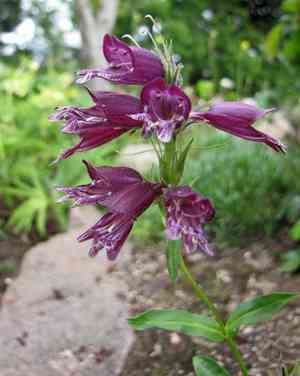
For effective relocation of whipple's penstemon, the ideal window is from early to mid-spring's onset. These seasons provide a mild environment conducive to root development in adequately drained areas receiving abundant sunshine. A helpful suggestion: Verify the soil remains moderately damp after transplanting to foster development.
Essential Preparations Before Moving Whipple's Penstemon?
Optimal Timing for Relocating Whipple's Penstemon?
The best time to move whipple's penstemon is during early to mid-spring. This period, when the ground softens and nature revives, offers ideal conditions for root development before summer heat. Transplanting whipple's penstemon at this time promotes robust growth, as cooler temperatures and moist soil create a supportive environment. By selecting this window, you ensure whipple's penstemon has the gentle transition needed to thrive in its new spot.
Recommended Spacing Between Whipple's Penstemon Plants?
For whipple's penstemon, adequate spacing between each plant is vital for healthy development. Ideally, position plants approximately 1-2 feet (30-60 cm) apart. This provides ample room for growth and nutrient absorption.
Best Soil Composition for Whipple's Penstemon Transplanting?
Whipple's penstemon prefers well-draining soil with a balanced mix of sand, silt, and clay. Prior to planting, enrich the soil with a slow-release granular fertilizer to encourage strong root growth.
Where to Replant Your Whipple's Penstemon?
When selecting a site, remember whipple's penstemon thrives in sunlight. Choose a location that receives full sun to light shade exposure. Receiving at least six hours of sunlight daily will significantly accelerate its growth rate.
Tools Required Before Transplanting Whipple's Penstemon?
Gardening Gloves
These are crucial for protecting your hands from dirt and preventing accidental injury while handling the plant and its root system.
Shovel or Spade
Necessary for excavating holes in the ground for transplanting. Useful for both removal and replanting.
Wheelbarrow or Garden Cart
For easy transport of the plant from its original location to the new one.
Loam or Compost
Use this to enrich the new planting site. Ensures good nutrients and proper aeration.
Watering Can
Essential for providing necessary hydration to the plant during and after transplantation.
Mulch
Helps in retaining soil moisture and regulating temperature after transplantation.
How to Extract Whipple's Penstemon from the Soil?
How to Extract Whipple's Penstemon from the Soil?
From Ground: When removing whipple's penstemon from the ground, water the plant thoroughly the day before. This will moisten and soften the soil, making digging easier. Use a spade or shovel to dig a circle around the plant, at least 6 inches from its main stem, to avoid damaging the root system. Then, carefully dig underneath, ensuring the root ball remains intact, and lift the plant out of the ground.From Pot: If whipple's penstemon is in a pot, it's simpler. Turn the pot sideways and gently tap it to loosen the soil and root ball. Slowly slide the plant out with the root ball intact.From Seedling Tray: For seedling trays, water the seedlings first and allow excess water to drain. Remove individual whipple's penstemon seedlings by gently pinching their base between your fingers and encouraging them upward.
Step-by-Step Guide for Relocating Whipple's Penstemon
Preparation
Clear any debris such as stones, twigs, and leaves from the chosen transplant site and dig a hole twice the size of whipple's penstemon's root ball. The hole should be deep enough to fully cover the roots.
Amendment
Mix some compost or loam with the soil removed from the hole. This will enrich the soil and provide whipple's penstemon with a more nourishing environment to establish itself.
Transplanting
Place whipple's penstemon into the hole. Ensure the plant is at the correct depth, similar to its original growing position. Backfill the hole with the amended soil, making sure the roots are completely covered.
Watering
Water whipple's penstemon generously after transplanting. Watering will settle the soil around the roots and aid the plant in recovering from transplant shock.
Post-Transplant Care for Whipple's Penstemon?
Watering
After transplanting, whipple's penstemon will require ample watering. It's crucial to keep the soil consistently moist for the initial few weeks to help the plant adapt to its new location and develop strong roots without becoming waterlogged.
Mulching
It is beneficial to apply a layer of organic mulch around the base of whipple's penstemon, being careful to avoid the stem. Mulch can suppress weed growth, help retain soil moisture, and moderate soil temperatures.
Pruning
Lightly prune whipple's penstemon if it appears stressed after the transplant. Removing part of the plant above ground reduces the water demand on its roots. It is best to prune just before or immediately after transplanting.
Addressing Common Issues with Whipple's Penstemon Transplantation.
When is the optimal time to move whipple's penstemon?
The best time to reposition whipple's penstemon is between growing seasons S1 and S2. This period allows the plant to establish roots in its new spot before active growth commences.
What is the ideal spacing to maintain between each whipple's penstemon during transplanting?
Aim to space whipple's penstemon plants approximately 1-2 feet or 30-60 cm apart. This ensures each plant has sufficient room to grow and thrive without competing for resources.
Why is my relocated whipple's penstemon wilting after the move?
Whipple's penstemon may experience shock during transplanting. Ensure you are watering the plant thoroughly immediately and regularly after the move. It should recover within a week.
What kind of soil does whipple's penstemon prefer when transplanting?
Whipple's penstemon tends to flourish in well-draining soil. If the garden soil is too dense or heavy, you might mix in some compost or organic matter before transplanting.
Is it necessary to prune whipple's penstemon before transplanting?
While not strictly required, pruning whipple's penstemon before transplanting can reduce shock. Simply trim back any unruly, diseased, or dead branches.
How deep should I plant whipple's penstemon after transplanting?
Aim to plant whipple's penstemon at the same depth it was in its previous location. Planting too deep can cause rot, and too shallow can expose roots.
How soon should I water whipple's penstemon after transplanting?
Water whipple's penstemon immediately after transplanting. This helps to settle the soil around the roots, providing immediate relief from any transplant shock.
How to manage whipple's penstemon aftercare post-transplanting?
Ensure whipple's penstemon is watered consistently, fertilized, and pruned as needed. Also, protect it from harsh weather conditions initially until it establishes well in its new location.
Should I use a container or plant whipple's penstemon directly in the ground when transplanting?
Both methods work well for whipple's penstemon. Just ensure that if you're using a container, it's large enough to accommodate its mature size and has adequate drainage holes.
Why are the leaves of my transplanted whipple's penstemon turning yellow?
This could be due to overwatering, poor drainage, or a nutrient deficiency. Check the soil moisture and adjust watering accordingly. If the problem persists, consider adding a balanced fertilizer.



