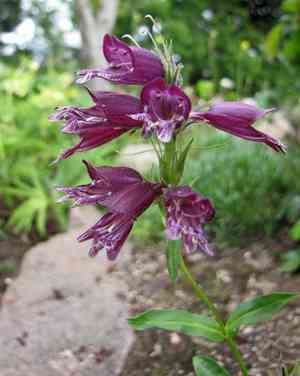
Whipple's penstemon (Penstemon whippleanus)
Also known as: Dusky beardtongue
Bee Balm (Monarda didyma) is a popular ornamental plant known for its vivid burgundy flowers. Commonly found in informal gardens, city landscapes, and border plantings, this mat-forming plant is especially valued in wildlife gardens for its ability to attract bees, butterflies, and other pollinators.
In This Article
Attributes of Whipple's penstemon
Lifespan
Perennial
Plant Type
Herb, Shrub
Plant Height
90 cm
Spread
40 cm
Leaf Color
Green Blue
Flower Size
2.5 cm
Flower Color
Purple
Images of Whipple's penstemon
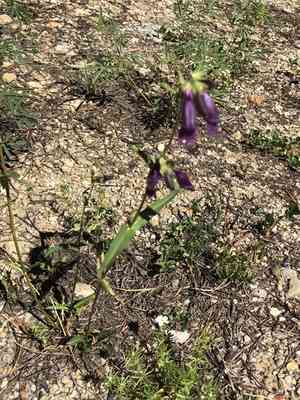
Quickly Identify Whipple's penstemon
1
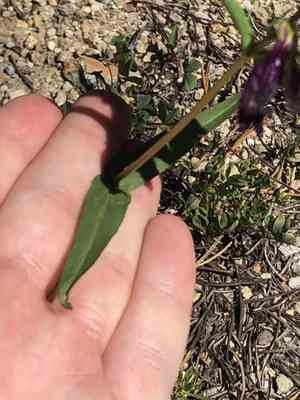
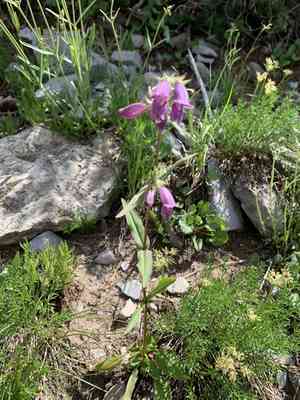
To identify Penstemon whippleanus, look for a perennial herb with upright stems. The leaves are lance-shaped and the flowers are tubular, typically dark purple to nearly black. The throat of the flower is often hairy, which is a common characteristic of the Penstemon genus.
Scientific Classification of Whipple's penstemon
Phylum
Vascular plants
Class
Dicotyledons
Order
Lamiales
Family
Plantain
Genus
Penstemon
Species
Whipple's penstemon
Planting and Growing of Whipple's penstemon
Care Difficulty
Easy
Watering Schedule
Every 2 days
Sunlight Requirements
Partial sun
Sunshine Duration
6-8 hours
Ideal Temperature
60-75℉
Soil Type
Potting Mix, Peat Mix
Soil pH
6.5-7.5
Fertilizer Type
Balanced
Pruning Season
Spring, Summer
Pruning Area
Branches, Leaves
Pruning Frequency
2 times a year
Repotting Season
Spring
Pot Type
Plastic, Ceramic
 How to Water Whipple's penstemon?
Penstemon whippleanus prefers a moderate watering approach. Water deeply, ensuring the soil is moist but not soggy. Let the first couple of inches of soil dry out completely before watering again. This approach mimics its natural habitat, where rainfall can be infrequent but substantial.
What are the symptoms of an underwatered Whipple's penstemon?
›
What should I do if my Whipple's penstemon is not getting enough water?
›
What are the symptoms of an overwatered Whipple's penstemon?
›
How to save an overwatered Whipple's penstemon?
›
 What Are the Sunlight Requirements for Whipple's penstemon?
Penstemon whippleanus thrives in partial to full sun environments, making it well-suited for bold landscapes with open exposure. Ideal lighting facilitates strong growth and abundant flowering, enhancing its decorative appeal.
More About Sunlight Requirements Techniques→
What is the best light condition for Penstemon whippleanus?
›
How can I ensure Penstemon whippleanus gets its ideal light?
›
What are the benefits of providing ideal light for Penstemon whippleanus?
›
 What Is the Ideal Temperature Range for Whipple's penstemon?
The ideal temperature range for Penstemon whippleanus is between 60°F and 75°F. This range supports the plant's ability to photosynthesize efficiently, allowing for healthy foliage and vibrant blooms. Ensuring a stable environment within these temperatures is key to achieving optimal growth outcomes.
 What Soil is Best for Whipple's penstemon?
Penstemon whippleanus thrives in well-drained soil, preventing water stagnation which could lead to root rot. Ensuring good drainage helps maintain healthy root systems, promoting strong plant growth. This species prefers moderate nutrient levels, as excessive nutrients can lead to overly lush foliage but fewer flowers. Balanced nutrients support optimal blooming and plant health. The plant is adaptable to soils with a pH ranging from 6.5 to 7.5. Maintaining this pH range ensures nutrient availability and prevents nutrient lock-out, which is vital for growth.
 How to Fertilize Whipple's penstemon?
For Penstemon whippleanus, it's important to use a balanced, dilute fertilizer solution. Generally, mix 1 tablespoon of liquid fertilizer with 1 gallon of water for liquid applications. When using granular or slow-release fertilizers, follow the product instructions, usually no more than 1 ounce per square foot around the base of the plant.
 How to Prune Whipple's penstemon?
Begin by removing spent flowers and dead stem ends. This helps direct the plant's energy towards the health and development of new blooms, improving overall plant vigor. Cut back any leggy or overgrown stems to shape the plant and maintain a compact form. This is particularly important in spring to allow for better air circulation and light penetration. Prune away any damaged or diseased wood to prevent the spread of infection. Cut back to healthy tissue, making sure to keep the wound as small and clean as possible. Consistently assess the plant's shape during the pruning process. Maintain a natural, aesthetically pleasing form by selectively trimming stems and branches that deviate.
More About Pruning Techniques→
 How to Propagate Whipple's penstemon plant?
1
To propagate Penstemon whippleanus from seeds, collect ripe seeds from mature pods in late summer. Ensure the seeds are thoroughly dried before storage to prevent molding.
2
For cutting propagation, select healthy stems and cut just below a node. Remove the lower leaves to reduce moisture loss and encourage root development. Use rooting hormone if available for better results.
3
Plant seeds in a tray with well-draining soil, keeping moist but not waterlogged. Cuttings should be inserted in moist medium, kept in a warm and bright spot but away from direct sunlight.
 How to Repot Whipple's penstemon plant?
1
Repot Penstemon whippleanus when you see roots protruding from the drainage holes or when the growth slows. These signs mean that the plant has outgrown its current pot and needs more space to thrive. It’s important to repot at these times to prevent root binding and ensure healthy growth.
2
Choose a pot that is slightly larger than the current one, ideally 1-2 inches in diameter larger. Ensure it has adequate drainage holes to prevent waterlogging, which can lead to root rot. A pot with proper drainage also allows the plant to access fresh nutrients and promotes healthy root development.
3
Opt for a well-draining soil mix, such as a cactus or succulent blend, mixed with some organic matter. This type of soil aids in preventing waterlogged conditions while retaining necessary moisture for the plant. It ensures good aeration and provides essential nutrients that help the plant establish well in its new container.
Learn More About Whipple's penstemon Diseases
Anthracnose
Bacterial Leaf Spot
Bacterial Wilt
Black Spot
Chemical Injury
Crown Gall
Cyst Nematode
Damping-off
Downy Mildew
Drought Stress
Fusarium Wilt
Gray Mold
Leaf Spot
Mosaic
Nutrient Deficiency
Nutrient Toxicity
Powdery Mildew
Root Rot
Root-knot Nematode
Rusts
Sooty Mold
Spider Mites
Temperature Stress
Thrips Damage
White Mold



