How Much Sunlight Do Whipple's penstemon Need?
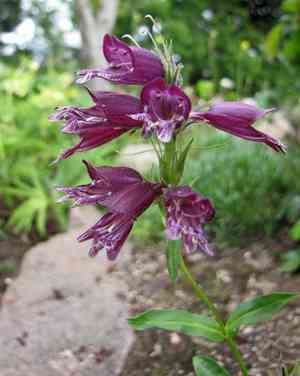
1
Whipple's penstemon flourishes with ample sunlight, requiring over six hours of direct light each day.
2
Shield Whipple's penstemon from intense midday sun to prevent leaf burn.
3
Whipple's penstemon endures some shade, though its flowering might be less abundant.
Understanding Light Requirements for Whipple's penstemon
Ideal Light Exposure
For Whipple's penstemon, ideal light exposure means getting at least 6 hours of direct sun daily. This tough perennial thrives in full sun, which encourages abundant blooms and strong development. Placing Whipple's penstemon where it gets ample morning sun and some afternoon shade can help balance its light needs, especially in areas with very strong sunlight.
Indicators of Excessive Sunlight
While Whipple's penstemon enjoys full sun, it's crucial to recognize when it's receiving too much. Signs of too much sun include leaf burn, appearing as brown, crispy edges on foliage. Additionally, the plant might wilt despite sufficient watering, as intense sun can increase water evaporation from the soil and plant tissues.
Indicators of Insufficient Sunlight
Inadequate sunlight can impede the growth and flowering of Whipple's penstemon. If the plant gets less than the required 6 hours of sun, you might observe leggy growth, where stems become long and weak as they reach for light. Blooming may also be sparse or absent, signaling the plant's need for more sun exposure.
Optimal Locations for Whipple's penstemon
Outdoor Planting Spots
Whipple's penstemon thrives when planted outdoors in spots offering plenty of direct sunlight. The perfect location is a garden bed with well-draining soil and full sun. If your garden experiences extremely hot summers, consider a spot that gets some afternoon shade to prevent heat stress. Raised beds or slopes can be excellent choices as they improve drainage and sun exposure.
Indoor Placement
Although Whipple's penstemon is primarily an outdoor plant, it can be grown indoors under the right conditions. Position the plant near a south-facing window where it can receive ample direct sunlight. Be sure to rotate the pot regularly to ensure even light distribution on all sides of the plant. If natural light is insufficient, supplement with grow lights that mimic full-spectrum sunlight.
Adjusting Light for Seasonal Changes
Spring and Summer Light Needs
During spring and summer, Whipple's penstemon requires full sun to support its vigorous growth and blooming period. Ensure it receives at least 6 hours of direct sunlight daily. In particularly hot climates, provide some afternoon shade or use a light shade cloth to protect the plant from scorching midday sun.
Fall and Winter Light Needs
As seasons change, Whipple's penstemon still needs ample sunlight, though intensity and duration naturally decrease. In fall, the plant can usually manage with slightly reduced sun exposure. During winter, when sunlight is limited, ensure the plant is in the brightest spot available. If grown indoors, continue to place it near a bright window or consider using artificial lighting like grow lights to maintain its health.
FAQ on Light for Whipple's penstemon
Can Whipple's penstemon Grow in Complete Shade?
Whipple's penstemon is not well-suited to growing in complete shade. While it can tolerate partial sun, with about 3-6 hours of sunlight, full shade will likely result in poor growth, reduced flowering, and overall health decline. If you have a shaded garden, try to place the plant in the brightest part of that area.
How to Shield Whipple's penstemon from Intense Sunlight?
To shield Whipple's penstemon from intense sunlight, especially in hot climates, consider planting it where it receives morning sun and afternoon shade. You can also use shade cloths during peak summer days to reduce the risk of leaf scorching. Mulching around the base of the plant can help retain soil moisture and keep the roots cool.



