How to Prune Whipple's penstemon?
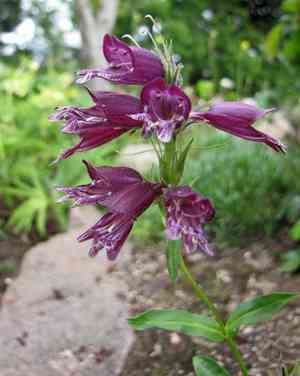
A perennial plant featuring impressive blooms and a dense form, whipple's penstemon thrives with trimming to stimulate robustness and flowering. Following its initial bloom, remove faded flowers to encourage a subsequent flowering period. Trim the plant in late autumn or early spring to preserve its structure and well-being, reducing its size by no more than one-third. This schedule enables whipple's penstemon to conserve energy for the subsequent growing cycle. Strategic pruning guarantees excellent air movement and diminishes the likelihood of disease, which is crucial for whipple's penstemon's extended lifespan.
What Are the Benefits of Pruning Whipple's Penstemon?
What Are the Benefits of Pruning Whipple's Penstemon?
Trimming whipple's penstemon promotes more robust development and helps maintain its form, ensuring it remains visually appealing and thriving.
What Is the Best Time for Pruning Whipple's Penstemon?
What Is the Best Time for Pruning Whipple's Penstemon?
Trimming from late spring to early summer coincides with whipple's penstemon's post-flowering stage, a period when the plant is less susceptible to stress from cutting. This timing allows for shaping and removal of faded blooms, encouraging a second flowering in the same season. Deadheading, or removing spent flowers, during summer can also foster healthier growth and more abundant blooms the following year. Autumn pruning is crucial for eliminating dead or diseased stems, which can prevent fungal infections and other health issues over winter. However, avoid pruning too late in fall, as new growth might be vulnerable to frost. These seasons are considered optimal as they ensure whipple's penstemon's energy is directed towards developing strong roots and leaves, rather than healing pruning wounds, resulting in a fuller, more vigorous plant during its active growth.
What Tools Do I Need to Prune Whipple's Penstemon?
Bypass Pruners
These pruners create clean cuts and are perfect for snipping through the relatively thin, herbaceous stems of whipple's penstemon.
Gardening Scissors
Sharp scissors can be utilized for precise trimming of whipple's penstemon's delicate stems and for deadheading faded blooms to encourage more flowering.
Hand Shears
For shaping and managing the size of whipple's penstemon, hand shears provide a quick method to uniformly trim back clusters of stems simultaneously.
How to Prune Whipple's Penstemon
Disinfect tools
Before trimming whipple's penstemon, sanitize your pruning tools with alcohol or a 10% bleach solution to prevent disease transmission.
Remove diseased material
Carefully snip away any diseased leaves and branches from whipple's penstemon, making clean cuts just above healthy leaf nodes or at the plant's base for branches.
Trim withered parts
Cut off withered leaves of whipple's penstemon to enhance appearance and redirect the plant's energy to healthy growth. Use a sharp and clean pair of scissors or pruning shears.
Eliminate dead branches
Remove dead branches from whipple's penstemon by cutting at a slight angle just above a node or bud to stimulate new growth.
Clean up
After pruning, clear away fallen debris around whipple's penstemon to deter pests and disease. Dispose of diseased material properly to avoid contamination.
Common Pruning Mistakes with Whipple's Penstemon
Overpruning
Removing excessive foliage or too many stems at once can stress whipple's penstemon, leading to stunted growth or reduced flowering. It's crucial to limit pruning to dead or damaged stems and spent flower stalks.
Cutting into old wood
Whipple's penstemon blooms on new growth. Pruning into the old, woody stems can hinder the plant's ability to produce new shoots and flowers. Focus on cutting the softer, green stems.
Improper cut placement
Cutting too far above a leaf node or bud can leave a stem stub vulnerable to disease or pests. Similarly, cutting too close can harm emerging shoots, so aim to cut just above the node.
Neglecting to deadhead
Failure to regularly deadhead, or remove spent flowers, can result in whipple's penstemon expending energy on seed production rather than on new growth and blooms.
Common Pruning Tips for Whipple's Penstemon
Sharp clean tools
Utilize sharp and sterile pruning shears to make precise cuts and prevent disease spread. Clean the blades before and after use to maintain good plant health.
Identifying what to prune
Focus on removing dead or damaged stems, as well as spent flower stalks. This helps whipple's penstemon direct its energy toward healthy growth and future blossoms.
Timing after blooming
Since the timing of pruning has been excluded, prune whipple's penstemon after the flowers have faded to encourage a new flush of growth and possibly a second bloom.
Cut at an angle
Make cuts at a 45-degree angle, which promotes water runoff and reduces the chance of rot or disease affecting the cut site.
Encouraging new growth
Prune the stem just above a set of leaves or buds to stimulate new growth. New shoots will typically emerge from the nodes below the cut.



