How to Transplant Desert beardtongue?
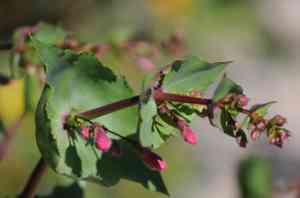
The ideal period for relocating desert beardtongue is as late spring's warmth transitions into early summer, facilitating prime root development. Select a bright location with soil that drains effectively to foster your desert beardtongue's thriving, and guarantee careful handling to safeguard the root structure throughout the move.
What Preparations are Needed Before Transplanting Desert Beardtongue?
What is the Ideal Time for Transplanting Desert Beardtongue?
The perfect moment for relocating desert beardtongue is during the transition from late spring to early summer. This period offers mild temperatures, ensuring smooth root adaptation. Transplanting desert beardtongue at this time leverages the season's moderate weather, minimizing shock and encouraging strong root establishment. A friendly reminder: follow this advice for a thriving desert beardtongue!
How Much Space Should You Leave Between Desert Beardtongue Plants?
For desert beardtongue, provide ample room for growth. Ideally, maintain a distance of 1-2 feet (30-60 cm) between each transplanted specimen. This prevents resource competition and allows your plants to flourish.
What is the Best Soil Mix for Desert Beardtongue Transplanting?
Desert beardtongue thrives in well-drained soil. Prepare your garden bed with a foundation of compost or aged manure. This supplies essential nutrients and improves soil structure. You might also incorporate a slow-release fertilizer to give your plants a strong start.
Where Should You Relocate Your Desert Beardtongue?
Desert beardtongue loves the sun! Select a spot where it will receive at least 6-8 hours of direct sunlight daily. This promotes vigorous growth and beautiful blooms. However, the intense midday sun can be too much, so areas with partial shade can also be suitable.
What Equipments Should You Prepare Before Transplantation Desert Beardtongue?
Spade or Shovel
Used to excavate the desert beardtongue plant from its original site without harming the root ball.
Gardening Gloves
To safeguard your hands while handling soil and plants.
Trowel
A small hand tool for digging the new planting hole and backfilling soil around the transplanted desert beardtongue.
Watering Can (with rain shower head)
Ensures a gentle, natural water flow for hydrating the plant before and after transplantation.
Mulch
To insulate the soil and maintain moisture levels post-transplant.
Yardstick
For measuring the depth and width of the hole intended for the transplant.
Garden Fork
Helpful for loosening compacted roots.
How Do You Remove Desert Beardtongue from the Soil?
How Do You Remove Desert Beardtongue from the Soil?
From Ground: First, water the desert beardtongue plant to moisten the soil. Next, use a shovel or spade to dig a wide circle around the plant, ensuring the root ball remains intact. Carefully work the spade beneath the root ball to lift the plant from the ground.
From Pot: Begin by thoroughly watering the desert beardtongue plant. Then, gently tilt the pot and carefully extract the plant by holding its base â the root ball and soil should slide out easily. If the plant is stuck, you may need to tap the pot's bottom or run a knife along the pot's interior.
From Seedling Tray: Lightly water the seedlings before transplanting. Push the seedling upwards from the cell's bottom, being careful not to damage the plant or its roots. If roots are tangled, gently separate them to prevent potential growth issues after transplanting.
From Pot: Begin by thoroughly watering the desert beardtongue plant. Then, gently tilt the pot and carefully extract the plant by holding its base â the root ball and soil should slide out easily. If the plant is stuck, you may need to tap the pot's bottom or run a knife along the pot's interior.
From Seedling Tray: Lightly water the seedlings before transplanting. Push the seedling upwards from the cell's bottom, being careful not to damage the plant or its roots. If roots are tangled, gently separate them to prevent potential growth issues after transplanting.
Step-by-Step Guide for Transplanting Desert Beardtongue
Preparation
Moisten the desert beardtongue potting soil until it's damp but not saturated. Your new planting area should have a similar moisture level.
Digging
Using a hand trowel, excavate a hole that is twice as wide and as deep as the root ball of your desert beardtongue plant.
Placing
Position the desert beardtongue plant into the hole, centering it. The top of the root ball should be flush with the surrounding soil surface.
Filling
Backfill the hole with soil, ensuring the desert beardtongue plant remains upright and correctly aligned.
Watering
Gently water your newly transplanted desert beardtongue plant, saturating the soil without waterlogging it.
Mulching
Apply a layer of mulch around the desert beardtongue plant to help retain soil moisture and keep it cool.
How Do You Care For Desert Beardtongue After Transplanting?
Watering
Keep the soil around the desert beardtongue plant consistently moist but not waterlogged for the initial weeks after transplanting to aid in strong root establishment.
Care
Avoid applying fertilizers or plant food to the transplanted desert beardtongue for the first few weeks. Allow the plant to acclimate to its new environment and strengthen its root system.
Protection
In anticipation of severe weather, such as extreme heat or cold, provide your desert beardtongue with suitable protection.
Troubleshooting Common Issues with Desert Beardtongue Transplantation.
When's the optimal time to transplant desert beardtongue?
The best time to transplant desert beardtongue is from late summer to early fall (S3-S4). This allows the plant to establish itself before winter.
How should I space desert beardtongue when transplanting?
For desert beardtongue, it's ideal to maintain a 1-2 feet (30.5-61 cm) gap between each plant. This provides ample room for growth and flourishing.
Should I water desert beardtongue right after transplanting it?
Yes, absolutely! Ensure the soil is moist, but not soaked, immediately after transplant. Proper watering helps roots settle in the new environment.
What's the best soil type for desert beardtongue during transplant?
Desert beardtongue prefers well-drained soil that can still retain moisture. Sandy or loamy soils are excellent choices for this plant.
What conditions does desert beardtongue need to thrive after transplant?
Desert beardtongue enjoys full sun to partial shade. Ensure good air circulation around the plant, and water regularly, but avoid overwatering, which can cause root rot.
Why is my transplanted desert beardtongue not growing well?
Ensure desert beardtongue receives adequate sunlight, water, and proper nutrients. Also, check for sufficient space around the plant and regularly loosen the soil.
What should I do if the leaves of desert beardtongue turn yellow after transplanting?
Yellow leaves may indicate overwatering or a nutrient deficiency. Adjust watering habits and provide a balanced plant food. If the issue persists, consider testing the soil pH.
If pests attack transplanted desert beardtongue, what should be done?
If pests like aphids, scale insects, or mites infest desert beardtongue, apply organic or chemical insecticides specifically formulated for these pests. Always follow instructions to prevent plant stress.
Should I prune desert beardtongue after transplanting?
If desert beardtongue is severely wilted or stressed post-transplant, light pruning can be beneficial. It reduces the plant's need to support unproductive or damaged leaves, focusing energy on root formation.
Is mulching necessary after transplanting desert beardtongue?
Yes, mulching helps desert beardtongue retain soil moisture and suppresses weed growth. However, avoid piling mulch against the plant stem to prevent rot.



