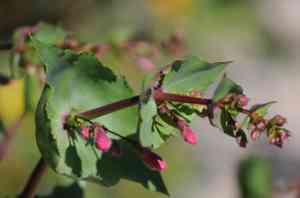
Desert beardtongue (Penstemon pseudospectabilis)
Also known as: Desert Beardtongue
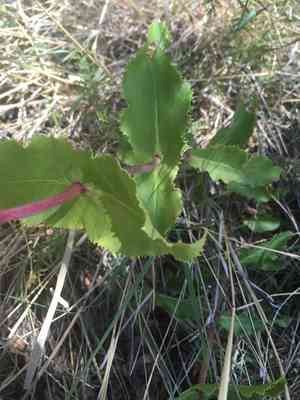
The plant's leaves are slender, oval-shaped with broad, pointed ends, and feature serrated edges. They grow in opposite pairs, often merging at the base around the stem to create a disc-like structure. The flower clusters consist of tubular blooms with lobed openings and have glandular hairs covering most parts, except for the smooth staminode. These flowers can reach up to 2.5 centimeters in length and are a reddish-pink color.
In This Article
Attributes of Desert beardtongue
Lifespan
Perennial
Plant Type
Herb, Shrub
Plant Height
30 cm to 91 cm
Spread
60 cm
Leaf Color
Green Blue
Flower Size
1-1.5 inches (2.5-3.8 cm)
Flower Color
Pink
Images of Desert beardtongue
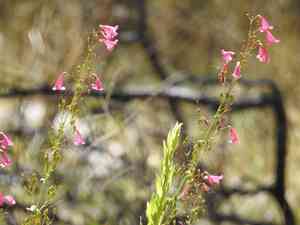
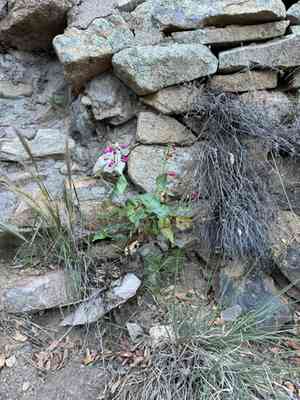
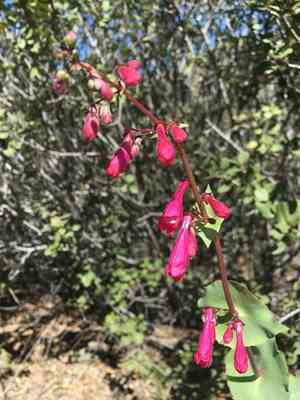
Quickly Identify Desert beardtongue
1
Penstemon pseudospectabilis can be identified by its tall flowering stalks, which can reach up to 2-3 feet, and its tubular pink to lavender flowers, which attract pollinators. The leaves are lance-shaped and arranged oppositely along the stem.
Scientific Classification of Desert beardtongue
Phylum
Vascular plants
Class
Dicotyledons
Order
Lamiales
Family
Plantain
Genus
Penstemon
Species
Desert beardtongue
Planting and Growing of Desert beardtongue
Care Difficulty
Moderate
Watering Schedule
Every 2 days
Sunlight Requirements
Full sun
Sunshine Duration
6-10 hours
Ideal Temperature
55-75℉
Soil Type
Potting Mix, Peat Mix
Soil pH
6.5-7.5
Fertilizer Type
Balanced
Pruning Season
Spring, Summer
Pruning Area
Branches, Leaves
Pruning Frequency
2 times a year
Repotting Season
Spring
Pot Type
Ceramic, Plastic
 How to Water Desert beardtongue?
Penstemon pseudospectabilis thrives when supplied with a moderate amount of water. Typically, providing around 500 milliliters per watering session ensures the soil remains moist but not waterlogged. It's vital to let the soil dry out slightly between waterings to mimic its native environment.
What are the symptoms of an underwatered Desert beardtongue?
›
What should I do if my Desert beardtongue is not getting enough water?
›
What are the symptoms of an overwatered Desert beardtongue?
›
How to save an overwatered Desert beardtongue?
›
 What Are the Sunlight Requirements for Desert beardtongue?
Full sun, ideally 6 to 8 hours of direct sunlight daily. This exposure ensures robust blooming and vibrant foliage, enhancing the plant's ornamental value and health.
What is the ideal lighting condition for Penstemon pseudospectabilis?
›
How can you achieve this ideal light condition?
›
What benefits does ideal lighting provide?
›
 What Is the Ideal Temperature Range for Desert beardtongue?
The ideal temperature for Penstemon pseudospectabilis growth ranges from 55°F to 75°F. This range provides optimal conditions for metabolic processes such as photosynthesis and respiration. At these temperatures, the plant is likely to exhibit vibrant growth and bloom profusely, enhancing its ornamental appeal. It's important to maintain these conditions consistently for the healthiest plant development.
 What Soil is Best for Desert beardtongue?
Penstemon pseudospectabilis thrives in well-drained soil as it prevents root rot. The plant's natural habitat includes arid regions, so ensuring good drainage replicates its native conditions, promoting healthy growth and vibrant blooms. This plant adapts well to low-nutrient environments, which minimizes the need for frequent fertilization. This characteristic makes it ideal for xeriscaping and reduces maintenance, saving time and resources. While preferring well-drained conditions, a slight moisture retention aids in resilience during occasional dry periods. This balance is crucial to prevent wilting and supports sustained growth and flowering.
 How to Fertilize Desert beardtongue?
For Penstemon pseudospectabilis, it's important to apply fertilizers sparingly due to their natural adaptation to nutrient-poor soils. When using liquid fertilizers, aim for half the recommended strength on the product label to avoid over-fertilization and potential harm to the plant. Typically, 1/4 to 1/2 teaspoon per gallon of water is sufficient.
 How to Prune Desert beardtongue?
Start by removing any dead or damaged stems close to the base to promote healthy growth. Aim to cut them at a 45-degree angle to prevent water from sitting on the cut surface. Thinning out crowded areas will improve air circulation, reducing the risk of disease. For Penstemon pseudospectabilis, shearing can help maintain a tidy and compact form. Use sharp shears to trim the outer growth lightly, aiming to create an even, rounded shape. This not only enhances appearance but also stimulates new blooms.
More About Pruning Techniques→
 How to Propagate Desert beardtongue plant?
1
Begin by filling seed trays with a well-draining potting mix. Sow the seeds on the surface and lightly cover with a thin layer of soil. Keep the tray in a warm, bright spot but out of direct sunlight, and maintain consistent moisture for germination.
2
Select healthy stems and cut just below a node using sterile scissors. Remove the lower leaves and optionally dip the cut end into a rooting hormone to promote root development. Place cuttings into a pot with a well-draining medium.
3
Consistent moisture is crucial for both seed and cutting propagation. Use a spray bottle to lightly mist the soil or medium, ensuring it stays moist but not soggy to enable successful rooting or germination.
 How to Repot Desert beardtongue plant?
1
Penstemon pseudospectabilis typically requires repotting every 2-3 years. Key signs include roots growing out of drainage holes or visible stunted growth. These indicators suggest that the plant's roots need more space or fresh nutrients from new soil.
2
Select a pot that is 1-2 inches larger in diameter than the current one. Ensure it has ample drainage holes, which help prevent waterlogging—a major threat to this species. A shallow pot is ideal as it provides ample room for shallow root systems while preventing excess soil.
3
Opt for a well-draining soil mix, as Penstemon pseudospectabilis thrives in soil that's neither overly wet nor compacted. A blend of potting soil, perlite, and sand ensures aeration and maintains suitable moisture levels, mimicking its natural habitat.



