How to Prune Desert beardtongue?
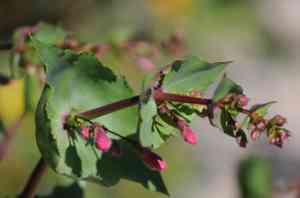
Penstemon pseudospectabilis, recognized for its vivid pink to violet blossoms and resilience to arid conditions, thrives with pruning during the spring and summer seasons. Eliminate faded flowers and elongated stems to foster a dense form and increased flowering. Refrain from severe cutting; instead, concentrate on minor trimming to improve air movement and lower the chance of illness. Consistent pruning not only boosts bloom production but also sustains the plant's well-being and visual appeal. Refer to regional gardening recommendations for particular local factors.
What Are the Benefits of Pruning Desert Beardtongue?
What Are the Benefits of Pruning Desert Beardtongue?
Trimming desert beardtongue encourages robust development and aids in maintaining its form. Pruning fosters healthy branching, enhances appearance, and can prevent excessive growth, ensuring the plant stays appealing and manageable in the garden.
What Is the Best Time for Pruning Desert Beardtongue?
What Is the Best Time for Pruning Desert Beardtongue?
Trimming desert beardtongue during spring and summer aligns with its active growth period. This timing helps stimulate new growth and maintain a sound structure as the plant has ample time to recover. Additionally, since desert beardtongue flowers in late spring through summer, pruning after the blooming phase can prevent harm to the blossoms and ensure optimal flowering for the subsequent season. This practice also assists in managing the plant's size and removing any dead or diseased branches, promoting overall plant vitality.
What Tools Do I Need to Prune Desert Beardtongue?
Hand Pruners (Bypass Pruners)
Bypass pruners are perfect for precise cuts on small to medium-sized stems and branches of desert beardtongue. They facilitate clean cuts which encourage healthy regrowth.
Pruning Shears
Useful for trimming spent flowers and light shaping of desert beardtongue. They are suitable for delicate cuts required for this plant.
Loppers
For thicker branches of desert beardtongue, loppers provide the necessary leverage and power to make clean cuts. Ideal for revitalizing the plant or removing older growth.
Hedge Shears
While not commonly necessary, hedge shears can assist in shaping desert beardtongue if it has grown very dense. These are best for trimming multiple stems simultaneously.
How to Prune Desert Beardtongue
Identify diseased and withered parts
Examine desert beardtongue to locate diseased leaves, withered leaves, and diseased stems. These parts are typically discolored, dried out, or showing signs of infection.
Sanitize tools
Before making any cuts, ensure your pruning shears or scissors are disinfected with rubbing alcohol or a bleach solution to prevent the spread of disease.
Remove withered leaves
Carefully trim withered leaves from desert beardtongue, cutting them back to the base where they meet healthy tissue. This helps redirect energy to productive parts of the plant.
Remove diseased leaves
Cut off any diseased leaves from desert beardtongue, ensuring you make cuts into healthy tissue to completely remove infected areas. Dispose of these leaves away from the plant to prevent reinfection.
Cut diseased stems
Trim diseased stems back to healthy tissue, cutting at a slight angle just above a node or junction point. This helps prevent water accumulation and promotes healthy new growth.
Common Pruning Mistakes with Desert Beardtongue
Over-Pruning
Removing too much foliage or cutting back the plant drastically can stress desert beardtongue and inhibit its growth and flowering potential.
Incorrect Cutting Techniques
Using dull or inappropriate tools can cause ragged cuts, leading to increased vulnerability to disease and pests.
Pruning at the Wrong Time
Pruning during the hottest parts of the day can stress desert beardtongue, especially in arid conditions where it thrives.
Common Pruning Tips for Desert Beardtongue
Use Clean, Sharp Tools
Always use sharp pruning shears or scissors to make clean cuts, minimizing the risk of damage and disease.
Focus on Dead or Diseased Stems
Remove any diseased, dead, or damaged stems to promote healthy growth and prevent the spread of pathogens.
Moderate Pruning
Aim to remove no more than one-third of the plant at a time to allow desert beardtongue to recover and flourish.



