How to Propagate Desert beardtongue?
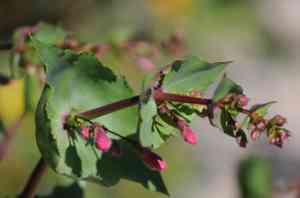
Desert beardtongue is a perennial species recognized for its vivid blooms and hardiness in dry climates. Reproduction is typically effective via cuttings. Choose robust, new shoots, performing a precise incision beneath a node. Submerge the severed end in rooting compound to stimulate root formation, then embed in porous soil. Maintain consistent soil dampness, avoiding saturation, until substantial root development is observed. Position the cuttings in a shaded, protected spot to avert strain.
Optimal Period for Desert Beardtongue Propagation
Propagation Method
Cutting
Propagation Season
Spring,Summer
Tools for Desert Beardtongue Propagation
Pruning Shears
Utilized for taking precise desert beardtongue cuttings. Select sharp, sanitized shears to minimize plant harm and lower disease transmission risk.
Rooting Hormone
Aids in stimulating root development from desert beardtongue stem cuttings. Dip the cut end into the hormone prior to planting to boost successful rooting chances.
Propagation Trays
Offer a regulated setting for desert beardtongue cuttings to root. Ensure trays have drainage holes to avert waterlogging and root decay.
Sterilized Soil Mix
A specialized blend, often containing perlite, vermiculite, or similar media, to enhance drainage while retaining adequate moisture. Crucial for rooting desert beardtongue cuttings, it lessens fungal infection risks.
Heat Mat
Maintains the ideal soil temperature for root growth in desert beardtongue cuttings. Especially beneficial in cooler climates or indoor propagation setups.
Humidity Dome
Generates a moist micro-environment around desert beardtongue cuttings, reducing transpiration and helping them retain moisture as roots form.
Spray Bottle
Used to regularly mist desert beardtongue cuttings, maintaining high humidity without overwatering. This prevents drying out and promotes healthy root growth.
Labeling Stakes
Helps track various desert beardtongue cuttings and their propagation dates. Important for monitoring progress and ensuring proper care schedules.
How to Propagate Desert Beardtongue?
Propagation Type
Easy
Caring for Your Newly Propagated Desert Beardtongue
Caring for Your Newly Propagated Desert Beardtongue
Once rooted, gradually introduce desert beardtongue to more direct sunlight. Transplant young plants to their permanent spot in well-draining soil with full sun. Water regularly, but let the soil dry slightly between waterings, as desert beardtongue tolerates drought. Fertilize sparingly, if at all, as rich soil can cause weak, leggy growth. Monitor for pests and diseases, and ensure good air circulation to prevent fungal issues.
Common Propagation Mistakes for Desert Beardtongue
Overwatering
This can lead to root rot, as desert beardtongue prefers well-drained soil and is sensitive to excessive moisture.
Improper Soil Mix
Using soil that holds too much water can impede desert beardtongue's growth and health. They thrive better in sandy or rocky, well-draining soils.
Neglecting Soil pH
Failing to check soil pH can be harmful, as desert beardtongue prefers slightly acidic to neutral soil. Extremes can impact nutrient absorption.
Insufficient Sunlight
Planting desert beardtongue in areas with inadequate sunlight can hinder its growth, as it requires full sun to flourish.
Incorrect Cutting Technique
Taking cuttings improperly can result in poor or no root development. Desert beardtongue requires specific methods for successful propagation.
Ignoring Pest Management
Overlooking potential pests like aphids can impede the growth and establishment of new plants.
Tips For Propagating Desert Beardtongue
Use Well-Draining Soil
Ensure the soil mix contains a significant amount of sand or grit to facilitate proper drainage and prevent root rot.
Proper Watering Schedule
Water sparingly and only when the top inch of soil feels dry. This prevents overwatering and root diseases.
Monitor Soil pH
Aim for a slightly acidic to neutral pH (around 6.0-7.0), which is ideal for desert beardtongue's nutrient uptake.
Maximize Sun Exposure
Plant desert beardtongue in locations that receive full sunlight for most of the day to encourage robust growth.
Correct Cutting Method
Use clean, sharp scissors or a knife to take 4-6 inch cuttings from healthy, mature plants. Remove lower leaves and allow cuttings to callous before planting.
Pest Control
Regularly check for pests and take prompt action, using organic or chemical treatments as necessary to protect young plants.



