How to Transplant James' beardtongue?
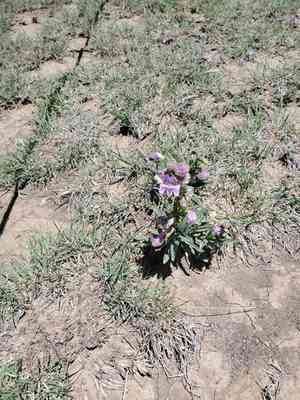
James' beardtongue thrives when relocated during the pleasant temperatures of mid to late spring for peak development. Select a bright location with soil that drains effectively to achieve superior outcomes. Exercise caution when manipulating roots to lessen shock.
What Preparations are Necessary Before Relocating James' Beardtongue?
What is the Optimal Period for Moving James' Beardtongue?
The best time to move james' beardtongue is during the middle to end of spring. This timeframe allows the plant to establish its root system prior to the summer heat. Relocating james' beardtongue at this point ensures vigorous development, improved survival rates, and vibrant blossoms, as the ground is warm and more favorable for root growth.
How Much Distance Should You Maintain Between James' Beardtongue Plants?
When relocating james' beardtongue, position each plant 12-18 inches (30-45 cm) apart. This will provide ample room for growth and ensure proper air circulation.
What is the Best Soil Blend for James' Beardtongue Relocation?
Prepare well-draining soil for james' beardtongue by combining garden soil with sand and organic matter. Incorporating a balanced fertilizer during soil preparation will aid your plants in flourishing.
Where Should You Replant Your James' Beardtongue?
Select a sunny location for replanting james' beardtongue. They thrive in full sunlight, meaning at least 6 hours of direct sun exposure daily.
What Tools Should You Get Ready Before Relocating James' Beardtongue?
Gardening Gloves
To safeguard your hands while handling soil and the plant.
Shovel or Spade
For excavating around and lifting the plant from its initial spot.
Trowel
Useful for smaller digging tasks and moving plants from containers or trays.
Watering Can or Hose
To hydrate the plant before extraction and after replanting.
Wheelbarrow
If the plant is large or heavy, for transporting it to its new position.
Pruning Shears
For trimming any damaged roots during the relocation process.
How Do You Extract James' Beardtongue from the Ground?
How Do You Extract James' Beardtongue from the Ground?
From Ground: First, moisten the james' beardtongue plant to dampen the soil. Next, dig a wide trench around the plant using a shovel or spade, ensuring the plant's root ball remains intact. Carefully work the spade beneath the root ball to lift the plant from its original spot.From Pot: Water the james' beardtongue plant thoroughly to facilitate removal. Gently tilt the pot and slide the plant out, using a trowel to loosen the soil if necessary. Be sure to support the base of the plant and its root ball during extraction.From Seedling Tray: Water the seedlings beforehand. Use a trowel or your fingers to gently lift each james' beardtongue seedling from the tray, supporting the root ball and preventing damage to the delicate roots.
Step-by-Step Guide for Relocating James' Beardtongue
Preparing the New Location
Dig a hole twice the width and the same depth as the root ball of the james' beardtongue plant. Loosen the soil at the base of the hole.
Moving the Plant
Position the james' beardtongue plant in the center of the hole, ensuring the top of the root ball is level with the surrounding soil. Adjust the hole's depth if needed.
Refilling the Hole
Backfill the hole with soil, gently pressing down to remove air pockets. Be careful not to over-compact the soil.
Watering
Thoroughly water the newly planted james' beardtongue to settle the soil around its roots. Ensure the water reaches the root zone.
Mulching
Apply a layer of mulch around the base of the james' beardtongue plant to help retain moisture and inhibit weed growth, keeping it a few inches away from the stem.
How Do You Care For James' Beardtongue After Relocation?
Watering
Keep the soil around the james' beardtongue consistently damp, but not waterlogged, for the initial weeks after relocation to aid in establishing strong roots.
Monitoring
Regularly check on the james' beardtongue plant for indications of stress such as wilting or yellowing foliage and adjust care as necessary.
Pruning
Remove any dead or damaged leaves and stems to promote healthy development.
Protection
If relocating in a warmer season, consider providing temporary shade to shield the james' beardtongue plant from intense sunlight until it becomes established.
Addressing Common Issues with James' Beardtongue Relocation.
When is the ideal time to move james' beardtongue?
Relocate james' beardtongue in mid to late spring for the highest chance of success.
How much space should I leave between james' beardtongue plants?
Space james' beardtongue plants 12-18 inches (30-45 cm) apart for optimal growth.
What should be the soil condition for relocating james' beardtongue?
Ensure the soil is well-draining and has a slightly acidic to neutral pH for james' beardtongue.
How deeply should james' beardtongue be planted?
Plant james' beardtongue at the same depth it was in the pot to prevent stress.
How can I prevent transplant shock in james' beardtongue?
Water thoroughly immediately after relocating and keep the soil consistently moist for a few weeks.
What is the ideal sunlight requirement for james' beardtongue after relocation?
Place james' beardtongue in an area with full to partial sunlight, approximately 6 hours of sun daily.
How should I prepare james' beardtongue for relocation?
Water james' beardtongue well a day prior, and gently loosen the root ball when planting.
Is mulching beneficial for james' beardtongue after relocation?
Yes, apply a 2-inch (5 cm) layer of mulch around james' beardtongue to retain moisture and suppress weeds.
How can I tell if james' beardtongue is not adapting after the move?
Look for wilting, yellowing leaves, or stunted growth, which may indicate relocation stress.
What should I do if james' beardtongue shows signs of relocation stress?
Keep the soil moist and provide some shade if necessary until james' beardtongue recovers.



