How to Prune James' beardtongue?
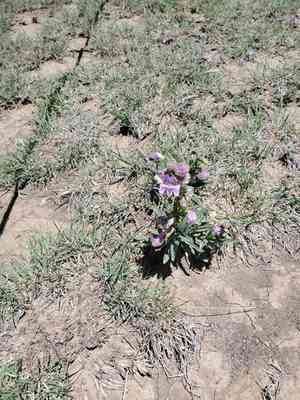
Penstemon jamesii, recognized for its vivid flowers and resilience to arid conditions, thrives with trimming to boost vitality and blossom production. Perform pruning in the initial part of spring or the latter part of winter, right before fresh shoots emerge. Eliminate any lifeless or ailing stalks, and gently shorten robust ones to foster a denser form. This practice deters elongation and improves air circulation, thereby lowering the likelihood of ailments. Consistent trimming stimulates a greater profusion of flowers and sustains a tidy look, leading to a more robust and appealing specimen.
Advantages of Trimming James' Beardtongue
Advantages of Trimming James' Beardtongue
Trimming james' beardtongue promotes robust development, maintains form, boosts blooms, lowers disease risk, and manages size.
Optimal Time for Trimming James' Beardtongue
Optimal Time for Trimming James' Beardtongue
Trimming or cutting back james' beardtongue in late winter or early spring is ideal due to its growth pattern. During this period, the plant is typically inactive, which minimizes stress and allows for quicker recuperation. Pruning before the start of the growing season encourages vigorous growth and abundant flowering. Avoiding pruning during active growth ensures the plant can direct its energy towards blooming and overall health, rather than recovering from cuts.
Tools Required for Trimming James' Beardtongue
Hand Pruners
Perfect for eliminating dead, damaged, or diseased stems. Their compact size and maneuverability aid in making accurate cuts, crucial for james' beardtongue's delicate stems.
Bypass Pruners
Best for clean, precise cuts without crushing stem tissue. They are vital for maintaining the health of james' beardtongue.
Pruning Shears
Useful for larger stems that hand pruners cannot manage. These shears provide the necessary force to cut thicker stems cleanly.
How to Trim James' Beardtongue
Remove diseased foliage
Carefully inspect james' beardtongue for any diseased leaves. Using sanitized pruning shears, cut back the affected leaves at their base where they connect to the stem to prevent disease spread.
Dispose securely
Collect all removed diseased leaves and place them in a sealed bag. Discard them away from your garden area to ensure no pathogens spread to other plants.
Remove withered foliage
Identify any withered or dead leaves on james' beardtongue. Trim these leaves back to the base or where they meet healthy tissue using clean, sharp pruning shears.
Sanitize tools
After pruning, thoroughly clean and sterilize your pruning tools. This step minimizes the risk of transmitting any diseases to other plants when using the same tools.
Monitor plant
Regularly check james' beardtongue for signs of new diseased or withered leaves. Consistent upkeep ensures the plant remains healthy and robust.
Common Trimming Errors with James' Beardtongue
Incorrect method
A common error is using dull or unsuitable tools, which can cause ragged cuts and harm the plant. Always use sharp, clean pruning shears.
Excessive trimming
Inexperienced gardeners might remove too much foliage, which can stress james' beardtongue and hinder its growth and flowering. Avoid cutting more than one-third of the plant at a time.
Trimming at the wrong time
While the best season for pruning is not covered here, pruning during a growth period can disrupt the plant's natural cycle. Timing is crucial for healthy regrowth.
Cutting too close to the base
Another mistake is cutting branches too close to the base, which can damage the main stem and roots. Leave a small stub to protect the plant.
Neglecting deadheading
Failing to remove spent flowers (deadheading) can prevent james' beardtongue from producing new blooms and reduce its overall vitality.
General Trimming Advice for James' Beardtongue
Use clean tools
Ensure your pruning shears are clean and sharp to make precise cuts and prevent the spread of disease.
Focus on deadheading
Regularly remove spent flowers to encourage continuous blooming and prevent the plant from wasting energy on seed production.
Remove dead or diseased wood
Cut back any dead or diseased stems to promote healthy new growth and prevent potential infections.
Thin out crowded stems
Thinning out crowded stems improves air circulation and light penetration, reducing the risk of disease and encouraging healthier growth.
Make angled cuts
When cutting stems, make angled cuts just above a leaf node or bud to promote better water runoff and faster healing.



