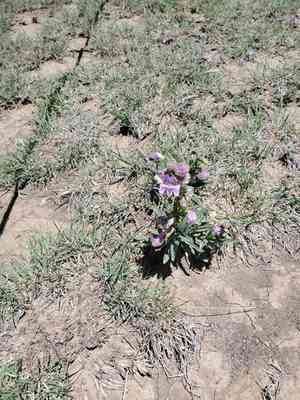
James' beardtongue (Penstemon jamesii)
Also known as: James's beardtongue, Rocky Mountain penstemon
James' beardtongue is a hardy perennial that forms clumps of narrow, lance-like leaves. It features striking scarlet tubular flowers that attract hummingbirds for pollination. This plant flourishes in rocky, well-drained soils and is well-suited to dry, mountainous regions, demonstrating excellent drought tolerance. Its vibrant flowers typically bloom from late spring to early summer, adding a splash of color to its natural environment.
In This Article
Attributes of James' beardtongue
Lifespan
Perennial
Plant Height
30 cm to 91 cm
Spread
30-60 cm (12-24 inches)
Leaf Color
Green
Flower Size
1.5-2.5 cm (0.6-1 inch)
Flower Color
Pink, purple
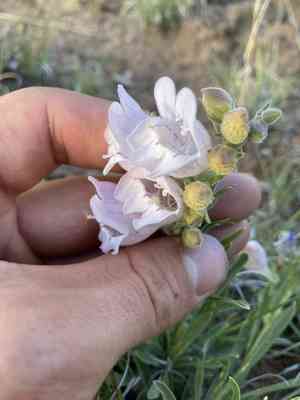
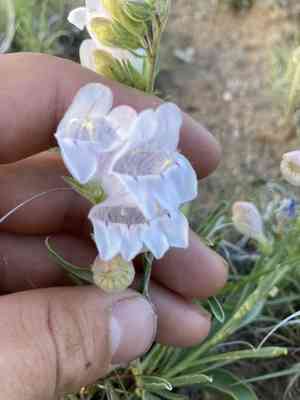
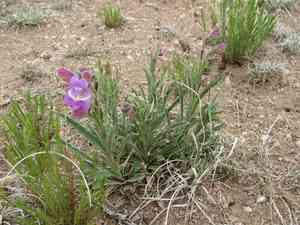
Images of James' beardtongue
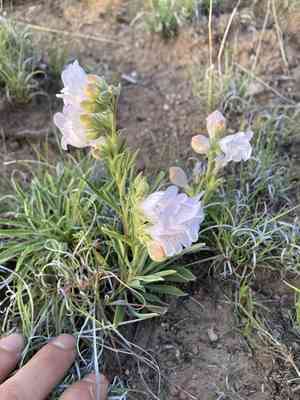
Quickly Identify James' beardtongue
1
Penstemon jamesii can be identified by its tubular flowers, usually pink to purple in color, and its lanceolate leaves. The stems are typically upright and the plant has a somewhat woody base.
Scientific Classification of James' beardtongue
Phylum
Vascular plants
Class
Dicotyledons
Order
Lamiales
Family
Plantain
Genus
Penstemon
Species
James' beardtongue
Planting and Growing of James' beardtongue
Care Difficulty
Moderate
Watering Schedule
Every 2 days
Sunlight Requirements
Full sun
Sunshine Duration
4-6 hours
Ideal Temperature
60-75℉
Soil Type
Potting Mix, Peat Mix
Soil pH
6.5-7.5
Fertilizer Type
Balanced
Pruning Season
Spring, Summer
Pruning Area
Branches, Leaves
Pruning Frequency
2 times a year
Repotting Season
Spring
Pot Type
Plastic, Ceramic
 How to Water James' beardtongue?
For Penstemon jamesii, the watering should be thorough but not excessive. It's ideal to water until the soil is moist but not waterlogged, approximately 500 ml per session. Check the soil moisture with your finger to ensure it is slightly damp but not too wet.
What are the symptoms of an underwatered James' beardtongue?
›
What should I do if my James' beardtongue is not getting enough water?
›
What are the symptoms of an overwatered James' beardtongue?
›
How to save an overwatered James' beardtongue?
›
 What Are the Sunlight Requirements for James' beardtongue?
Penstemon jamesii is best suited for full sun to partial sun exposure. This optimizes photosynthesis, increasing energy reserves for vibrant bloom production and healthier growth, creating a more resilient plant suitable for ornamental gardening.
What is the ideal sunlight level?
›
What solutions can provide ideal sunlight?
›
What are the benefits of ideal sunlight?
›
 What Is the Ideal Temperature Range for James' beardtongue?
For optimal growth, Penstemon jamesii thrives best in temperatures ranging from 60°F to 75°F. In this range, the plant can efficiently carry out photosynthesis and other metabolic processes, ensuring robust development and a healthy appearance. Maintaining these temperatures is crucial for the plant to produce vigorous blooms and resist diseases that can occur under stress conditions.
 What Soil is Best for James' beardtongue?
Penstemon jamesii thrives in well-draining soil, which prevents waterlogging and root rot. Ensuring proper drainage allows the plant's roots to access oxygen efficiently, promoting healthier growth. This plant benefits from nutrient-rich soil that provides essential minerals and nutrients necessary for its growth. Fertile soil encourages robust blooming and overall plant vigor. Penstemon jamesii requires soil with good aeration to support root expansion and nutrient uptake. This aerated structure aids in water absorption and helps prevent compaction, enhancing root health.
 How to Fertilize James' beardtongue?
For Penstemon jamesii, it's important to use a balanced fertilizer with an NPK ratio like 10-10-10. Apply liquid fertilizer monthly at a rate of 1 tablespoon per gallon of water. For slow-release granules, use about 1/4 cup per plant once every 6 months.
 How to Prune James' beardtongue?
Begin by removing any dead, damaged, or diseased stems. Use sharp and clean pruning shears to make your cuts. Next, trim back the flowering stems once the blooms have faded, cutting about a third of the way down the stem. This encourages the growth of side shoots and extends the blooming season. If the plant becomes too dense or tall, consider thinning it by cutting back some older stems to near ground level to encourage new growth.
More About Pruning Techniques→
 How to Propagate James' beardtongue plant?
1
Before planting seeds or cuttings of Penstemon jamesii, prepare a well-draining soil mix. A combination of sand, perlite, and potting soil works well, as it mimics the plant's natural environment and prevents root rot.
2
When propagating by seeds, sow Penstemon jamesii seeds on the soil surface, pressing them gently without covering them completely. They require light for germination. Maintain consistent moisture but avoid overwatering to prevent mold.
3
For cutting propagation, take 3-4 inch cuttings from healthy plant stems during the early morning. Remove lower leaves and dip the cut end in rooting hormone. Plant the cutting in pre-moistened soil and cover with plastic to maintain humidity.
 How to Repot James' beardtongue plant?
1
Penstemon jamesii shows signs of needing a new pot when you notice its roots winding around the pot's edges. Besides, when water takes too long draining or the plant looks unusually cramped and stunted in growth, it's time for a repot. Ideally, target spring or summer for this procedure.
2
Opt for a pot that's one or two sizes larger than the current one. Ensure it has proper drainage holes to prevent waterlogging. The pot's material can impact moisture retention; clay pots are excellent for allowing breathability while plastic pots retain moisture longer.
3
Choose a well-drained sandy loam to mimic Penstemon jamesii's natural habitat. This type of soil allows optimal drainage while retaining enough moisture to keep the roots hydrated. The mix of sand and organic materials ensures the roots have enough air circulation.
Learn More About James' beardtongue Diseases
Anthracnose
Bacterial Leaf Spot
Bacterial Wilt
Chemical Injury
Crown Gall
Cyst Nematode
Damping-off
Downy Mildew
Drought Stress
Fusarium Wilt
Gray Mold
Leaf Spot
Mosaic
Nutrient Deficiency
Nutrient Toxicity
Powdery Mildew
Root Rot
Root-knot Nematode
Rusts
Sooty Mold
Spider Mites
Temperature Stress
Thrips Damage
White Mold



