How to Propagate James' beardtongue?
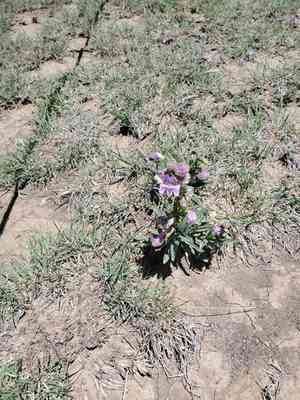
Penstemon jamesii is a robust perennial distinguished by its prominent tubular blossoms that draw in beneficial insects. It flourishes in adequately draining soil with a moderate level of dampness. To achieve peak development, scatter seeds on the soil's surface and lightly conceal them. Ensure continuous moisture until the seeds sprout. Employing a cold stratification method can boost the germination success of the seeds. This approach replicates natural cold weather, encouraging effective emergence.
Optimal Time for James' Beardtongue Propagation
Propagation Method
Seeding
Propagation Period
Spring
Tools for James' Beardtongue Propagation
Seed Trays
Crucial for seed germination, these trays offer a controlled setting for growth. They ensure proper spacing and root development, vital for james' beardtongue.
Seed Compost
A premium seed compost guarantees good drainage and aeration, essential for the healthy germination and growth of james' beardtongue seeds.
Misting Bottle
Used for gentle watering without disturbing seeds, a misting bottle helps maintain ideal moisture levels for james' beardtongue during initial stages.
Heating Mat
Provides consistent warmth to promote seed germination, especially beneficial for james' beardtongue when grown in cooler climates.
Label Stakes
Important for tracking different planted species and varieties, label stakes aid in identifying james' beardtongue seedlings post-germination.
Scalpel or Sharp Knife
Useful for taking cuttings or dividing plants if choosing vegetative propagation. Precise cuts are needed to minimize disease risk in james' beardtongue.
Rooting Hormone
Primarily for cuttings, a rooting hormone can also boost root development in james' beardtongue, fostering stronger plant growth.
Humidity Dome
Maintaining high humidity is vital for james' beardtongue seed germination, preventing rapid drying.
Pots or Containers
Once james' beardtongue seedlings are large enough, they need to be moved to individual pots or larger containers for continued development.
pH Meter
Ensuring the soil pH is suitable for james' beardtongue is crucial, as incorrect pH can hinder germination and seedling growth.
How to Propagate James' Beardtongue?
Propagation Difficulty
Simple
Caring for Your Newly Propagated James' Beardtongue
Caring for Your Newly Propagated James' Beardtongue
Post-transplant, ensure james' beardtongue receives adequate water during establishment, but avoid overwatering as it prefers well-drained conditions. Mulch around the base to retain moisture and suppress weeds. Monitor for pests and diseases, and provide support if needed. Once established, james' beardtongue is relatively drought-tolerant and low maintenance.
Common Mistakes to Avoid When Propagating James' Beardtongue
Improper Soil Mix
Using a soil blend that holds too much moisture can lead to root rot and other fungal problems.
Overwatering
Excessive irrigation can cause root rot and hinder robust root development.
Insufficient Light
Placing cuttings or seedlings in inadequate light can slow growth and compromise plant health.
Poor Air Circulation
Crowding plants or failing to provide proper ventilation can result in mold and mildew, impacting overall plant vitality.
Tips For Propagating James' Beardtongue
Well-Draining Soil
Utilize a soil mix that provides excellent drainage to prevent water accumulation around the roots.
Moderate Watering
Water plants just enough to keep the soil slightly damp but not saturated. Allow the soil surface to dry between waterings.
Bright, Indirect Light
Provide bright but indirect sunlight to encourage vigorous growth and prevent seedlings from becoming leggy.
Good Air Circulation
Ensure ample air movement around plants to prevent fungal issues and keep foliage dry.



