How to Transplant Slender penstemon?
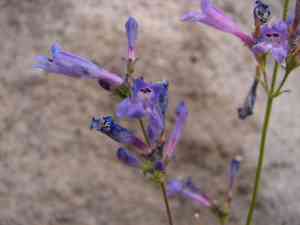
The optimal window for relocating slender penstemon spans from early to late spring, benefiting from mild temperatures and consistent hydration. Verify that the selected site offers ample sunlight and soil with good drainage to facilitate successful rooting.
What Preparations are Needed Before Transplanting Slender Penstemon?
What is the Ideal Time for Transplanting Slender Penstemon?
The best period for relocating slender penstemon, a perennial, spans from early spring through its conclusion. Moving the plant during this window ensures it benefits from mild temperatures and increased moisture, promoting robust root development. This timing improves the plant's ability to establish itself effectively before the intense summer heat arrives.
How Much Space Should You Leave Between Slender Penstemon Plants?
When planning to move slender penstemon, ensure each plant is spaced 12-18 inches (30-46 cm) apart. This provides ample room for their growth and flourishing without overcrowding.
What is the Best Soil Mix for Slender Penstemon Transplanting?
Prepare soil that drains well for slender penstemon, as they prefer not to remain in standing water. Incorporating compost or a balanced, slow-release fertilizer can improve the soil environment for enhanced growth.
Where Should You Relocate Your Slender Penstemon?
Slender penstemon thrives in full sun, so select a garden spot where it receives at least 6-8 hours of direct sunlight daily. This guarantees it will produce beautiful blooms.
What Equipments Should You Prepare Before Transplantation Slender Penstemon?
Gardening Gloves
To safeguard your hands while handling soil and slender penstemon.
Shovel or Spade
For digging the new hole and assisting in the removal of slender penstemon from its original spot.
Trowel
For more precise digging and careful manipulation around the root ball to prevent damage.
Garden Fork
To loosen the soil surrounding slender penstemon and gently lift it out, especially from containers or trays.
Watering Can or Hose
For hydrating the plant at various stages throughout the transplanting process.
Mulch
To cover the soil around slender penstemon post-transplant, aiding in moisture retention and soil temperature regulation.
Stakes and Ties
To offer structural support to slender penstemon if needed, particularly in windy locations.
How Do You Remove Slender Penstemon from the Soil?
How Do You Remove Slender Penstemon from the Soil?
From Ground: First, water the slender penstemon plant to moisten the soil, reducing transplant stress. Next, dig a wide trench around the plant using a shovel or spade, ensuring the plant's root ball stays intact. Carefully work the spade beneath the root ball to lift the plant from its initial position.From Pot: Lightly water the slender penstemon plant to loosen the soil. Gently tap the pot's sides to free the root ball. Invert the pot, supporting the stem with your hand, and carefully ease the plant out, aiming for minimal root disturbance.From Seedling Tray: Dampen the soil in the seedling tray to facilitate easier extraction. Use a garden fork or small trowel to gently lift each slender penstemon seedling by its root ball, taking care to keep the roots undamaged and intact.
Step-by-Step Guide for Transplanting Slender Penstemon
Site Preparation
Select a location with suitable conditions for your slender penstemon to flourish.
Dig the Hole
Excavate a hole that is twice as wide and as deep as the root ball of slender penstemon. This allows roots to spread easily.
Amend the Soil
Incorporate compost or organic material into the excavated soil to promote better growth.
Place the Plant
Position slender penstemon in the hole, ensuring the top of the root ball is level with the surrounding ground surface.
Fill the Hole
Gently backfill the hole with the amended soil, lightly tamping it down to remove air pockets without compacting the soil.
Water Thoroughly
Water the slender penstemon plant completely to help settle the soil and lessen transplant shock.
Apply Mulch
Spread mulch around the base of slender penstemon, keeping it a few inches from the stem to prevent rot.
Support the Plant
Insert stakes if necessary and loosely tie slender penstemon to them, especially if the area is prone to wind.
How Do You Care For Slender Penstemon After Transplanting?
Watering
Keep the soil around slender penstemon consistently moist, but not waterlogged, for the initial weeks post-transplant to aid in establishing strong roots.
Monitoring
Regularly check slender penstemon for indications of stress such as wilting, yellowing, or drooping leaves. These can signal watering needs or other issues.
Mulching
Maintain a layer of mulch to help retain soil moisture and inhibit weed growth.
Fertilizing
After several weeks, consider applying a balanced fertilizer to encourage vigorous development.
Pruning
Observe slender penstemon and trim any damaged or diseased parts to stimulate fresh, healthy growth.
Troubleshooting Common Issues with Slender Penstemon Transplantation.
When is the best time to transplant slender penstemon?
The optimal period to transplant slender penstemon is from early spring to late spring for the best outcomes.
How much space should I leave between slender penstemon plants?
Space slender penstemon 12-18 inches (30-45 cm) apart to ensure proper growth and air circulation.
What type of soil is best for transplanting slender penstemon?
Slender penstemon prefers well-draining soil that is slightly acidic to neutral (pH 6.0-7.0).
How do I prepare the soil before transplanting slender penstemon?
Loosen the soil to a depth of 10-12 inches (25-30 cm) and mix in compost.
How should I water slender penstemon after transplanting?
Water slender penstemon thoroughly immediately after transplanting and keep the soil consistently moist, but not waterlogged.
Why are the leaves of slender penstemon turning yellow after transplanting?
Yellow leaves might indicate overwatering or poor soil drainage. Ensure the soil is well-draining and water appropriately.
What should I do if slender penstemon appears wilted after transplanting?
Wilting may be due to transplant shock. Keep the soil moist and provide shade for a few days.
How can I reduce transplant shock for slender penstemon?
Minimize root disturbance, water thoroughly, and transplant slender penstemon in cool, cloudy conditions to reduce shock.
Should I fertilize slender penstemon after transplanting?
Avoid immediate fertilization. Wait a few weeks until slender penstemon is established, then use a balanced fertilizer.
Can I transplant slender penstemon in the fall?
Transplanting slender penstemon in fall is not recommended. Early spring to late spring is ideal for best growth.



