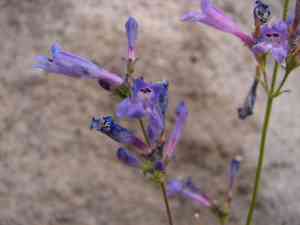
Slender penstemon (Penstemon gracilentus)
Also known as: Slender Beardtongue, Slender Penstemon
Slender penstemon (Penstemon gracilis) is ideal for arid environments due to its drought resistance and preference for sunny, well-drained locations. Its deep roots enable it to access water efficiently, while its narrow, lance-shaped leaves minimize water loss. The plant features elegant tubular flowers in shades of purple and violet, which attract pollinators and add beauty to dry landscapes. Its upright growth habit and simple, two-lipped blooms contribute to its charm and resilience in harsh conditions.
In This Article
Attributes of Slender penstemon
Lifespan
Perennial
Plant Type
Herb
Plant Height
30-60 cm
Spread
20-30 cm
Leaf Color
Green
Flower Size
1-2 cm
Flower Color
Purple, Violet
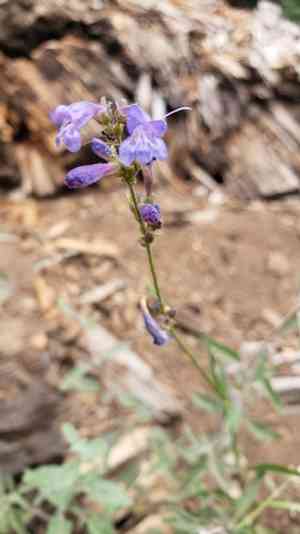
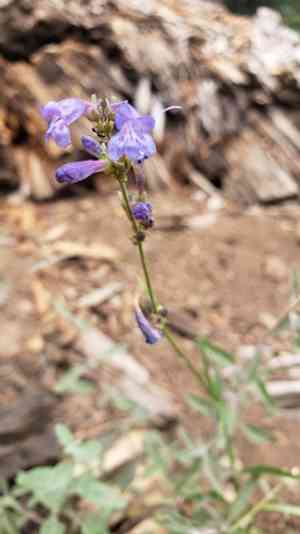
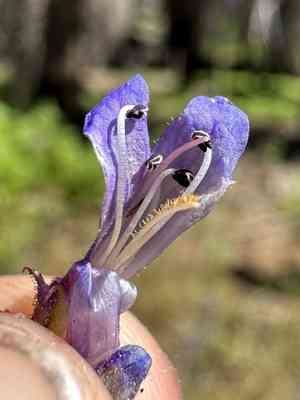
Images of Slender penstemon
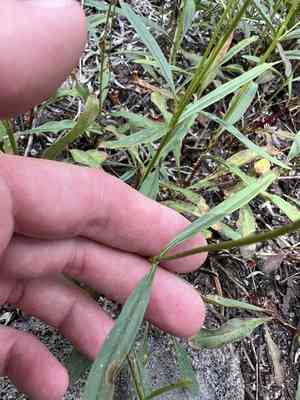
Quickly Identify Slender penstemon
1
Penstemon gracilentus can be identified by its slender, erect stems and narrow, lance-shaped leaves. The tubular flowers, usually purple or violet, grow in clusters and attract a variety of pollinators.
Scientific Classification of Slender penstemon
Phylum
Vascular plants
Class
Dicotyledons
Order
Lamiales
Family
Plantain
Genus
Penstemon
Species
Slender penstemon
Planting and Growing of Slender penstemon
Care Difficulty
Moderate
Watering Schedule
Every 2 days
Sunlight Requirements
Full sun
Sunshine Duration
6-8 hours
Ideal Temperature
60-75℉
Soil Type
Potting Mix, Peat Mix
Soil pH
6.5-7.5
Fertilizer Type
Balanced
Pruning Season
Spring, Summer
Pruning Area
Branches, Leaves
Pruning Frequency
2 times a year
Repotting Season
Spring
Pot Type
Plastic, Terracotta
 How to Water Slender penstemon?
Penstemon gracilentus thrives best when watered moderately. It is important to ensure that the soil is not completely dry, yet not waterlogged. The plant requires approximately 250 milliliters of water per session. The soil surface should be moist but with no standing water—a good sign that the roots have received the right amount.
What are the symptoms of an underwatered Slender penstemon?
›
What should I do if my Slender penstemon is not getting enough water?
›
What are the symptoms of an overwatered Slender penstemon?
›
How to save an overwatered Slender penstemon?
›
 What Are the Sunlight Requirements for Slender penstemon?
Preferring full sun exposure, Penstemon gracilentus thrives in 6-8 hours of direct light. This lighting supports optimal photosynthesis, facilitating energy for vigorous growth and abundant flowering.
What is the best light condition for Penstemon gracilentus?
›
How can Penstemon gracilentus achieve ideal lighting?
›
What benefits does proper lighting provide?
›
 What Is the Ideal Temperature Range for Slender penstemon?
For optimal growth, Penstemon gracilentus thrives best in temperatures between 60°F and 75°F. This range ensures that the metabolic processes of the plant function efficiently, promoting healthy growth and vibrant blooms. This temperature range mimics the plant's natural habitat, providing a balanced environment for both root and shoot development.
 What Soil is Best for Slender penstemon?
Penstemon gracilentus thrives in well-drained soils, which are crucial to prevent root rot. Well-drained soil ensures that the water doesn't stagnate, allowing roots to breathe and absorb nutrients efficiently. A nutrient-rich soil is essential for the healthy growth of Penstemon gracilentus. Ensuring a balanced mix of essential nutrients helps the plant with vigorous growth, bright blossoms, and overall resilience. Although not overly demanding, Penstemon gracilentus prefers moderately fertile soil. This type of soil provides adequate nutrients without causing excessive foliage growth, maintaining a balance for both roots and shoots.
 How to Fertilize Slender penstemon?
When fertilizing Penstemon gracilentus, it is advisable to use a balanced fertilizer at half strength to avoid over-fertilization. Typically, dilute the liquid fertilizer to a quarter strength, and use only 1 tablespoon of slow-release fertilizer per square foot annually.
 How to Prune Slender penstemon?
When pruning Penstemon gracilentus, there are several critical points to bear in mind. Always sterilize your pruning tools before and after use to prevent the spread of plant diseases. Additionally, avoid over-pruning as cutting back too much can stress the plant, reducing blooming. Also, it is essential to prune during dry weather to reduce the risk of fungal infections. Lastly, always wear gloves to protect your hands from possible irritants on the plant.
More About Pruning Techniques→
 How to Propagate Slender penstemon plant?
1
Prepare a seed tray with well-draining soil, scatter seeds evenly, and lightly cover with soil. Keep the soil moist and place the tray in a location with indirect sunlight for germination.
2
Select healthy stems and cut 4-6 inches sections with a sharp knife. Remove the lower leaves and dip the cutting end in rooting hormone before planting in moist soil.
3
Carefully dig up the plant and divide the root ball into smaller sections, ensuring each section has roots attached. Replant the divisions into prepared soil.
 How to Repot Slender penstemon plant?
1
Repotting Penstemon gracilentus should be considered when the roots begin to outgrow the pot, especially if they start to circle the bottom. Other signals include slowed growth despite proper care and reduced vigor. Ideally, repot during its dormancy for minimal stress.
2
Choose a pot one size larger with good drainage holes to prevent waterlogging. The material should ideally be breathable, like terracotta, allowing excess moisture to evaporate, benefiting the plant by preventing root rot and encouraging healthy root development.
3
Opt for a well-draining soil mix that mimics the plant's natural habitat. Incorporate sand or perlite for added aeration and drainage. This ensures the roots breathe well, avoiding over-watering issues, which is crucial for the health of Penstemon gracilentus.
Learn More About Slender penstemon Diseases
Anthracnose
Bacterial Leaf Spot
Bacterial Wilt
Black Spot
Chemical Injury
Crown Gall
Cyst Nematode
Damping-off
Downy Mildew
Drought Stress
Fusarium Wilt
Gray Mold
Leaf Curl
Leaf Spot
Mosaic
Nutrient Deficiency
Nutrient Toxicity
Powdery Mildew
Root Rot
Root-knot Nematode
Rusts
Sooty Mold
Spider Mites
Temperature Stress
Thrips Damage
White Mold



