How to Prune Slender penstemon?
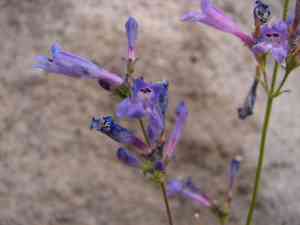
Recognized for its graceful, elongated blossoms and thin stalks, slender penstemon flourishes with consistent trimming. The ideal periods for pruning are from late winter to early spring, right before fresh development commences. Cut back faded flower spikes and any lifeless or compromised stems to foster a denser habit. Trimming improves air movement, lowers the chance of illness, and encourages a more abundant flowering period. Always use sanitized, disinfected implements to avoid transmitting pathogens.
What Are the Benefits of Pruning Slender Penstemon?
What Are the Benefits of Pruning Slender Penstemon?
Slender penstemon thrives with trimming, which promotes vigorous development and maintains its form. Consistent pruning fosters healthier growth, boosts blooming, manages size, enhances appearance, and increases resilience to pests and illnesses.
What Is the Best Time for Pruning Slender Penstemon?
What Is the Best Time for Pruning Slender Penstemon?
Trimming slender penstemon in early spring or late winter is optimal as these periods precede the plant's active growth phase. Pruning during these seasons encourages robust new growth and improves flowering potential. Additionally, late winter pruning can eliminate any damaged or dead wood accumulated over colder months, ensuring the plant has a strong start to the growing season. Early spring pruning coincides with the end of dormancy, allowing the plant to heal quickly and begin vigorous growth, supporting overall plant health and maximum blooms.
What Tools Do I Need to Prune Slender Penstemon?
Hand Pruners
Hand pruners are perfect for making precise cuts on individual stems and smaller branches. They are ideal for managing the delicate stems and removing spent flowers of slender penstemon.
Pruning Shears
Pruning shears can be useful for slightly thicker stems and more significant shaping tasks that might be necessary when pruning slender penstemon.
Pruning Saw
For older, woodier stems that may develop over time, a small pruning saw can be beneficial as it ensures clean cuts without harming the plant.
Disinfectant Spray
Using a disinfectant spray on pruning tools prevents the spread of disease among plants, which is vital when working with multiple plants in the garden, including slender penstemon.
How to Prune Slender Penstemon
Prep
Gather necessary tools including sanitized pruning shears and a disposal bag for removed foliage.
Inspect
Examine slender penstemon closely for any indications of diseased or withered leaves. These can be identified by their discolored, spotted, or shriveled appearance.
Remove Diseased Leaves
Carefully snip away any diseased leaves first, making the cut close to the leaf's base but avoiding damage to the main stem. Dispose of these leaves in the disposal bag to prevent pathogen spread.
Remove Withered Leaves
Trim off withered leaves, ensuring you cut at the base where the leaf meets the stem. Again, be careful not to injure the main stem.
Disposal
Dispose of all trimmed leaves properly, ideally by sealing them in a bag and removing them from the garden area to prevent any potential disease spread.
Common Pruning Mistakes with Slender Penstemon
Over-pruning
Removing too much of the plant at once can stress slender penstemon, leading to poor growth and fewer flowers. It is crucial to prune conservatively to avoid this.
Incorrect cutting technique
Using dull or unclean tools can damage the stems and introduce diseases. Always use sharp, clean pruning shears to ensure clean cuts.
Pruning at the wrong time
Although the best season is addressed elsewhere, it's still common to prune at inappropriate times, resulting in reduced flowering or growth issues.
Ignoring disease or pest signs
Pruning without checking for signs of disease or pest infestation can spread problems. Always inspect slender penstemon before pruning.
Common Pruning Tips for Slender Penstemon
Use sharp, clean tools
Always ensure your pruning shears are sharp and disinfected to make clean cuts and reduce the risk of disease.
Prune dead or diseased stems first
Remove any dead, damaged, or diseased stems before shaping the plant. This helps prevent the spread of disease and encourages healthy growth.
Encourage air circulation
Thin out overcrowded areas of slender penstemon to allow air to circulate through the plant. This helps prevent fungal diseases and promotes overall plant health.
Strategic cut placement
Make cuts just above a node (a point on the stem where leaves are attached) to encourage new growth. Avoid cutting too close to the node to reduce the risk of damage.
Regular maintenance
Perform regular, light maintenance pruning instead of heavy, infrequent cuts. This keeps slender penstemon healthy and well-shaped without stressing the plant.



