How to Propagate Slender penstemon?
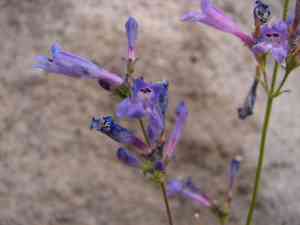
Penstemon gracilis is a perennial herb distinguished by its fragile, elongated blossoms. For propagation, ready a well-draining substrate, plant seeds barely below the top layer, and ensure continuous dampness. Sufficient light exposure is vital for robust development. Administer moderate irrigation, preventing saturation. Optimal development occurs in porous, sandy substrates with a pH ranging from neutral to mildly acidic. Guarantee ample air movement to deter ailments.
Optimal Time for Slender Penstemon Propagation
Propagation Method
Seeding
Propagation Period
Spring
Tools for Slender Penstemon Propagation
Seed Tray
An essential item for initiating slender penstemon seeds. It offers a controlled setting for germination and initial root growth, shielding them from external stresses.
Seed Starting Mix
A premium seed starting mix provides ideal aeration and moisture retention, vital for slender penstemon seed germination. This mix is often sterile, minimizing disease risk.
Spray Bottle
Misting the soil with a spray bottle maintains consistent moisture, crucial for slender penstemon seed germination. The fine mist prevents seed displacement, ensuring even hydration.
Humidity Dome
A humidity dome helps maintain high humidity, creating a mini-greenhouse effect. For slender penstemon, this keeps seeds optimally humid, promoting faster, more reliable germination.
Heating Mat
A heating mat beneath the seed tray provides steady bottom heat, which can boost slender penstemon germination rates by maintaining an ideal soil temperature.
Labels
Labeling each seed tray with the sowing date and slender penstemon name allows tracking growth progress and accurate record-keeping, crucial when propagating various species simultaneously.
Tweezers
For precise sowing, tweezers can evenly place small slender penstemon seeds within the tray. This prevents overcrowding and gives each seed ample space to develop.
Plastic Wrap
Covering the seed tray with plastic wrap can provide necessary humidity before germination. It helps create a consistent environment by retaining moisture while allowing light to reach the seeds.
Propagating Slender Penstemon
Propagation Difficulty
Simple
Post-Propagation Care for Slender Penstemon
Post-Propagation Care for Slender Penstemon
After germination, keep the soil moist but avoid overwatering. Once seedlings have their second set of true leaves, thin them to prevent overcrowding. Transplant stronger seedlings into individual pots or directly into the garden, choosing a spot with well-draining soil and full to partial sunlight. Regularly check for pests and diseases, and provide extra water during dry spells. Mulching around plants helps retain soil moisture and reduces weed competition.
Common Errors to Avoid When Propagating Slender Penstemon
Poor Soil Drainage
Using soil with inadequate drainage can lead to root rot, severely hindering propagation success.
Excessive Watering
Too much water can suffocate roots and encourage fungal diseases, which can be fatal for slender penstemon.
Insufficient Light
Lack of adequate sunlight can result in weak growth and poor development of the cuttings.
Improper Cuttings
Taking cuttings from unhealthy or non-vigorous plant parts reduces the likelihood of successful rooting.
Tips for Propagating Slender Penstemon
Well-Draining Soil
Utilize a sandy or loamy soil mix to ensure proper drainage and prevent waterlogging.
Moderate Watering
Keep the soil moist but not saturated, allowing the top layer to dry between waterings.
Adequate Sunlight
Position cuttings in an area with ample indirect sunlight to promote robust growth.
Healthy Cuttings
Select healthy, vigorous stems when taking cuttings to increase the chances of successful propagation.
Rooting Hormone
Dip cuttings in rooting hormone to stimulate root development and enhance success rates.



