How to Transplant Fendler's penstemon?
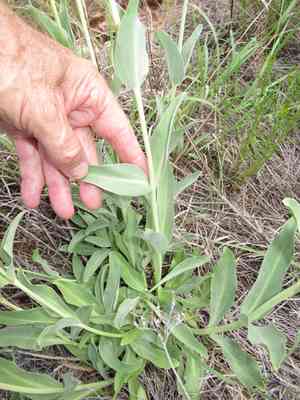
The ideal window for relocating fendler's penstemon extends from the beginning to the end of spring, owing to favorable growing circumstances. Select a bright spot with soil that drains effectively for the transplant. Should it be required, carefully manage the roots to prevent harm.
Necessary Preparations Before Relocating Fendler's Penstemon?
When is the Best Time to Move Fendler's Penstemon?
The prime window for relocating fendler's penstemon spans from early to late spring. During this period, the plant can establish its root system prior to summer's heat, leading to vigorous development. Transplanting within this timeframe ensures fendler's penstemon benefits from moderate temperatures and increased moisture, promoting better acclimation and reduced shock.
What is the Recommended Spacing Between Fendler's Penstemon Plants?
Fendler's penstemon should be positioned approximately 12-18 inches (30-45 cm) apart. This provides ample room for growth without competition for nutrients. Proper spacing aids in ensuring each plant receives sufficient airflow, lowering disease risk.
Which Soil Mixture is Best for Fendler's Penstemon Relocation?
Fendler's penstemon thrives in well-draining soil, ideally sandy or gravelly types. Incorporate some organic compost to enrich the soil and add a balanced, slow-release fertilizer to provide your plants with a nutrient boost for their new environment.
Where Should You Replant Your Fendler's Penstemon?
Fendler's penstemon flourishes in full sun, so select a spot that receives at least 6 hours of direct sunlight daily. This encourages strong plant development and beautiful blooms. Avoid areas with excessive shade, as this can hinder their growth and flowering.
What Tools Should You Prepare Before Relocating Fendler's Penstemon?
Gardening Gloves
To safeguard your hands while handling soil and the plant.
Shovel or Spade
For digging around and carefully lifting the plant from its initial spot.
Watering Can or Hose
To hydrate the plant before and after its move.
Trowel
For making minor adjustments around the planting hole.
Pruners
To trim any damaged roots or foliage.
Wheelbarrow
To transport the plant, especially if it is large.
How Do You Extract Fendler's Penstemon from the Ground?
How Do You Extract Fendler's Penstemon from the Ground?
From Ground: First, moisten the soil around the fendler's penstemon plant. Then, dig a wide trench around the plant using a shovel or spade, ensuring the plant's root ball remains intact. Carefully work the spade beneath the root ball to lift the plant from its original position.From Pot: Water the fendler's penstemon plant thoroughly so the soil is damp but not overly saturated. Gently tap and squeeze the pot's sides to loosen the root ball. Tilt the pot and slowly slide the plant out, supporting the root ball with your hands.From Seedling Tray: Ensure the fendler's penstemon seedlings are well-watered before beginning. Gently push up the seedling from the tray's bottom using your fingers or a small trowel, taking care to keep the root ball whole.
Step-by-Step Guide for Relocating Fendler's Penstemon
Prepare the Hole
Dig a hole in the new location that is twice as wide and the same depth as the root ball of your fendler's penstemon plant.
Positioning the Root Ball
Place the fendler's penstemon plant into the hole, ensuring it sits at the same depth as it did in its previous spot. The top of the root ball should be level with the surrounding soil.
Backfilling
Fill the hole halfway with soil and water it to settle the soil around the roots. Then, fill in the remaining portion of the hole and gently tamp down the soil to remove air pockets.
Watering
Thoroughly water the fendler's penstemon plant immediately after relocation to aid in establishing strong roots.
Mulching
Apply a layer of mulch around the plant's base to retain moisture and suppress weeds. Be sure to leave some space around the stem to prevent rot.
How Do You Care For Fendler's Penstemon After Relocation?
Watering
Keep the soil around the fendler's penstemon consistently moist, but not waterlogged, for the initial few weeks post-transplant to help establish strong roots.
Monitoring
Inspect the plant daily for signs of stress such as wilting, yellowing leaves, or stunted growth. Address any issues promptly to ensure the plant thrives.
Feeding
After the initial recovery period, typically a few weeks, you can begin a regular feeding schedule with a balanced fertilizer suitable for perennials.
Pruning
Trim back any dead or damaged leaves or stems to encourage new growth and maintain a tidy appearance.
Protecting
Watch out for pests and diseases, and take appropriate action if you notice any problems. Consider using organic pest control methods to keep your plant healthy.
Addressing Common Issues with Fendler's Penstemon Relocation.
When is the best time to relocate fendler's penstemon?
Move fendler's penstemon from early spring to late spring when temperatures are mild.
How far apart should fendler's penstemon be planted?
Space fendler's penstemon plants 12-18 inches (30-45 cm) apart for proper growth.
How should I prepare the soil for fendler's penstemon?
Ensure well-drained soil enriched with compost to promote healthy rooting for fendler's penstemon.
What is the ideal location for relocating fendler's penstemon?
Choose a sunny spot with some light shade for optimal growth of fendler's penstemon.
How do I handle the roots of fendler's penstemon during relocation?
Gently loosen the roots to encourage new growth, but avoid damaging them.
How should I water fendler's penstemon after relocating?
Water fendler's penstemon thoroughly after relocating to help settle the soil around the roots.
Is it necessary to mulch around fendler's penstemon?
Applying mulch around fendler's penstemon helps retain moisture and control weeds, enhancing growth.
How can I prevent relocation shock in fendler's penstemon?
Water consistently and provide temporary shade if the weather is too harsh.
Should I fertilize fendler's penstemon after relocating?
Wait a few weeks before applying a balanced fertilizer to avoid root burn.
What pests should I watch out for when relocating fendler's penstemon?
Keep an eye out for aphids and spider mites and manage them promptly.



