How to Prune Fendler's penstemon?
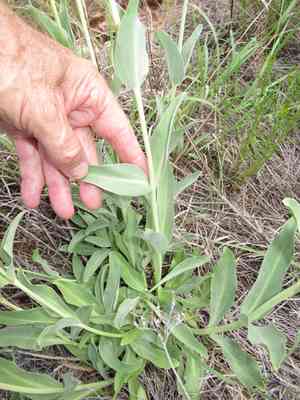
Fendler's penstemon, recognized for its vivid blossoms, requires trimming in late winter or early spring. Concentrate on eliminating deceased or compromised stalks to foster more vigorous development and a visually appealing form. Refrain from extensive cutting to safeguard the subsequent season's flowers. Trimming stimulates abundant blooming and aids in disease prevention by enhancing air movement. For optimal outcomes, utilize sanitized, sharp implements and perform this task yearly, consulting reputable gardening advice.
What Are the Benefits of Pruning Fendler's Penstemon?
What Are the Benefits of Pruning Fendler's Penstemon?
Trimming fendler's penstemon promotes vigorous development and maintains its form. It fosters robust growth, enhances blooms, manages size, deters pests and diseases, and improves overall appearance.
What Is the Best Time for Pruning Fendler's Penstemon?
What Is the Best Time for Pruning Fendler's Penstemon?
Trimming fendler's penstemon in late winter or early spring allows for rapid recovery and encourages healthier development during the upcoming growing season. This timing is ideal because fendler's penstemon's growth cycle resumes as temperatures rise, minimizing frost damage to cut areas and ensuring the plant's energy is directed towards developing strong new shoots and flowers. Additionally, pruning before vigorous growth begins helps shape the plant effectively and promotes a more abundant flowering period.
What Tools Do I Need to Prune Fendler's Penstemon?
Hand pruners
Hand pruners are perfect for fendler's penstemon because they make clean cuts on stems up to 1/2 inch thick. This prevents plant damage and ensures healthy regrowth.
Bypass pruners
Bypass pruners are recommended for fendler's penstemon as they offer a scissor-like action that is gentle on stems, preventing crushing and encouraging quicker healing.
Pruning shears
Pruning shears are useful for fendler's penstemon to trim and shape the plant, maintaining its aesthetic form and stimulating new growth.
Sharp scissors
Sharp scissors can be used for more detailed work on fendler's penstemon, allowing precise cuts on smaller, delicate stems without causing harm.
How to Prune Fendler's Penstemon
Identify
Carefully examine fendler's penstemon for any diseased or withered foliage. Pay close attention to both visible parts and hidden areas within the plant.
Sanitize
Clean and disinfect your pruning tools with rubbing alcohol or a bleach solution to prevent the spread of pathogens.
Trim diseased
Carefully remove any diseased leaves, making clean cuts just below the affected sections. Discard these leaves to prevent potential spread.
Trim withered
Remove any withered leaves by cutting them back to healthy, green tissue. Ensure you do not harm any healthy parts of fendler's penstemon in the process.
Dispose
Collect and dispose of all pruned material properly to avoid contaminating the surrounding area. Maintaining cleanliness helps keep fendler's penstemon healthy.
Common Pruning Mistakes with Fendler's Penstemon
Over-pruning
Many gardeners tend to remove too much of the plant at once, which can stress it and hinder its growth. It's crucial to prune conservatively, removing no more than one-third of the plant at a time.
Incorrect timing
Pruning at the wrong time can impact the plant's blooming cycle. While the best season for pruning is not discussed here, itâs vital to avoid pruning during the plant's active growth or flowering periods.
Improper cutting technique
Making jagged or uneven cuts can damage plant tissue and lead to disease. It's important to use clean, sharp pruning tools and make clean cuts at an angle just above a node or bud.
Common Pruning Tips for Fendler's Penstemon
Use clean tools
Always use sterilized and sharp pruning shears to avoid transferring diseases and to make clean cuts.
Prune for shape and airflow
Trim the plant to maintain a desirable shape and to promote good airflow through the foliage. This helps reduce the risk of fungal infections.
Remove dead or dying stems
Regularly prune out any dead, damaged, or diseased stems to keep the plant healthy and to encourage new growth.
Encourage flowering
Pinch back the tips of young stems to promote branching and a fuller plant. This can also stimulate more flower production.



