How to Propagate Fendler's penstemon?
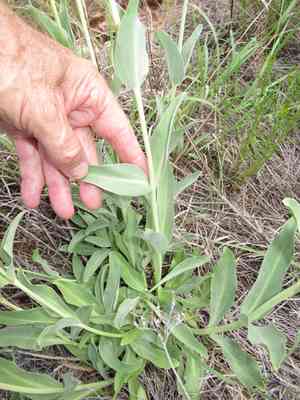
Penstemon fendleri, a perennial indigenous to North America, tolerates arid conditions and is recognized for its blossoms ranging from lavender-blue to purple. Optimal propagation occurs via seeding, with seeds requiring stratification to enhance sprouting. Employ a growing medium that drains effectively and supply moderate hydration until the plants are rooted. Guarantee that young plants receive sufficient sunlight for vigorous development. After establishment, Penstemon fendleri exhibits resilience and requires minimal upkeep, rendering it perfect for water-wise landscaping and indigenous flora collections.
What Is the Best Time To Propagate Fendler's Penstemon?
Propagation Type
Sowing
Propagation Season
Spring
What Tools Are Used in Fendler's Penstemon Propagation?
Seed Trays
Seed trays are crucial for sowing fendler's penstemon, providing a controlled setting for seed germination. Their structured compartments ensure even spacing and minimize seedling competition, fostering robust growth.
Seed Starting Mix
A premium seed starting mix is essential for fendler's penstemon propagation. This sterile, fine-textured medium offers an optimal balance of moisture retention and drainage, promoting strong seedling development.
Humidity Dome
A humidity dome placed over the seed tray helps maintain consistent moisture, vital for fendler's penstemon seed germination. This environment prevents rapid soil drying and supports uniform sprouting.
Heating Mat
Using a heating mat can maintain an ideal soil temperature for fendler's penstemon seed germination. Consistent warmth accelerates the germination process and enhances overall seedling vigor.
Spray Bottle
A spray bottle provides a gentle method for watering fendler's penstemon seedlings. It prevents soil displacement and seed disturbance, ensuring delicate seedlings receive adequate moisture without overwatering.
Labeling Stakes
Labeling stakes are useful for tracking different fendler's penstemon plantings. Proper labeling prevents confusion and ensures each variety is correctly identified throughout the propagation stages.
Transplanting Tool
A small transplanting tool, such as a dibber or fork, is helpful when moving fendler's penstemon seedlings to larger pots or their final location. It minimizes root disturbance and ensures a smooth transition for young plants.
How to Propagate Fendler's Penstemon?
Propagation Type
Easy
How to Care for Your Newly Propagated Fendler's Penstemon?
How to Care for Your Newly Propagated Fendler's Penstemon?
Post-propagation, ensure fendler's penstemon is planted in well-draining soil with full sun exposure. Water thoroughly but infrequently, allowing the soil to dry between waterings. Apply mulch around the plant's base to retain moisture and suppress weeds. Prune spent flowers to encourage more blooms and prevent self-seeding. Monitor for pests and diseases, addressing issues promptly to maintain healthy growth.
Common Mistakes to Avoid When Propagating Fendler's Penstemon
Overwatering
Excessive moisture can lead to root rot and fungal infections, ultimately harming the plant's health and hindering successful propagation.
Poor Soil Drainage
Using soil that drains poorly can create waterlogged conditions, detrimental to root development and overall plant vigor.
Inadequate Light
Insufficient light can result in weak, leggy growth, reducing the plantâs ability to produce healthy roots and foliage.
Using Old Seeds or Cuttings
Old or poorly stored seeds and cuttings have lower viability, leading to poor germination rates or unsuccessful propagation.
Improper Handling of Seeds/Cuttings
Handling seeds or cuttings improperly can damage them, reducing the chance of successful germination or rooting.
Tips For Propagating Fendler's Penstemon
Well-Draining Soil
Ensure the use of well-draining soil to prevent waterlogging and promote healthy root development.
Moderate Watering
Water regularly but ensure the soil is not soggy, maintaining a balance to prevent root rot.
Adequate Light
Provide ample light, preferably bright indirect light, to promote strong and healthy growth.
Fresh Seeds/Cuttings
Utilize fresh seeds or cuttings for better germination and propagation success rates.
Proper Handling
Handle seeds and cuttings gently and with care to avoid damage, ensuring better chances of successful propagation.



