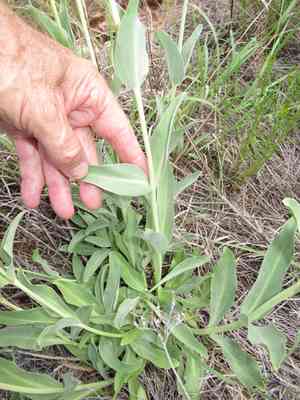
Fendler's penstemon (Penstemon fendleri)
Also known as: Fendler's Penstemon
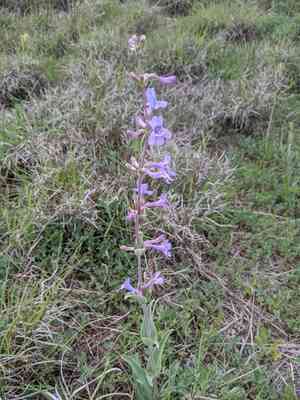
Fendler's penstemon (Penstemon fendleri) features tall, upright stems adorned with tubular lavender to pink flowers. This robust perennial flourishes in the dry, arid environments of the southwestern United States. It has narrow, lance-shaped leaves and a notable sterile stamen, known as a staminode, which helps attract pollinators. It thrives in well-drained, sandy or rocky soils, often found in open woodlands, grasslands, and mountainous areas, preferring full sunlight and demonstrating significant drought tolerance.
In This Article
Attributes of Fendler's penstemon
Lifespan
Perennial
Plant Type
Herb
Plant Height
30 cm to 91 cm
Spread
1-2 feet (30-60 cm)
Leaf Color
Green
Flower Size
1-2 inches (2.5-5 cm)
Flower Color
Pink to purple with a white throat
Images of Fendler's penstemon
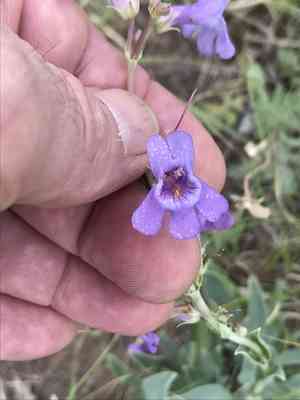
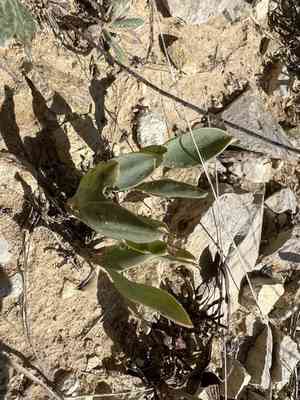
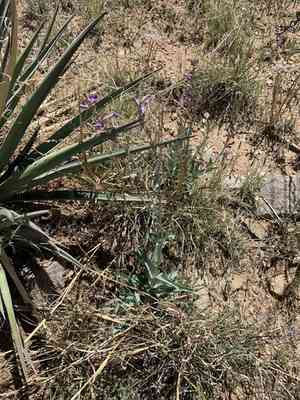
Quickly Identify Fendler's penstemon
1
Penstemon fendleri can be identified by its lance-shaped leaves, which can be slightly toothed, and its trumpet-shaped flowers that range from pink to purple. The flowers usually have a distinctive white throat with darker streaks. The plant often grows in clusters and has a woody base.
Scientific Classification of Fendler's penstemon
Phylum
Vascular plants
Class
Dicotyledons
Order
Lamiales
Family
Plantain
Genus
Penstemon
Species
Fendler's penstemon
Planting and Growing of Fendler's penstemon
Care Difficulty
Moderate
Watering Schedule
Every 2 days
Sunlight Requirements
Full sun
Sunshine Duration
10-12 hours
Ideal Temperature
50-75℉
Soil Type
Potting Mix, Peat Mix
Soil pH
6.5-7.5
Fertilizer Type
Balanced
Pruning Season
Spring, Summer
Pruning Area
Branches, Leaves
Pruning Frequency
2 times a year
Repotting Season
Spring
Pot Type
Plastic, Ceramic
 How to Water Fendler's penstemon?
For Penstemon fendleri, aim to provide approximately 250 ml of water each time. The key is to soak the soil thoroughly until the water starts draining from the bottom of the pot.
What are the symptoms of an underwatered Fendler's penstemon?
›
What should I do if my Fendler's penstemon is not getting enough water?
›
What are the symptoms of an overwatered Fendler's penstemon?
›
How to save an overwatered Fendler's penstemon?
›
 What Are the Sunlight Requirements for Fendler's penstemon?
A combination of full sun to partial sun benefits Penstemon fendleri, providing strong, robust growth and vibrant flowering. This range ensures adequate photosynthetic activity, improving overall plant health and flower quality.
How much sun does Penstemon fendleri need?
›
How to achieve optimal light conditions for Penstemon fendleri?
›
What benefits come from ideal lighting conditions for Penstemon fendleri?
›
 What Is the Ideal Temperature Range for Fendler's penstemon?
The ideal temperature range for growing Penstemon fendleri is between 50°F and 75°F. This range allows the plant to thrive, supporting its biological processes such as photosynthesis and respiration. Maintaining these temperatures ensures optimal growth and the production of healthy flowers. Within this range, environmental stress on the plant is minimized, allowing it to thrive in most temperate climates.
 What Soil is Best for Fendler's penstemon?
Penstemon fendleri thrives in well-drained soil conditions. Good drainage prevents root rot by allowing excess water to escape, keeping the root system healthy. This requirement is essential to ensure that the plant does not suffer from waterlogging, which can lead to fungal diseases. This plant prefers soil with moderate fertility, meaning it does not need overly rich or highly fertilized soil. The ideal soil should provide enough nutrients for healthy growth but not so much that it encourages excessive leafiness over flower production. Using a balanced fertilizer lightly, if needed, can help maintain the right nutrient level. Penstemon fendleri is adaptable but prefers a soil pH ranging from neutral to slightly alkaline. A pH range between 6.5 and 7.5 optimizes nutrient availability in the soil, enabling the plant to absorb what it needs effectively.
 How to Fertilize Fendler's penstemon?
Penstemon fendleri benefits from a balanced approach to fertilization. Use approximately half the recommended amount on the fertilizer label, as this plant thrives in nutrient-poor, well-drained soils. Over-fertilization can lead to foliage growth at the expense of flowers, so moderation is key.
 How to Prune Fendler's penstemon?
Begin by trimming dead or damaged stems to maintain plant health. Cut back to the base of the stem to prevent disease spread. This should be done each pruning season to clear out the canopy. Trim outer branches selectively to shape the plant. Focus on creating an even, rounded appearance, ensuring sunlight penetrates the entire plant, supporting continuous growth. After the initial shape is established, focus pruning on thinning out crowded branches. This encourages air circulation, reduces disease risk, and fosters fuller growth.
More About Pruning Techniques→
 How to Propagate Fendler's penstemon plant?
1
Start by filling seed trays with a well-draining potting mix. Sow the seeds evenly across the tray surface and cover them lightly with soil. Water gently to moisten but not saturate the soil. Keep trays in a warm and sunny location to facilitate germination.
2
Select healthy stems from the parent plant. Using pruning shears, cut a 4-6 inch long piece below a node. Remove lower leaves and allow the cutting to dry slightly to callous before planting in a pot filled with moist, sterile potting mix.
3
Once seedlings or cuttings have developed a strong root system, they can be transplanted into larger pots or an outdoors location. Ensure the new site has well-drained soil and receives adequate sunlight for optimal growth.
 How to Repot Fendler's penstemon plant?
1
Penstemon fendleri signals its need for repotting when the roots encircle the pot or growth slows significantly. Early Spring or Autumn is optimal, as the plant is not in its peak growth phase, minimizing transplant shock.
2
Select a pot slightly larger than the current one, with ample drainage holes. This reduces root rot risk and provides room for root expansion, ensuring healthy and vigorous growth. The material should be breathable, like terracotta, to enhance aeration.
3
Opt for well-draining, gritty soil that mimics its natural habitat. This type of soil prevents waterlogging and supports good root aeration, essential for the vibrant health of Penstemon fendleri, which thrives in rocky, dry environments.
Learn More About Fendler's penstemon Diseases
Bacterial Leaf Spot
Bacterial Soft Rot
Bacterial Wilt
Chemical Injury
Crown Gall
Cyst Nematode
Damping-off
Downy Mildew
Drought Stress
Fusarium Wilt
Gray Mold
Leaf Spot
Mosaic
Nutrient Deficiency
Nutrient Toxicity
Powdery Mildew
Root Rot
Root-knot Nematode
Rusts
Sooty Mold
Spider Mites
Temperature Stress
Thrips Damage
White Mold



