How to Transplant Wild rue?
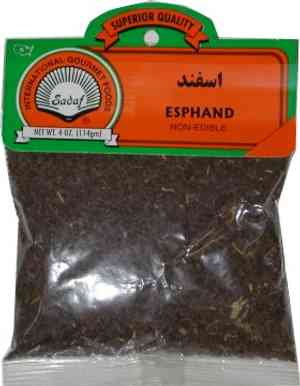
For Peganum harmala, the prime period for transplanting spans from the onset of spring's warmth to the vigor of early summer, guaranteeing strong development. Choose a sunny location with excellent drainage. Carefully managing the root system facilitates effortless integration into its new environment.
Essential Preparations Before Relocating Wild Rue
Optimal Timing for Moving Wild Rue?
The perfect time to move wild rue is during the transition from spring to early summer. This period offers a mild climate, promoting strong root development and growth. Wild rue greatly benefits from the warm soil and gentle temperatures, creating an ideal environment for adaptation and nourishment. Selecting this transplant window provides wild rue with the best start in its new spot, ensuring a flourishing and vibrant display.
Recommended Spacing Between Wild Rue Plants?
Hello, aspiring gardener! Before relocating your wild rue, allow ample room for growth by placing each plant approximately 24-36 inches (61-91 cm) apart. This spacing will enable your wild rues to develop robustly and healthily without competing for nutrients!
Ideal Soil Mixture for Wild Rue Transplantation?
For your wild rue, you'll want to prepare a comfortable bed! Select well-draining soil and enrich it with a balanced, slow-release fertilizer. This nourishing meal will support your wild rue as it settles into its new home. No advanced gardening skills are needed!
Where Should You Replant Your Wild Rue?
Your sun-loving wild rue will flourish with ample sunlight. Choose a location that receives full sun for optimal growth. A sunny spot, meaning at least 6-8 hours of direct sunlight daily, will be perfectly suitable. Your wild rue will bask in the radiance!
Equipment Needed Before Transplanting Wild Rue
Gardening Gloves
To safeguard your hands while handling soil and wild rue.
Shovel or Spade
For excavating wild rue from its current spot and replanting it.
Garden Fork
Helpful for loosening the soil around wild rue during removal.
Pruning Shears
To trim any dead or excessive roots prior to transplanting.
Watering Can
For hydrating wild rue after it has been transplanted.
Wheelbarrow or Plant-Carrying Tarp
To move wild rue from one location to another without causing damage.
Measuring Tape
To determine the depth and width of the planting hole.
How to Extract Wild Rue from the Soil?
How to Extract Wild Rue from the Soil?
From Ground: Gently water wild rue to make the soil more manageable. Use a shovel or spade to create a wide circle around wild rue, being careful not to harm the roots. Gradually work around and beneath wild rue until the root ball is loose, then carefully lift it from the soil.From Pot: Tip the pot sideways and gently tap its sides and bottom to loosen the soil. Grasp the base of wild rue and carefully ease it out of the pot, preserving the soil and root structure.From Seedling Tray: Moisten the soil to make it pliable. Use a tool such as a spoon or a stick to lift the wild rue seedling from its cell, ensuring the root ball and soil are supported.
Step-by-Step Guide for Relocating Wild Rue
Prepare the New Site
Dig a hole that is twice as wide and as deep as the root ball of wild rue.
Examine the Roots
Before transplanting, inspect the roots of wild rue and use pruning shears to remove any dead or broken ones.
Position wild rue
Place wild rue in the center of the new hole at the same depth it was previously growing.
Backfill the Hole
Carefully fill in the area around wild rue with soil, gently tamping it down to eliminate air pockets.
Water Thoroughly
Once wild rue is in place, water it generously to help settle the soil around its roots.
Provide Support
If wild rue is tall or top-heavy, consider staking it to prevent wind damage until it becomes established.
Post-Transplantation Care for Wild Rue
Initial Watering
Provide wild rue with ample water immediately after transplanting to help mitigate transplant shock.
Mulching
Apply a layer of mulch around wild rue to retain moisture, regulate soil temperature, and suppress weed growth.
Monitoring
Observe wild rue for signs of transplant stress, such as wilting leaves, and address them promptly.
Stabilizing
If you have staked wild rue, regularly check the ties to ensure they are not too tight and causing damage to the plant.
Addressing Common Issues During Wild Rue Transplantation.
Why is my wild rue wilting after being moved?
Wilting can result from transplant shock. Ensure adequate watering, minimal root disturbance, and provide shade for wild rue for a few days post-transplant.
When is the best time to transplant wild rue for optimal growth?
Transplant during the mild period of late spring to early summer to give wild rue a strong start.
What spacing should I maintain between my wild rue plants?
Space your wild rue 24-36 inches (60-90 cm) apart to maximize growth and air circulation, reducing disease risk.
What action should I take if wild rue's leaves turn yellow?
Yellow leaves may indicate over-watering or poor drainage. Adjust your watering routine and ensure proper soil drainage.
How deep should I plant wild rue's root ball?
Plant the root ball of wild rue at the same depth it was in its previous container, ensuring a smooth transition.
Is it advisable to transplant wild rue during a heatwave?
It's best to avoid transplanting wild rue during extreme heat. Choose a cooler, overcast day to minimize stress on the plant.
How do I prepare the soil for transplanting wild rue?
Amend the soil with compost and ensure it drains well. Wild rue prefers a neutral to slightly alkaline soil pH.
How much water does wild rue require after transplanting?
Keep the soil of wild rue consistently moist but not waterlogged for the initial weeks to encourage root development.
My wild rue isn't growing after transplant, what's wrong?
Be patient; wild rue might be establishing its roots. If soil, water, and spacing are correct, simply allow wild rue time to adjust.
Is fertilizer necessary when transplanting wild rue?
You can incorporate a slow-release fertilizer during transplanting to support wild rue's growth, but it's not crucial if your soil is already rich.



