How to Propagate Wild rue?
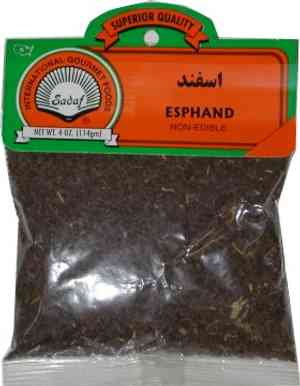
Peganum harmala is a resilient perennial recognized for its delicate leaves and diminutive, pale yellow blossoms. For multiplying Peganum harmala, splitting is the most successful technique. Cultivators ought to meticulously dig around the root zone and carefully detach sections, making sure each piece retains some roots. Performing division while the plant is inactive reduces shock, enabling it to settle more successfully in its new spot.
Optimal Period for Wild Rue Propagation
Propagation Method
Seeding
Propagation Period
Spring
Tools for Wild Rue Propagation
Seed trays
Seed trays are essential for propagating wild rue via seeds. They enable organized seed placement and efficient space utilization. Their divisions help maintain seed order and facilitate individual care and observation during the crucial germination phase.
Potting mix
A well-draining potting mix suitable for starting seeds offers the necessary aeration and moisture retention for wild rue's seeds. The blend should be light yet nutrient-rich to support initial growth without causing waterlogging, which could lead to seed decay.
Misting bottle
A misting bottle is used to gently moisten seeds without dislodging them. For wild rue, which is delicate during germination, maintaining consistent moisture with a misting bottle can boost germination rates and support early seedling growth.
Grow lights
If propagating indoors, grow lights are beneficial for wild rue to ensure adequate light exposure, vital for healthy germination and seedling development. Grow lights help regulate the light cycle and intensity, mimicking natural conditions wild rue needs for optimal growth.
Heat mat
A heat mat provides a steady warmth source, important for maintaining the ideal soil temperature required for wild rue seed germination. This tool is especially useful in colder climates or during cooler months, where ambient temperatures might hinder germination.
How to Propagate Wild Rue?
Propagation Type
Simple
Caring for Your Newly Propagated Wild Rue
Caring for Your Newly Propagated Wild Rue
After successful wild rue propagation, move the young plants to a sunny location where they receive at least 6 hours of direct sunlight daily. These plants prefer dry, well-drained soil and tolerate drought well, so water sparingly, only when the soil has completely dried out. Avoid overwatering to prevent root rot. Regularly check for pests like aphids and spider mites, and treat infestations promptly. Wild rue does not require frequent fertilization; a light feeding once in spring with a balanced fertilizer is sufficient.
Common Errors to Avoid When Propagating Wild Rue
Overwatering
Excessive watering of wild rue can lead to root rot, as the plant prefers drier conditions. Overwatering can hinder proper root development and diminish the plant's overall health, potentially causing its demise.
Deep planting of seeds
Planting seeds too deeply can obstruct their germination due to insufficient access to light and air. This error can significantly reduce the germination rate of wild rue.
Using overly rich soil
While some plants thrive in nutrient-rich soils, wild rue performs better in poor, well-drained soils. Using soil that is too rich can result in excessive foliage with poor flowering and weakened overall plant vitality.
Tips For Propagating Wild Rue
Scarification of seeds
The hard seed coat of wild rue can impede water absorption, which is necessary for germination. Gently scarifying the seeds can improve water intake and enhance germination rates.
Proper soil preparation
Using a well-draining, sandy soil mimics wild rue's natural growing conditions, helping to prevent issues like root rot while providing an environment conducive to growth.
Controlled watering
Establish a moderate watering regimen for wild rue, ensuring the soil is not waterlogged. Allow the top layer of soil to dry out between watering sessions to mimic the dry conditions wild rue is adapted to thrive in.



