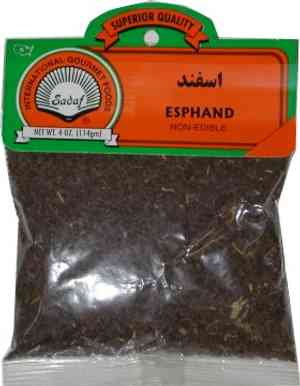
Wild rue (Peganum harmala)
Also known as: African rue, Harmel, Harmal shrub, Ozallaik, Mexican rue, Aspand
Peganum harmala, commonly known as wild rue, is a perennial herbaceous shrub originating from southeast Europe. It can reach a height of 91 cm and features delicate, succulent leaves and stems. This plant produces small white flowers that bloom sporadically from spring to fall, varying by location. In some regions, it is regarded as a weed.
In This Article
Attributes of Wild rue
Lifespan
Perennial
Plant Type
Herb
Plant Height
30 cm to 80 cm
Spread
50 cm
Leaf Color
Green
Flower Size
2 cm to 3 cm
Flower Color
White
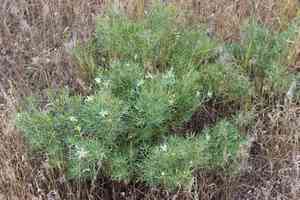
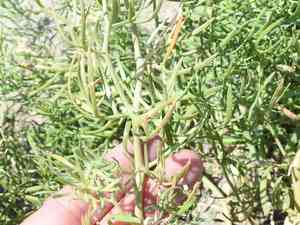
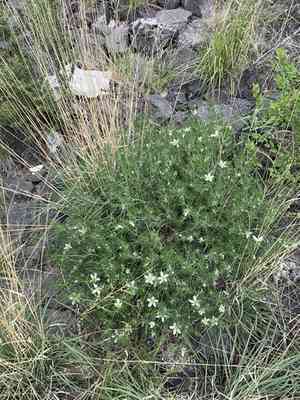
Images of Wild rue
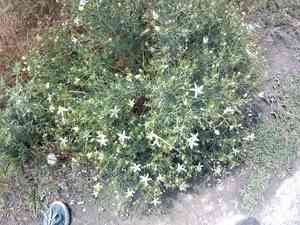
Quickly Identify Wild rue
1
This plant can be identified by its branched, woody stem and its small, narrow leaves. The flowers are white, five-petaled, and tend to bloom in clusters. Its seed pods are distinctive, containing numerous dark brown seeds.
Scientific Classification of Wild rue
Phylum
Vascular plants
Class
Dicotyledons
Order
Sapindales
Family
Tetradiclidaceae
Genus
Peganum
Species
Wild rue
Planting and Growing of Wild rue
Care Difficulty
Easy
Watering Schedule
Every 2 days
Sunlight Requirements
Full sun
Sunshine Duration
4-8 hours
Ideal Temperature
77-86℉
Soil Type
Potting Mix, Peat Mix
Soil pH
6.5-7.5
Fertilizer Type
Balanced
Pruning Season
Spring, Summer
Pruning Area
Branches, Leaves
Pruning Frequency
2 times a year
Repotting Season
Spring
Pot Type
Plastic, Ceramic
 How to Water Wild rue?
Peganum harmala thrives when provided with moderate watering. The soil should be allowed to dry out between waterings. Ideally, water until the top 2-3 centimeters of soil is moist, approximately 150ml per watering session. It's crucial not to overwater, as this plant prefers drier conditions and can suffer from root rot if left in waterlogged soil.
What are the symptoms of an underwatered Wild rue?
›
What should I do if my Wild rue is not getting enough water?
›
What are the symptoms of an overwatered Wild rue?
›
How to save an overwatered Wild rue?
›
 What Are the Sunlight Requirements for Wild rue?
Peganum harmala prefers full sun to partial sun conditions, flourishing when exposed to about 6 to 8 hours of sunlight daily. This level of exposure enhances its photosynthetic capabilities, allowing for vigorous growth and optimal flowering.
More About Sunlight Requirements Techniques→
Question: What are the best lighting conditions for Peganum harmala?
›
 What Is the Ideal Temperature Range for Wild rue?
For Peganum harmala, the ideal temperature range is between 77°F and 86°F. These conditions closely simulate its native environment, allowing the plant to perform essential processes like photosynthesis and nutrient uptake effectively. Ensuring the temperature stays within this range promotes healthy growth and flowering.
 What Soil is Best for Wild rue?
Peganum harmala thrives in well-drained soils that prevent water from pooling around the roots. This type of soil ensures that the roots have enough oxygen and protects the plant from root rot and fungal infections. While Peganum harmala can grow in poor soils, it benefits from moderate fertility. A soil with balanced nutrients supports healthy growth, ensuring the plant has the resources needed for robust foliage and flowering. Peganum harmala prefers soils that do not retain excessive moisture. This trait is especially beneficial in preventing over-watering, allowing the plant to flourish without succumbing to water stress.
 How to Fertilize Wild rue?
Peganum harmala benefits from moderate fertilization. Use a balanced liquid fertilizer diluted to half strength, about 10 ml per liter of water, for liquid applications. For solid fertilizers, use around 50 grams per plant when applying slow-release formulations. This ensures the plant receives adequate nutrients while preventing nutrient burn.
 How to Prune Wild rue?
Start by removing any dead, diseased, or damaged parts of the plant using clean, sharp shears. Next, trim back any overly long branches to their base to help maintain the plant's shape and size. Aim to cut just above a leaf node to encourage bushier growth. Focus on thinning out crowded areas to improve light penetration and air circulation throughout the plant. This not only invigorates growth but also minimizes the risk of fungal infections and promotes a healthier plant overall.
More About Pruning Techniques→
 How to Propagate Wild rue plant?
1
Soak Peganum harmala seeds in water for 24 hours before sowing. This helps to soften the seed coat, improving water absorption and speeding up germination.
2
Fill the seed tray with a fine potting mix and gently press the seeds into the soil surface. Cover them lightly with a thin layer of soil to protect them and prevent them from drying out.
3
Water the soil gently to avoid displacing the seeds. Keep the soil consistently moist, but not waterlogged, to ensure successful germination and healthy seedling development.
 How to Repot Wild rue plant?
1
Peganum harmala should be repotted when you notice roots emerging from the drainage holes or if the plant seems root-bound, meaning the roots have taken up all the available space. Another signal is reduced growth or wilting, indicating that it's not getting enough nutrients or water in its current pot.
2
Select a pot that is only slightly larger than the current one, with ample drainage holes at the bottom. This prevents overwatering, which can lead to root rot. A terracotta pot is a great choice as it allows the soil to dry out between watering sessions, reflecting the natural conditions this plant prefers.
3
Opt for a well-drained sandy soil, which mimics the plant's native arid environment. Such soil ensures that water doesn't sit around the roots, reducing the risk of root rot, while providing just enough structure for root stability and growth.
Toxicity
Ingestion of seeds or plant parts
WARNING
The judgment on toxicity and danger is for reference only. We DO NOT GUARANTEE any accuracy of such judgment. Therefore, you SHALL NOT rely on such judgment. It is IMPORTANT TO SEEK PROFESSIONAL ADVICE in advance when necessary.
Learn More About Wild rue Diseases
Bacterial Leaf Spot
Bacterial Soft Rot
Chemical Injury
Crown Gall
Damping-off
Downy Mildew
Drought Stress
Fusarium Wilt
Gray Mold
Leaf Spot
Mosaic
Nutrient Deficiency
Nutrient Toxicity
Powdery Mildew
Root Rot
Root-knot Nematode
Rusts
Sooty Mold
Spider Mites
Temperature Stress
Thrips Damage
White Mold



