How to Prune Wild rue?
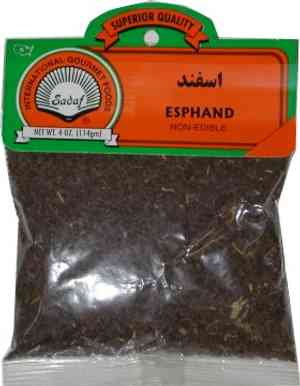
A hardy perennial featuring sturdy seed capsules, wild rue thrives in dry environments. Trim away deceased or frail stalks to encourage vigorous development and seed yield. Optimal pruning occurs in spring following the final frost, though it can also be reduced in summer or autumn to control the plant's dimensions and form. Refrain from severe cutting; gentle shaping is adequate. Advantages of pruning encompass improved air circulation, diminished susceptibility to ailments, and the encouragement of fresh shoots, guaranteeing wild rue stays lively and thriving.
Advantages of Trimming Wild Rue
What Are the Benefits of Pruning Wild Rue?
Trimming wild rue promotes abundant flowering, stimulates growth, and maintains its desired shape, which is crucial for both aesthetic appeal and plant health.
Optimal Time for Pruning Wild Rue
What Is the Best Time for Pruning Wild Rue?
Spring is the ideal time for pruning wild rue as the plant emerges from its winter dormancy, leading to vigorous growth. Timely pruning during this season helps shape the plant and encourages robust new development. Fall is another suitable period for pruning wild rue, typically after its flowering and fruiting cycles conclude. Pruning in Fall helps eliminate dead or dying growth before dormancy, which can enhance overall plant health and vitality for the subsequent growing season. Summer pruning is generally not advised for wild rue as it may stress the plant during its peak growth and reproductive phase. Additionally, high summer temperatures can increase the risk of disease and pest infestation at fresh cut sites.
Essential Tools for Pruning Wild Rue
Hand Pruners
Perfect for cutting stems and branches up to 3/4 inch in diameter, which is usually sufficient for wild rue's relatively slender stems.
Gloves
Protective gloves are necessary because wild rue contains alkaloids that can irritate the skin upon contact.
Pruning Saw
For mature wild rue plants with thicker woody stems that hand pruners cannot manage, a pruning saw might be needed.
Loppers
If wild rue has developed into a small shrub with branches between 1.5 to 2 inches thick, loppers will provide the necessary leverage for clean cuts.
How to Prune Wild Rue
Sterilize
Before trimming wild rue, ensure all pruning tools are disinfected to prevent the spread of diseases.
Remove Diseased Leaves
Carefully remove any diseased foliage from wild rue using sharp pruning shears, making clean cuts to avoid damaging healthy parts.
Trim Withered Leaves
Cut away withered leaves from wild rue to encourage new growth and improve air circulation, trimming back to the stem's base.
Deadhead Flowers
Remove spent flowers on wild rue by cutting them at the base of the bloom to promote continuous flowering.
Clean Up
After pruning wild rue, clear away all removed plant material from the area to minimize the risk of disease and pests.
Common Pruning Errors with Wild Rue
Overpruning
Removing too much growth at once can stress wild rue, leading to reduced vigor or even plant demise.
Improper Cut Location
Cutting too far from a node can result in unsightly stubs, while cutting too close can harm the node, hindering regrowth.
Using Dull Tools
Pruning with blunt instruments can crush stems and branches, potentially leading to infection and poor healing in wild rue.
Tearing Stems
Instead of making clean cuts, accidentally tearing stems occurs when using improper technique, which can harm wild rue.
Pruning Healthy Growth
Unnecessarily cutting away healthy parts of wild rue will not improve the plant's shape or productivity and can be detrimental.
Ignoring Diseased Material
Failing to remove dead or diseased parts during pruning can allow infection to spread throughout wild rue.
General Pruning Advice for Wild Rue
Sterilize Tools
Before pruning wild rue, disinfect all tools to prevent the spread of disease.
Clean Cuts
Ensure cuts are clean and precise, just above a node or a lateral branch, to promote healthy regrowth.
Shape Maintenance
Prune wild rue to maintain its desired shape, but be careful not to remove too much foliage, which can weaken the plant.
Remove Dead Material
Regularly remove dead or diseased branches to maintain the health and appearance of wild rue.
Thinning
Wild rue benefits from occasional thinning to improve air circulation, which reduces the risk of disease.
Selective Pruning
Prune selectively to encourage flowering and to maintain a balanced structure without compromising the natural form of wild rue.



