How to Transplant Curve-beak lousewort?
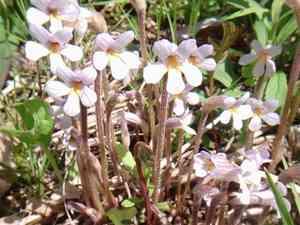
The optimal period for transplanting curve-beak lousewort spans from the onset of early spring's thaw through the lushness of late spring, allowing root systems to become established prior to the intense summer warmth. Select a location featuring damp, adequately draining earth and filtered sunlight. Careful manipulation is crucial to safeguard fragile roots.
What Preparations are Needed Before Transplanting Curve-beak Lousewort?
What is the Ideal Time for Transplanting Curve-beak Lousewort?
The optimal period for moving curve-beak lousewort is during the revitalizing months of early to late spring. This timing allows curve-beak lousewort to settle in milder temperatures, benefiting from the typically moist soil conditions of spring. Plant vigor is enhanced due to the season's gentle weather, promoting root development before the summer heat. In spring, the soil is just awakening, providing a nourishing environment for curve-beak lousewort to flourish post-transplant, ensuring a smooth transition and a strong start to the growing season.
How Much Space Should You Leave Between Curve-beak Lousewort Plants?
Before introducing curve-beak lousewort to its new location, ensure ample room for root expansion! Aim for a comfortable spacing of approximately 12-18 inches (30-46 cm) apart. This will allow your curve-beak lousewort to grow without feeling cramped and ensure proper air circulation.
What is the Best Soil Mix for Curve-beak Lousewort Transplanting?
Prepare your digging tool to provide curve-beak lousewort with well-draining soil. Incorporate a light application of base fertilizer â a balanced, slow-release type works wonders. Consider it like preparing a nourishing meal that sustains your curve-beak lousewort over time!
Where Should You Relocate Your Curve-beak Lousewort?
Finding the perfect sunny spot is like selecting the prime seating for curve-beak lousewort. A location receiving several hours of gentle sunlight daily will make your curve-beak lousewort thrive. Too much direct sun, however, might necessitate a sunshade!
What Equipments Should You Prepare Before Transplantation Curve-beak Lousewort?
Gardening Gloves
To safeguard your hands while handling soil and plants.
Spade or Shovel
For excavating and lifting the curve-beak lousewort plant.
Soil Knife or Trowel
To loosen the soil around the roots and assist with extraction.
Watering Can or Hose
To hydrate the curve-beak lousewort before and after the transplanting process.
Wheelbarrow or Plant Tray
To transport the curve-beak lousewort from its original spot to the new planting site.
Garden Fork
To aerate and loosen the soil at the new planting location.
Pruning Shears
To trim any damaged roots or foliage prior to transplanting.
How Do You Remove Curve-beak Lousewort from the Soil?
How Do You Remove Curve-beak Lousewort from the Soil?
From Ground: First, water the curve-beak lousewort to moisten the soil, facilitating easier plant removal. Using a spade or shovel, dig a circle around the plant, leaving ample space to avoid damaging the root system. Carefully slide the spade beneath the root ball and gently lift the plant from the ground.From Pot: Water the curve-beak lousewort to aid root ball extraction. Tilt the pot sideways and gently tap the bottom to loosen the root ball. Grasp the plant's base and slowly ease it out of the pot while supporting the root ball with your other hand.From Seedling Tray: Water the seedling to keep the roots intact. Use a soil knife or trowel to gently separate the individual curve-beak lousewort seedling from its compartment, supporting the root ball to prevent disruption.
Step-by-Step Guide for Transplanting Curve-beak Lousewort
Prepare New Site
At the new location, dig a hole twice the width and the same depth as the curve-beak lousewort's root ball.
Root Ball Inspection
Gently examine the curve-beak lousewort's root ball, and use pruning shears to snip away any broken or excessively long roots.
Positioning
Place the curve-beak lousewort in the center of the hole, ensuring the top of the root ball is level with the surrounding soil.
Fill In Hole
Carefully backfill the hole with soil around the root ball. Gently firm the soil to eliminate air pockets without over-compacting it.
Water Thoroughly
Water the curve-beak lousewort generously immediately after planting to settle the soil and hydrate the roots.
Mulching
Apply a layer of mulch around the base of the curve-beak lousewort to help retain moisture and regulate soil temperature.
How Do You Care For Curve-beak Lousewort After Transplanting?
Initial Watering
Water the curve-beak lousewort deeply after transplanting and then regularly, keeping the soil moist to encourage root growth.
Mulch Application
Maintain a layer of mulch around the curve-beak lousewort to conserve water and reduce weed competition.
Monitoring
Observe the curve-beak lousewort for signs of stress, such as wilting or discolored leaves, and adjust care as necessary.
Gentle Feeding
After a few weeks, once the curve-beak lousewort has acclimated to its new location, consider a light application of slow-release fertilizer to encourage robust growth.
Troubleshooting Common Issues with Curve-beak Lousewort Transplantation.
What's the optimal timeframe for transplanting curve-beak lousewort?
The best time to transplant curve-beak lousewort is from the beginning of early spring to the end of late spring.
How far apart should I space curve-beak lousewort during transplanting?
Allow each curve-beak lousewort a spread of approximately 12-18 inches (30-45 cm), ensuring adequate room for growth.
What should I do if curve-beak lousewort wilts after transplanting?
Ensure curve-beak lousewort receives sufficient water and shade. Wilting can indicate stress from excessive sun or dry soil.
Why is my curve-beak lousewort not thriving post-transplant?
Examine the soil quality, watering schedule, and sunlight exposure. Soil amendments or adjustments to irrigation may be required.
How deep should I plant the curve-beak lousewort root ball?
The root ball of curve-beak lousewort should be positioned level with the surrounding soil surface, not too deep to prevent stem rot.
Is it necessary to prune curve-beak lousewort during transplant?
Light pruning can help reduce transplant shock, but be gentle. Only trim dead or excessively long roots.
Can I transplant curve-beak lousewort in wet soil conditions?
Transplanting curve-beak lousewort in overly wet soil may lead to root rot. Wait for the soil to be moist but not waterlogged.
How do I prepare a transplanting site for curve-beak lousewort?
Select a location with appropriate light and well-draining soil. Loosen the soil and incorporate compost for nutrients.
Should I fertilize curve-beak lousewort after transplanting?
Wait for curve-beak lousewort to establish before fertilizing. Over-fertilizing can damage roots and stress the newly transplanted plant.
What are signs of transplant shock in curve-beak lousewort?
Drooping or yellowing leaves and slowed growth indicate transplant shock. Maintain consistent care as the plant recovers.



