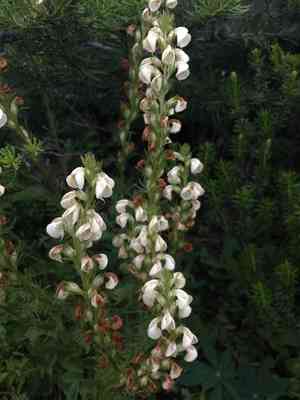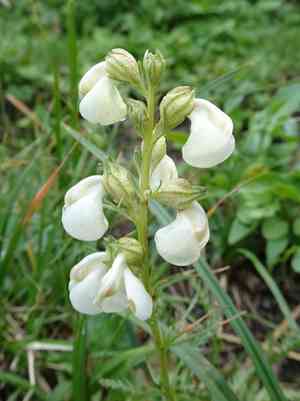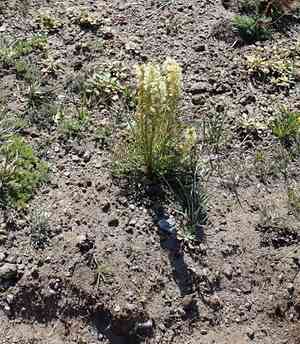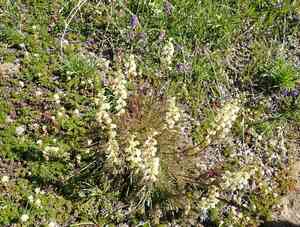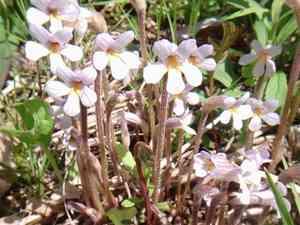
Curve-beak lousewort(Pedicularis contorta)

Curve-beak lousewort (Pedicularis contorta)

Also known as: Curved-beak lousewort

The curve-beak lousewort (Pedicularis recurva) is a perennial herb that thrives in moist alpine and subalpine meadows. It features elongated racemes of pink to purplish flowers that appear during the summer months. This plant is particularly notable for its hemiparasitic nature, as it derives some nutrients by attaching to the roots of neighboring plants.

Ecologically, the curve-beak lousewort is significant as it supports various pollinators, such as bees and butterflies, by providing a vital nectar source. Additionally, while it serves as an important food source for certain caterpillars, it is toxic to humans if ingested in large quantities. This interplay with its environment highlights its role in maintaining the balance within its native ecosystems.

Attributes of Curve-beak lousewort

Lifespan
Perennial
Plant Type
Herb
Plant Height
15 cm to 41 cm
Spread
Not typically measured, as this plant does not have a distinct crown.
Leaf Color
Green
Flower Size
1-2 cm
Flower Color
Yellow Green Purple

ForwardPlant - Identify plants with a snap

Identify and diagnose plants, get toxicity alerts, and explore safety guides for all types of fungi.

Try for Free

Images of Curve-beak lousewort

Curve-beak lousewort(Pedicularis contorta)

Quickly Identify Curve-beak lousewort

1
This plant can be identified by its twisted flower petals, which are usually white or pale pink. The leaves are deeply lobed and fern-like. It typically grows around 10-45 cm tall and prefers moist, alpine environments.

Scientific Classification of Curve-beak lousewort

Phylum
Vascular plants
Class
Dicotyledons
Order
Lamiales
Family
Broomrape
Genus
Pedicularis
Species
Curve-beak lousewort

Planting and Growing of Curve-beak lousewort

Care Difficulty
Moderate
Watering Schedule
Every 2 days
Sunlight Requirements
Partial sun
Sunshine Duration
4-8 hours
Ideal Temperature
50-70℉
Soil Type
Potting Mix, Peat Mix
Soil pH
6-7.5
Fertilizer Type
Balanced
Pruning Season
Spring, Summer
Pruning Area
Branches, Leaves
Pruning Frequency
2 times a year
Repotting Season
Spring
Pot Type
Plastic, Ceramic

water icon How to Water Curve-beak lousewort?

The watering amount for Pedicularis contorta should allow the soil to become moderately moist but not soggy. Aim for approximately 250 ml of water per session, ensuring it seeps down to the root level. This plant thrives in a balance where the soil remains neither too dry nor waterlogged.
What are the symptoms of an underwatered Curve-beak lousewort? ›
What should I do if my Curve-beak lousewort is not getting enough water? ›
What are the symptoms of an overwatered Curve-beak lousewort? ›
How to save an overwatered Curve-beak lousewort? ›

sunlight icon What Are the Sunlight Requirements for Curve-beak lousewort?

Sunlight Requirements: Partial sun, Full sun
Duration of light: 4 to 6 hours daily
Pedicularis contorta ideally benefits from partial to full sun exposure. This range stimulates active growth phases and boosts photosynthetic activity necessary for biomass production.
What type of light does Pedicularis contorta prefer? ›
How to achieve the ideal lighting conditions for Pedicularis contorta? ›
Benefits of ideal lighting on Pedicularis contorta? ›

temperature icon What Is the Ideal Temperature Range for Curve-beak lousewort?

Ideal Temperature: 50 ~ 70℉
The ideal temperature range for Pedicularis contorta is between 50°F to 70°F. This range ensures optimal growth and development, providing the plant with the right environmental conditions to thrive. Stable temperatures within this range help in maintaining its metabolic activities and cellular functions efficiently.

soil icon What Soil is Best for Curve-beak lousewort?

Soil type: Sandy soil, Loam
Soil PH: 6 ~ 7.5
Pedicularis contorta thrives in well-drained soil which prevents root rot and ensures efficient nutrient uptake. This is critical for maintaining the plant's health and promoting vigorous growth. While drainage is crucial, the soil should also be able to retain some moisture to keep the roots hydrated. This balance helps the plant survive varying environmental conditions. The soil must be rich in organic matter as it provides necessary nutrients. This contributes to lush foliage and vibrant flower production, enhancing the plant's aesthetic appeal.

fertilize icon How to Fertilize Curve-beak lousewort?

Fertilizer type: Balanced
For Pedicularis contorta, apply a balanced liquid fertilizer diluted to half strength. Use approximately 1 tablespoon per gallon of water during active growth periods. It's important not to overdo it, as this delicate plant prefers a low nutrient environment.

prune icon How to Prune Curve-beak lousewort?

Pruning Time: Summer
Start by identifying any damaged, diseased, or dead stems on the Pedicularis contorta. These should be cut back to prevent the spread of disease and to promote healthy growth. Use sharp, sterilized pruning shears for a clean cut, which helps the plant to heal more rapidly. Carefully trim back any overgrown or leggy sections of the plant to maintain an aesthetically pleasing shape. This not only keeps the plant looking neat but also allows sunlight and air to reach the inner branches, which is essential for overall health. After the main trim, pinch back new growth slightly. This can encourage lateral branching, leading to a bushier appearance in the upcoming growth season. Focus on pinching just the tips of the plant to encourage this bushy growth. More About Pruning Techniques→

propagate icon How to Propagate Curve-beak lousewort plant?

Propagate Time: Spring, Early summer
1
Collect seeds from mature Pedicularis contorta plants. Ensure seeds are fully ripe by checking their plumpness and browning. Store seeds in a dry, cool place until you commence propagation.
2
Fill the seed tray with sterilized potting soil. Leave some space near the rim for watering ease. Ensure the soil is moist but not waterlogged before planting the seeds.
3
Distribute the seeds evenly on the soil surface in the seed tray. Press them gently into the soil without completely covering them, ensuring they receive adequate light for germination.

repot icon How to Repot Curve-beak lousewort plant?

Repotting frequency: Every 2-3 years
1
Repot Pedicularis contorta when you notice its roots protruding from the drainage holes or the plant's growth has slowed dramatically. Spring or autumn is ideal as the plant enters its active growth phase, ensuring it adapts swiftly to new surroundings and expanded space.
2
Select pots with drainage holes to prevent water logging. A slightly larger pot than the current one encourages healthy root expansion without overwhelming the plant. Clay pots can help wick away excess moisture, ideal for plants needing well-drained conditions.
3
Opt for well-draining acidic soil, like a mix incorporating peat and sand. This blend mimics its native alpine habitat, providing excellent drainage and ensuring the roots have access to necessary nutrients while preventing root rot.

ForwardPlant - Identify plants with a snap

Find the best spots for them to optimize their health, simply using your phone.

Try for Free