How to Prune Curve-beak lousewort?
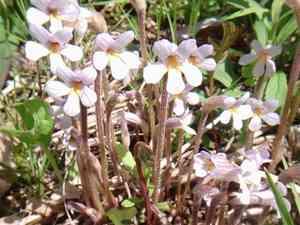
This enduring herbaceous plant flourishes in high-altitude and mountainous environments, recognized by its unique curved blossom structures. For curve-beak lousewort, remove withered or injured stalks in the early spring to foster robust development. Trimming in summer, following the blooming period, helps manage its form and inhibits seed scattering, which is vital for regulating its proliferation. Pruning stimulates denser growth, improves the plant's well-being, and guarantees vitality for the subsequent flowering season. Employ sanitized, sharp implements to prevent the spread of pathogens during this procedure.
What Are the Benefits of Pruning Curve-beak Lousewort?
What Are the Benefits of Pruning Curve-beak Lousewort?
Trimming curve-beak lousewort promotes robust development and maintains its form, crucial for its overall health and visual appeal. Strategic cutting back helps this species direct energy towards strong growth.
What Is the Best Time for Pruning Curve-beak Lousewort?
What Is the Best Time for Pruning Curve-beak Lousewort?
The chosen periods, late spring and early summer, are ideal for pruning curve-beak lousewort due to factors related to its growth cycle and physiological needs. In late spring, curve-beak lousewort is actively growing, and pruning then stimulates new growth, removes winter-damaged or diseased tissue, and shapes the plant before it flowers. Pruning in early summer is beneficial as it allows gardeners to trim growth after the spring bloom, directing the plant's energy to produce stronger, healthier foliage instead of seeds. This timing aligns with curve-beak lousewort's natural growth cycle, encouraging vigorous growth while minimizing stress or damage. Proper timing during these seasons leverages the plant's dormancy break and aids in pest and disease management by early removal of potential infestations. It is also vital for maintaining curve-beak lousewort's aesthetic form and preventing unnecessary flower loss if done later when the plant is preparing for or undergoing its blooming phase.
What Tools Do I Need to Prune Curve-beak Lousewort?
Bypass Pruners
Perfect for making clean cuts on the slender stems of curve-beak lousewort, ensuring minimal harm to the plant's delicate tissues.
Gardening Gloves
Protects hands from potential irritants or sharp edges when handling curve-beak lousewort, especially if it grows near other prickly plants.
Pruning Shears
Useful for trimming dead or overgrown sections on curve-beak lousewort without causing undue stress to the plant.
Scissors
For light maintenance like deadheading or shaping curve-beak lousewort, sharp scissors offer precision and gentleness.
Fine-toothed Pruning Saw
If curve-beak lousewort has woody, thicker stems that pruners or shears cannot handle, a fine-toothed saw provides a smooth cut without tearing the bark.
How to Prune Curve-beak Lousewort
Identify
Examine curve-beak lousewort thoroughly to locate diseased leaves, withered foliage, and unhealthy stems. Look for signs of discoloration, spots, or unusual growth patterns indicating poor health.
Sanitize
Before pruning curve-beak lousewort, disinfect your tools with a 10% bleach solution or isopropyl alcohol to prevent disease spread. Allow tools to dry completely before use.
Trim Leaves
Carefully remove diseased and withered leaves from curve-beak lousewort using sharp, clean scissors or pruning shears. Cut close to the leaf base, but avoid damaging stems or nearby healthy leaves.
Trim Stems
To remove diseased stems from curve-beak lousewort, make a clean cut with sanitized pruning shears just above a healthy leaf node or stem joint. Ensure the cut is angled to allow water to drain, preventing accumulation that could lead to further disease.
Dispose
Properly discard all removed diseased and withered parts of curve-beak lousewort. Do not compost these materials as they may harbor pathogens; instead, seal them in a bag and dispose of them in the trash to prevent infection spread.
Common Pruning Mistakes with Curve-beak Lousewort
Over-pruning
Removing too much foliage can stress curve-beak lousewort, reducing its vigor and flowering capacity.
Improper cutting technique
Using dull blades or making jagged cuts can harm curve-beak lousewort's stems and make the plant vulnerable to diseases.
Pruning at the wrong growth stage
Cutting back curve-beak lousewort when it's forming buds or flowering can inadvertently decrease the number of blooms.
Not disinfecting tools
Failing to sterilize pruning tools before use can introduce pathogens to curve-beak lousewort, leading to infections.
Ignoring dead or diseased stems
Not removing dead or unhealthy tissue can hinder curve-beak lousewort's growth and encourage disease spread.
Common Pruning Tips for Curve-beak Lousewort
Clean cuts
Ensure cuts on curve-beak lousewort are made with sharp, clean tools to minimize damage and promote rapid healing.
Deadheading
Removing spent flowers encourages more blooms and prevents curve-beak lousewort from expending energy on seed production.
Thinning out
Thin out crowded stems to improve air circulation; this helps prevent fungal diseases in curve-beak lousewort.
Shaping
Maintain curve-beak lousewort's natural shape, focusing on trimming irregularities and encouraging a balanced structure.
Health inspection
Regularly inspect curve-beak lousewort during pruning for signs of pests or diseases and address any issues promptly.



