The Curve-beak lousewort Plant Advantage: Maximizing Home and Office Appeal and Wellness
1
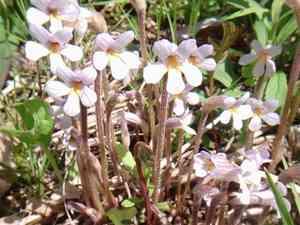
Curve-beak lousewort flourishes in elevated regions, establishing it as a robust flora in harsh climates.
2
The distinctive floral arrangement of Curve-beak lousewort plays a crucial role in regional pollination.
3
Curve-beak lousewort offers visual appeal, enhancing the natural scenery with its characteristic look.
What Makes Curve-beak lousewort Unique?
Adaptations to High-Altitude Environments
A key characteristic of Curve-beak lousewort is its remarkable capacity to flourish in elevated regions. This adaptation is vital as it ensures the plant's survival and supports the broader ecosystem. Its robust nature allows it to withstand harsh weather, from intense sun to rapid temperature shifts, aiding in stabilizing mountainous terrain.
Unique Floral Structure
Curve-beak lousewort is defined by its distinct flower shape, which plays a crucial role in local pollination. The curved form of its blossoms is not only visually appealing but also functional, facilitating pollen transfer by attracting specific pollinators. This feature enhances the genetic diversity of plant communities in its habitat, fostering a healthier ecosystem.
Ecological Benefits of Curve-beak lousewort
Supporting Biodiversity
Curve-beak lousewort is instrumental in fostering biodiversity in its native areas. Its presence draws various pollinators, including bees and butterflies, essential for many plant species' reproduction. Additionally, it serves as a vital resource for local wildlife, offering nectar and shelter for insects and birds. This interconnectedness underscores its importance in maintaining a balanced, thriving ecosystem.
Soil Stabilization and Erosion Prevention
In erosion-prone areas, Curve-beak lousewort significantly aids in soil stabilization. Its root system helps bind the soil, reducing the risk of landslides and erosion, common issues in high-altitude environments. By anchoring the soil, it prevents degradation and promotes soil health, ensuring habitat sustainability for future plant and animal species.
How Does Curve-beak lousewort Enhance Human Experience?
Aesthetic and Recreational Value
Beyond its ecological significance, Curve-beak lousewort offers considerable aesthetic appeal. Its distinctive and striking look makes it a valuable addition to natural settings, often improving the visual charm of hiking trails, botanical gardens, and nature reserves. Its beauty attracts nature lovers, hikers, and photographers, boosting eco-tourism and fostering a deeper appreciation for the natural world.
Educational Importance
Curve-beak lousewort serves as a powerful educational resource for botany and ecology studies. Its unique adaptations and ecosystem interactions provide rich learning opportunities for students and researchers. Understanding its role in its environment helps cultivate a broader awareness of plant ecology, conservation efforts, and the importance of preserving diverse habitats.
Promoting Conservation Efforts Through Curve-beak lousewort
Raising Awareness
Highlighting the benefits and importance of Curve-beak lousewort can increase awareness and concern for its preservation. By informing the public about its ecological role and the threats it faces, conservation groups can gain more support for protecting high-altitude environments. Efforts to conserve Curve-beak lousewort also contribute to broader ecological conservation, promoting the protection of other species within the same habitat.
Inspiring Conservation Actions
The preservation of Curve-beak lousewort can motivate conservation actions extending beyond this specific species. Initiatives aimed at safeguarding it often involve habitat restoration, anti-erosion measures, and pollinator protection. These actions not only benefit Curve-beak lousewort but also enhance the resilience and health of entire ecosystems, emphasizing the interconnectedness of conservation work.
How Can You Get Involved in Protecting Curve-beak lousewort?
Citizen Science Programs
Participating in citizen science programs is an excellent way to contribute to the protection and study of Curve-beak lousewort. These programs often involve tracking plant populations, monitoring ecological changes, and recording sightings. By joining, individuals can directly aid scientific research and conservation efforts, helping ensure the future well-being of Curve-beak lousewort.
Supporting Local Conservatories and Botanical Gardens
Another way to support Curve-beak lousewort is by backing local conservatories and botanical gardens that feature it in their collections. These institutions often engage in conservation work, educational outreach, and habitat preservation projects. Supporting these organizations through donations, membership, or volunteering can help protect Curve-beak lousewort and advance broader conservation initiatives.



