How to Transplant Little elephantshead?
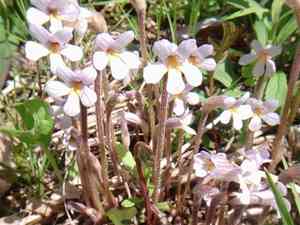
The optimal period for transplanting small elephantshead is as temperatures rise, spanning from the onset of early spring through the beginning of summer. Select a location offering dappled sunlight and damp earth. Careful manipulation is essential to prevent harm to the roots.
What Preparations are Needed Before Transplanting Little Elephantshead?
What is the Ideal Time for Transplanting Little Elephantshead?
Moving little elephantshead during the rejuvenating period of early to late spring provides prime growth conditions. This timing allows these perennials to establish roots prior to summer's heat.
How Much Space Should You Leave Between Little Elephantshead Plants?
When getting ready to rehome your little elephantshead, begin by giving each ample room to thrive. Aim for a separation of approximately 8-12 inches (20-30 cm) apart. This ensures each seedling has sufficient space to grow robustly without nutrient competition.
What is the Best Soil Mix for Little Elephantshead Transplanting?
For your little elephantshead, a supportive environment begins with the soil. Opt for a well-draining loamy or sandy soil. Before planting, enrich the ground with a balanced, slow-release fertilizer to give your little elephantshead a nutritional boost. This preparation sets the stage for a flourishing start!
Where Should You Relocate Your Little Elephantshead?
Your little elephantshead will appreciate a spot that mimics its natural mountain meadow habitat. Choose a location that receives partial sunlight, ideally filtered or dappled through trees. A place that gets morning light and afternoon shade would be absolutely perfect for your little elephantshead!
What Equipments Should You Prepare Before Transplantation Little Elephantshead?
Gardening Gloves
To safeguard your hands while handling soil and plants.
Shovel or Spade
For excavating the plant and creating a hole in its new spot.
Watering Can or Hose
To hydrate the plant before and after its relocation.
Pruning Shears
To trim any dead or damaged roots or leaves prior to transplanting.
Wheelbarrow or Garden Cart
For moving the plant and soil efficiently.
Trowel
Useful for smaller transplanting tasks or refining the planting hole.
Root Pruner or Knife
To cleanly sever any larger roots if necessary.
Organic Mulch
To help maintain soil moisture levels post-transplanting.
How Do You Remove Little Elephantshead from the Soil?
How Do You Remove Little Elephantshead from the Soil?
From Ground: Hydrate the little elephantshead plant to moisten the soil. Dig a wide but shallow trench around it, using a shovel or spade. Carefully work around and beneath the root ball, preserving as much as possible, before lifting the plant out.From Pot: Start by watering the soil in the pot to minimize root damage. Tilt the pot and tap its sides to loosen the soil. Gently slide the little elephantshead plant out, supporting the stem and root ball.From Seedling Tray: Water the soil in the tray before beginning. Use a trowel or your fingers to carefully lift the little elephantshead seedling from its compartment, ensuring the root system is included.
Step-by-Step Guide for Transplanting Little Elephantshead
Preparation
Ensure all tools and equipment are readily available. Check the weather, avoiding transplantation during harsh conditions.
Removal
Follow the relevant instructions from the 'removal_process' section to safely extract your little elephantshead from its current spot.
Inspect Roots
Take a moment to examine the root ball. Trim any damaged or circling roots to encourage outward growth.
Transplant Hole
Dig a hole in the new location that is twice as wide but just as deep as the root ball. This provides ample space for root expansion.
Setting Plant
Position the little elephantshead in the center of the hole, adjusting the depth so it sits at its previous soil level.
Filling In
Carefully backfill the hole with the excavated soil. Firm the soil around the roots to eliminate air pockets, but avoid over-compacting it.
Initial Watering
Water the little elephantshead thoroughly, saturating the soil to help it settle around the roots.
Mulching
Spread a layer of organic mulch around the base of the little elephantshead, which aids in moisture retention and weed suppression.
How Do You Care For Little Elephantshead After Transplanting?
Monitoring
Keep a close watch on your little elephantshead for signs of stress like wilting or discolored leaves, and adjust care as needed.
Watering Routine
Establish a consistent watering schedule to maintain soil moisture. Avoid over-saturating, and reduce frequency once the plant is established.
Mulch Replenishment
Periodically check the mulch and replenish it to maintain a consistent depth.
Pruning
Trim any dead or faded flowers to encourage new growth and maintain a neat appearance.
Protection
Shield the little elephantshead from pests and diseases by regular inspection and applying organic solutions if necessary.
Troubleshooting Common Issues with Little Elephantshead Transplantation.
What's the best time to transplant little elephantshead?
Optimal transplanting time for little elephantshead is during the milder conditions of early to late spring.
How far apart should I space little elephantshead when transplanting?
Ideal spacing for little elephantshead is approximately 8-12 inches (20-30 cm) to ensure proper development.
Why is my little elephantshead wilting after transplanting?
Wilting can result from transplant shock. Ensure soil is moist and little elephantshead is not in direct sun immediately after transplanting.
How deep should the hole be for transplanting little elephantshead?
Dig a hole that's twice the root ball's width but only as deep, so little elephantshead sits at the soil surface.
Can little elephantshead be transplanted in summer or fall?
It's possible, but little elephantshead thrives best when moved in cooler spring conditions.
How much water does little elephantshead need after transplanting?
Water thoroughly post-transplant, then maintain consistent moisture without overwatering.
Should I fertilize little elephantshead when transplanting?
Wait a few weeks after transplanting before fertilizing to prevent root burn.
What soil type is best for transplanting little elephantshead?
Use a well-draining soil rich in organic matter to support the health of little elephantshead.
How do I know if little elephantshead is getting enough light after transplanting?
Little elephantshead prefers partial shade; too much sun can cause stress, while too little can impede growth.
What should I do if little elephantshead has yellow leaves after transplanting?
Yellow leaves may indicate overwatering or poor drainage. Check moisture levels and adjust watering practices.



