How to Prune Little elephantshead?
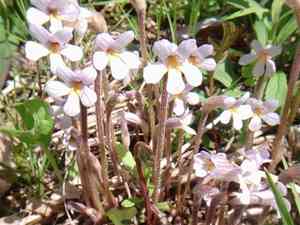
Known for its distinctive blossoms resembling elephant heads, little elephantshead flourishes with infrequent trimming, primarily for aesthetic shaping and the removal of faded blooms. The ideal time for pruning is following its spring flowering phase, typically in late spring or early summer. Removing spent flowers encourages additional blossoming. Perform light pruning, cutting back to a robust cluster of leaves to foster a denser growth habit. Excessive pruning can result in fewer flowers and should be prevented to preserve the plant's inherent structure.
What Are the Benefits of Pruning Little Elephantshead?
What Are the Benefits of Pruning Little Elephantshead?
Trimming little elephantshead promotes vigorous development and maintains its structure, ensuring it flourishes and enhances garden beauty effectively.
What Is the Best Time for Pruning Little Elephantshead?
What Is the Best Time for Pruning Little Elephantshead?
Trimming little elephantshead during late spring or early summer aligns with the start of active growth, ensuring quick wound recovery and minimal plant stress. This timing allows for the removal of damaged or old growth before the plant dedicates energy to flowering, which typically occurs in late summer. Pruning in these seasons also aids in shaping the plant, improving air circulation, and preventing disease, supporting the overall health and visual appeal of little elephantshead.
What Tools Do I Need to Prune Little Elephantshead?
Bypass Pruners
Given the delicate nature of little elephantshead, accurate cuts are crucial for its vitality. Bypass pruners create clean, gentle incisions that encourage rapid healing. Their scissor-like action is less likely to crush stems, preserving the plant's integrity.
Snips
For detailed tasks like thinning or shaping little elephantshead, snips are an excellent option. Their smaller blades offer precision and control when working with slender stems and delicate foliage. This minimizes harm to surrounding plant material.
Gloves
Protective gloves should be worn when trimming little elephantshead to prevent potential skin irritation and maintain cleanliness. Gloves also provide a better grip on tools, reducing the risk of slippage and accidental plant damage.
Cleaning Supplies
Ensuring tools are clean is vital to prevent disease transmission. Use rubbing alcohol or a 10% bleach solution to sanitize blades before and after pruning little elephantshead, which guarantees the plant's health and safety.
How to Prune Little Elephantshead
Sanitization
Before beginning the trimming process, clean and sterilize pruning tools to prevent the spread of disease to little elephantshead.
Diseased leaves
Carefully inspect little elephantshead for diseased foliage. Gently remove each affected leaf, cutting at its base where the leaf stem meets the main stem to avoid harming the plant's structure.
Withered leaves
Identify and snip away withered leaves from little elephantshead. Use sharp scissors or pruning shears to make clean cuts, which aids in quick recovery.
Diseased stems
Examine little elephantshead for diseased stems. Trim these stems back to a healthy section, ensuring no stubs are left as they can act as entry points for pathogens.
Maintenance
After trimming, properly dispose of removed plant material to prevent further disease spread, and ensure little elephantshead receives adequate watering and fertilization to maintain its health.
Common Pruning Mistakes with Little Elephantshead
Overpruning
Removing excessive foliage can stress little elephantshead, leading to stunted growth and reduced blooming.
Improper Tool Use
Using dull or unclean tools can injure stems and leave little elephantshead susceptible to disease.
Neglecting Hygiene
Failing to sterilize pruning tools between cuts and plants can transmit pathogens to little elephantshead.
Wrong Technique
Cutting too close to the main stem may harm little elephantshead, while leaving too long a stub can result in rot.
Tearing Stems
Pulling or ripping branches instead of cutting can cause unnecessary injury to little elephantshead.
Flush Cutting
Cutting branches flush against the main stem can remove the branch collar, leading to improper healing in little elephantshead.
Disregard for Shape
Trimming without considering the natural form of little elephantshead can result in an unnatural appearance and may impact its health.
Common Pruning Tips for Little Elephantshead
Sharp Tools
Utilize clean, sharp pruning shears to make precise cuts and minimize damage to little elephantshead's stems.
Tool Sterilization
Sterilize tools before use on little elephantshead to prevent the spread of disease.
Cut Angle
Cut at a 45-degree angle away from the bud to allow water to drain and prevent disease in little elephantshead.
Prune Damaged Material
Remove any dead, damaged, or diseased stems to promote the well-being of little elephantshead.
Selective Thinning
Thin out crowded areas to enhance air circulation and light penetration, which benefits little elephantshead's overall health.
Maintenance Pruning
Regularly remove spent flowers to encourage little elephantshead to produce more blooms.
Consider Growth Habit
Understand the growth pattern of little elephantshead to maintain its natural form when trimming.



