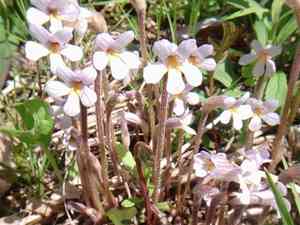
Little elephantshead (Pedicularis attollens)
Also known as: Attoll lousewort
Little elephantshead (Pedicularis attollens) is found in North American regions such as California and Oregon. It thrives in moist, high-altitude habitats like bogs and meadows, where it receives ample sunlight without obstruction from tall trees. The plant can grow up to 60 cm tall, with its flowers and fruit measuring less than 1 cm in diameter.
In This Article
Attributes of Little elephantshead
Lifespan
Perennial
Plant Type
Herb
Plant Height
15 cm to 46 cm
Spread
Not applicable, herbaceous plant
Leaf Color
Green Blue
Flower Size
1 cm
Flower Color
Pink Purple Red
Images of Little elephantshead
Quickly Identify Little elephantshead
1
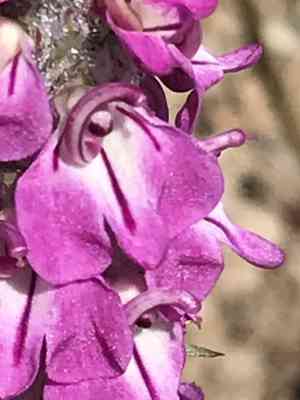
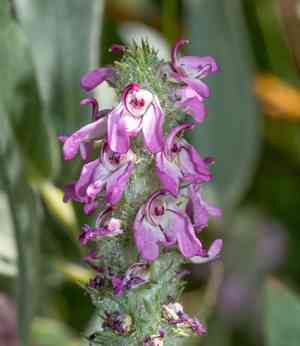
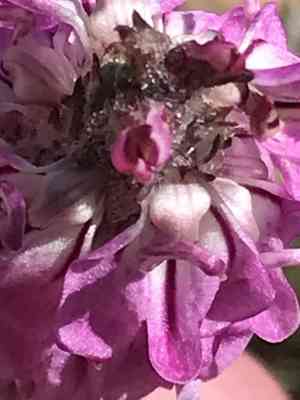
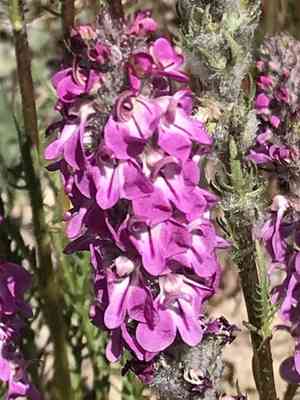
This plant can be easily identified by its distinct flower shape, which resembles an elephant\'s head. It features dense spikes of small, pink to purple flowers, each with a long curved upper lip and two lower lips that spread out like ears.
Scientific Classification of Little elephantshead
Phylum
Vascular plants
Class
Dicotyledons
Order
Lamiales
Family
Broomrape
Genus
Pedicularis
Species
Little elephantshead
Planting and Growing of Little elephantshead
Care Difficulty
Hard
Watering Schedule
Every 2 days
Sunlight Requirements
Partial sun
Sunshine Duration
4-8 hours
Ideal Temperature
60-75℉
Soil Type
Potting Mix, Peat Mix
Soil pH
5.5-6.5
Fertilizer Type
Balanced
Pruning Season
Spring, Summer
Pruning Area
Branches, Leaves
Pruning Frequency
2 times a year
Repotting Season
Spring
Pot Type
Terracotta, Plastic
 How to Water Little elephantshead?
For Pedicularis attollens, ensure soil is moist but not waterlogged. A moderate amount of 150 ml per watering is generally sufficient, avoiding both drought and excessive water accumulation.
What are the symptoms of an underwatered Little elephantshead?
›
What should I do if my Little elephantshead is not getting enough water?
›
What are the symptoms of an overwatered Little elephantshead?
›
How to save an overwatered Little elephantshead?
›
 What Are the Sunlight Requirements for Little elephantshead?
Partial sun exposure correlates with its natural growing conditions, allowing optimal photosynthesis without the risk of leaf damage.
What is the ideal lighting environment?
›
How to achieve the ideal lighting conditions?
›
What are the benefits of ideal light conditions?
›
 What Is the Ideal Temperature Range for Little elephantshead?
The ideal temperature range for Pedicularis attollens is between 60°F to 75°F. This range allows for optimal growth and flowering, providing enough warmth without excessive heat, which might stress the plant.
 What Soil is Best for Little elephantshead?
Pedicularis attollens thrives in well-drained soils that prevent root rot and ensure proper nutrient access. The loamy texture with adequate organic matter is ideal. This plant benefits from soils that retain moisture well. Peat soil, with its excellent moisture-holding capacity, provides an ideal medium to keep the roots comfortably hydrated. Nutrient-rich soils foster robust growth. Incorporating organic matter like compost enriches the soil, ensuring Pedicularis attollens receives essential nutrients for vibrant foliage.
 How to Fertilize Little elephantshead?
Pedicularis attollens prefers a balanced and diluted fertilizer regimen. For liquid fertilizer, use a quarter-strength balanced liquid fertilizer. This ensures that the nutrients are absorbed effectively without overwhelming the plant. Ensure that the fertilizer is well-dissolved in water before application.
 How to Prune Little elephantshead?
Before you start pruning, it's important to inspect the Pedicularis attollens for any dead or diseased stems. These should be your first targets when pruning, as removing them will help redirect energy to healthier parts of the plant. Prune carefully in early spring or early summer when the plant is actively growing. This helps in maximizing new growth and preventing stress. Avoid heavy pruning in late summer to allow the plant to prepare for dormancy. Make clean cuts at a 45-degree angle just above a leaf node to promote healing and reduce the likelihood of disease. Use sharp, sterilized shears to avoid crushing the stems, ensuring cuts are precise and clean.
More About Pruning Techniques→
 How to Propagate Little elephantshead plant?
1
Collect seeds from mature plants during late spring. Ensure that the seeds are fully developed and dry before storage or planting. This step is crucial to ensure the viability of the seeds.
2
Prepare a well-draining soil mixture, rich in organic matter. The right soil composition helps in mimicking the plant's natural habitat, enhancing germination rates.
3
Sow the seeds evenly on the surface of the prepared soil. Cover them lightly with a thin layer of soil, as excessive covering may hinder germination by blocking sunlight.
 How to Repot Little elephantshead plant?
1
Pedicularis attollens should be repotted when its roots outgrow the current pot or when the soil becomes depleted of nutrients. Look for roots circling the pot's base or growing through drainage holes as key signals for repotting. Early signs like yellowing leaves may indicate the plant's need for increased root space and fresh soil context.
2
Select a pot with sufficient drainage holes and slightly larger than the existing one. A pot that's too large can lead to soil moisture issues, affecting root health. The material of the pot can also influence the plant's water retention; for example, terracotta pots allow for better airflow compared to plastic ones. Choosing the right pot ensures the plant has room to grow while avoiding overwatering risks.
3
Opt for a well-draining loamy soil mix that retains necessary moisture while allowing excess water to escape. The ideal soil mix will offer a balance of nutrients and aeration to support healthy root growth. This type of soil prevents waterlogging, reducing the risks of root rot and providing a stable environment for Pedicularis attollens.



