The Little elephantshead Plant Advantage: Maximizing Home and Office Appeal and Wellness
1
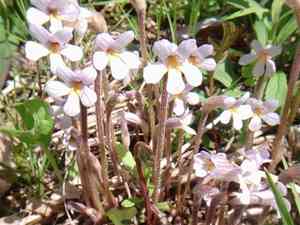
The distinctive bloom of the little elephantshead plant is recognized for its resemblance to small elephant heads.
2
This plant flourishes in elevated grasslands and plays a role in the ecological diversity of its habitat.
3
Historically, little elephantshead has been employed in different health practices.
What Makes Little elephantshead Unique?
Distinctive Morphology
The unique form of Little elephantshead is one of its most striking attributes. Resembling tiny elephant heads, its flowers are an intriguing sight. These blooms not only draw attention but also play a crucial role in the aesthetic value of high-altitude meadows where it's found. Their peculiar shape isn't just for show; it may also attract specific pollinators, aiding the plant's reproductive success.
Habitat and Growth Conditions
Thriving in high-altitude meadows, Little elephantshead is well-adapted to challenging environmental conditions. Its resilience in such habitats significantly contributes to regional biodiversity, fostering stable, rich ecosystems. It grows best in moist, well-drained soils, often flourishing alongside other native flora. Studying its growth conditions offers insights into the ecological health of high-altitude ecosystems.
How Does Little elephantshead Support Biodiversity?
Role in Pollination
Little elephantshead serves as an essential part of the pollination network in its native environments. Its unique flower shape attracts various pollinators like bees and butterflies, which are crucial for pollinating surrounding plant species too. This mutual relationship aids the reproduction of Little elephantshead and contributes to the overall genetic diversity of high-altitude meadow plant communities.
Contribution to Soil Health
The presence of Little elephantshead in high-altitude meadows positively influences soil health. Its roots help stabilize the soil, reducing erosion and maintaining its integrity. Additionally, the plant's organic matter contributes to nutrient cycling within these ecosystems, supporting other plant species' growth. Studies show regions with diverse plant life, including Little elephantshead, tend to have more robust and fertile soils.
What Are the Practical Uses of Little elephantshead?
Traditional Practices
For generations, various cultures have incorporated Little elephantshead into their traditional customs. The plant has been used in diverse ways, from culinary applications to wellness routines. Traditional uses highlight its versatility and underscore its importance in cultural heritage. While specific methods vary, the overarching theme is that Little elephantshead has been a trusted component of natural remedies for centuries.
Modern Applications
In contemporary times, the uses of Little elephantshead have expanded with scientific research uncovering new potentials aligning with modern wellness trends. Whether incorporated into teas, infusions, or other herbal preparations, the plant continues to be valued for its unique characteristics and potential benefits. These modern applications aim to harness its beneficial qualities, making it accessible to a wider audience.
Why Should You Consider Little elephantshead in Your Wellness Routine?
Integration into Daily Life
Considering the practical aspects of integrating Little elephantshead into your daily routine, there are numerous ways to benefit from this plant. Whether supplementing your diet with herbal products containing it or simply appreciating its beauty in a garden, the plant offers multiple avenues for enhancing well-being. With growing interest in holistic and plant-based approaches, Little elephantshead presents an excellent opportunity to explore natural alternatives.
Environmental and Personal Benefits
Adding Little elephantshead to your wellness routine isn't just about personal gain â it's also about supporting environmental sustainability. Being mindful of your plant choices can contribute to biodiversity conservation and the health of natural habitats. Moreover, the personal benefits, from enhanced relaxation to a closer connection with nature, make incorporating Little elephantshead a worthwhile consideration for anyone interested in ecological and personal well-being.



