How to Transplant Corkystem passionflower?
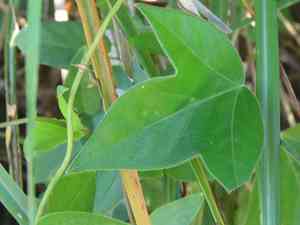
The most favorable period for relocating corkystem passionflower is from mid to late spring, when temperatures are mild, which aids in robust root development. Select a location that receives ample sunlight and drains effectively. Should the soil require it, incorporate organic material to foster healthy growth.
What Preparations are Needed Before Transplanting Corkystem Passionflower?
What is the Ideal Time for Transplanting Corkystem Passionflower?
The optimal period to move corkystem passionflower is from mid to late spring. This timing allows corkystem passionflower to fully benefit from the mild weather, effectively establishing its root system before the peak heat of summer. Transplanting corkystem passionflower during this window ensures the plant has ample time to recover and settle, promoting vigorous growth. A helpful hint: transplant corkystem passionflower when the soil is warm and easy to work with, providing the most favorable conditions for new development.
How Much Space Should You Leave Between Corkystem Passionflower Plants?
When transplanting corkystem passionflower, ensure a distance of approximately 1.5 to 2 feet (0.45 to 0.6 meters) between each plant. This provides them with sufficient room to grow and thrive without competing for resources.
What is the Best Soil Mix for Corkystem Passionflower Transplanting?
To prepare the soil for transplanting corkystem passionflower, select a soil rich in humus, as these plants prefer abundant nutrients. Remember to incorporate a base fertilizer supplemented with iron and magnesium to help your corkystem passionflower flourish.
Where Should You Relocate Your Corkystem Passionflower?
Choose a site that receives full to partial sunlight daily, roughly 6-8 hours. Keep in mind corkystem passionflower thrives in the sun, so a bright location will make your plant content.
What Equipments Should You Prepare Before Transplantation Corkystem Passionflower?
Gardening Gloves
These will safeguard your hands while handling the plant and working with the soil.
Spade or Trowel
This tool is essential for digging up the corkystem passionflower from its current spot and creating a hole in the new location.
Wheelbarrow or Container
This is used to transport the corkystem passionflower plant from its original position to the new site.
Watering Can or Hose
This is for hydrating the corkystem passionflower plant after it has been transplanted.
How Do You Remove Corkystem Passionflower from the Soil?
How Do You Remove Corkystem Passionflower from the Soil?
From Ground: First, water the corkystem passionflower plant to moisten the soil. Then, using a spade or trowel, dig a wide trench around the plant, ensuring you maintain a good distance from the base to keep the root ball intact. Carefully work the spade beneath the root ball to lift the plant. Avoid applying excessive force, as this can damage the root ball.From a Pot: Begin by watering the corkystem passionflower plant in its container. Gently turn the pot on its side and tap it to release the plant and soil. If this doesn't work, you might need to cut the pot away. Ensure you do not pull the plant by the stem to prevent injury.From a Seedling Tray: If you are moving from a seedling tray, water the tray first to loosen the soil. Then, gently pull the corkystem passionflower plant by its leaves or use a spoon to lift the seedling along with its root ball. Always handle the seedling by its leaves to avoid damaging the stem.
Step-by-Step Guide for Transplanting Corkystem Passionflower
Preparation
Begin with a well-hydrated corkystem passionflower plant. This will facilitate easier removal without harming the root ball.
Digging
Using a spade or trowel, excavate a hole in the new location. The depth of the hole should roughly match the depth of the corkystem passionflower plant's root ball.
Placement
Carefully position the corkystem passionflower plant in the hole, ensuring the top of the root ball is level with the surrounding soil.
Filling
Backfill the surrounding area with soil, gently patting it down around the base of the corkystem passionflower plant.
Watering
Water the plant immediately after transplanting to help settle the soil and provide hydration. Avoid overwatering, as this can drown the plant.
Mulching
Apply a layer of mulch around the corkystem passionflower plant to help retain moisture and suppress weeds.
How Do You Care For Corkystem Passionflower After Transplanting?
Pruning
Trim any damaged or dead stems or leaves once the corkystem passionflower plant has settled in its new spot. This will allow the plant to direct its energy towards new growth.
Monitoring
Keep a close watch on the plant over the subsequent weeks. Look for any indications of transplant shock such as wilting, yellowing, or dropped leaves.
Pest Control
Be vigilant for pests that could harm your corkystem passionflower plant. If you notice any, use recommended pesticides or organic alternatives to eliminate them.
Watering
Initially, the corkystem passionflower plant will require more frequent watering until it establishes itself. Do not let the soil dry out completely, though you should avoid keeping it too waterlogged as this can lead to root rot.
Troubleshooting Common Issues with Corkystem Passionflower Transplantation.
When's the best time to transplant corkystem passionflower?
The ideal time to transplant corkystem passionflower is between the second and third season. This is when the plant's dormant period concludes, and it is ready for growth.
What's the ideal distance between corkystem passionflower when transplanting?
Each corkystem passionflower plant should be given ample room to grow, ideally 1.5-2 feet (45-60 cm) apart.
Why is corkystem passionflower wilting after transplanting?
Wilting post-transplant may indicate shock. It's crucial to provide corkystem passionflower with sufficient water, light, and maintain a temperature between 70-80°F (21-27°C).
What type of soil does corkystem passionflower need when transplanting?
Corkystem passionflower requires well-draining soil that is rich in organic matter. It prefers a slightly acidic to neutral pH.
How deep should I plant corkystem passionflower when transplanting?
Plant corkystem passionflower in a hole deep enough to cover its root ball (typically about 6-8 inches / 15-20 cm deep).
How much sun does corkystem passionflower need after transplanting?
Corkystem passionflower thrives in sunlight! Ensure it receives full sun to partial shade for healthy growth after transplant.
How often should I water corkystem passionflower after transplanting?
Corkystem passionflower needs regular hydration, but avoid overwatering. Allow the soil to nearly dry out between watering sessions.
What should I do if corkystem passionflower's leaves are yellowing after transplant?
Yellowing leaves might suggest overwatering, poor drainage, or nutrient deficiency. Adjust water levels, soil conditions, and apply a balanced fertilizer.
How long until corkystem passionflower establishes after transplanting?
Corkystem passionflower typically takes approximately 2-4 weeks to establish itself after being moved, showing new growth and vitality.
Do I need to fertilize corkystem passionflower after transplanting?
Yes, applying a balanced, slow-release fertilizer promotes corkystem passionflower's healthy development after transplantation.



