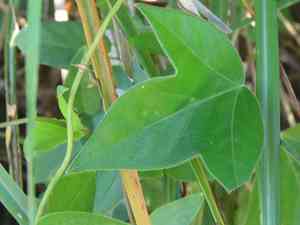
Corkystem passionflower (Passiflora suberosa)
Also known as: Devil's pumpkin, Small passionflower, Wild passionfruit, Pointed-leaf passionfruit
The Corkystem passionflower (*Passiflora suberosa*) is a vine that climbs by using tendrils. Native to the Americas, it serves as a crucial host plant for caterpillars of various butterfly species. This plant produces green berries that turn indigo and eventually black as they mature.
In This Article
Attributes of Corkystem passionflower
Lifespan
Perennial
Plant Type
Herb, Vine
Plant Height
3 m to 4 m
Spread
1 m
Leaf Color
Green
Flower Size
2.5 cm
Flower Color
Yellow Green
Images of Corkystem passionflower
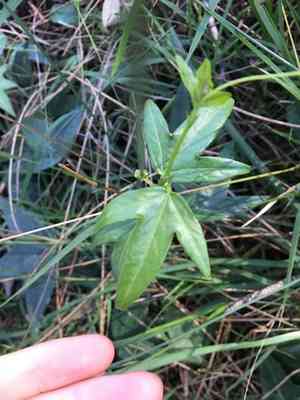
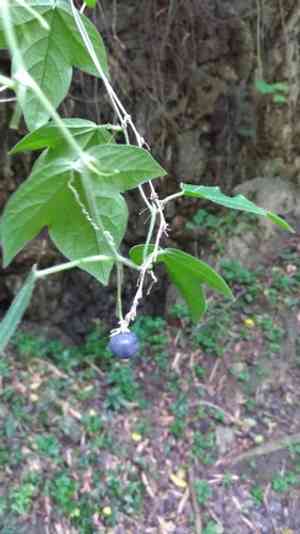
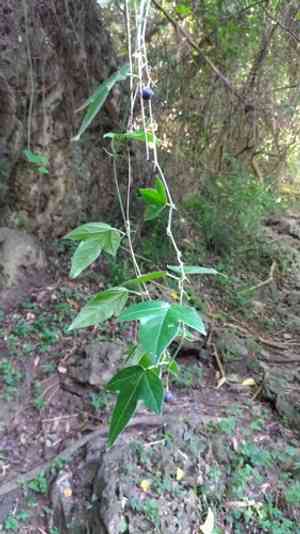
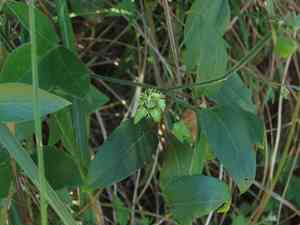
Quickly Identify Corkystem passionflower
1
Look for a climbing vine with small, three-lobed leaves and greenish-yellow flowers, followed by dark purple or black berries. The stem often exhibits a corky texture, particularly on older plants.
Scientific Classification of Corkystem passionflower
Phylum
Vascular plants
Class
Dicotyledons
Order
Malpighiales
Family
Passionflowers
Genus
Passion flowers
Species
Corkystem passionflower
Planting and Growing of Corkystem passionflower
Care Difficulty
Easy
Watering Schedule
Every 4 days
Sunlight Requirements
Partial sun
Sunshine Duration
4-8 hours
Ideal Temperature
68-77℉
Soil Type
Potting Mix, Peat Mix
Soil pH
6-7.5
Fertilizer Type
Balanced
Pruning Season
Spring, Summer
Pruning Area
Branches, Leaves
Pruning Frequency
2 times a year
Repotting Season
Spring
Pot Type
Plastic, Ceramic
 How to Water Corkystem passionflower?
Passiflora suberosa prefers a consistent watering schedule. The soil should be kept moderately moist, but not soggy. Water until you see it starting to drain from the bottom of the pot, which indicates the soil is adequately saturated. This typically requires about 250 ml of water per session, depending on pot size.
What are the symptoms of an underwatered Corkystem passionflower?
›
What should I do if my Corkystem passionflower is not getting enough water?
›
What are the symptoms of an overwatered Corkystem passionflower?
›
How to save an overwatered Corkystem passionflower?
›
 What Are the Sunlight Requirements for Corkystem passionflower?
Passiflora suberosa thrives best in partial to full sun conditions. Adequate light ensures optimal photosynthesis, leading to robust growth, vibrant foliage, and prolific flowering. Keeping it within this light range maximizes the plant’s aesthetic and health potential.
More About Sunlight Requirements Techniques→
How much sunlight does Passiflora suberosa need?
›
What are the best ways to achieve ideal light conditions?
›
What benefits does ideal lighting have?
›
 What Is the Ideal Temperature Range for Corkystem passionflower?
Passiflora suberosa thrives best within a temperature range of 68-77°F. This range ensures optimal enzymatic activities and physiological processes, promoting healthy growth and vibrant foliage. The ideal temperature allows the plant to photosynthesize efficiently, ensuring adequate energy supply for flower and fruit development. Maintaining this range facilitates robust vegetative growth and reduces susceptibility to pest and disease challenges.
 What Soil is Best for Corkystem passionflower?
Passiflora suberosa thrives in soil that drains well. This prevents waterlogging, which can lead to root rot, a common issue for many plants including this one. Well-draining soil ensures that excess moisture moves away from the roots, promoting healthier growth. This plant benefits from soil rich in organic matter, which provides essential nutrients for vigorous growth. The presence of compost or decomposed leaves in the soil boosts its fertility, resulting in lush foliage and more abundant blooms. Passiflora suberosa can tolerate slightly acidic to neutral pH levels. Soil within the range of 6.0 to 7.5 supports optimal nutrient uptake, ensuring the plant receives the necessary minerals for robust development and flowering.
 How to Fertilize Corkystem passionflower?
For Passiflora suberosa, applying a well-balanced liquid fertilizer at a dose of about half the recommended strength is ideal. Liquid fertilizers should be diluted to prevent root burn and promote healthy growth. A major benefit of using liquid fertilizers is that nutrients are immediately accessible to the plant, ensuring vigorous growth.
 How to Prune Corkystem passionflower?
Identify the stems that require pruning. Look for old, dead, or diseased stems and those that overcrowd the plant and impede airflow. Also, find stems that have extended beyond the desired boundary. Make clean, angled cuts just above a leaf node or a set of leaves. This encourages new growth and ensures water doesn’t pool on the cut surface, which might lead to disease. Collect all pruned materials and remove them from the garden area. This helps prevent potential disease spread and keeps the garden tidy.
More About Pruning Techniques→
 How to Propagate Corkystem passionflower plant?
1
Before planting, soak the seeds in warm water for 24 hours. This helps to soften the seed coat, promoting easier germination and improving success rates.
2
Select a healthy, non-flowering stem for cuttings. The stem should be about 10-15 cm long and taken from a vigorous plant to ensure vitality.
3
For layering, select a flexible stem that can be bent down to the soil. Partially cover it with soil, leaving the growing tip exposed. Secure the stem with a pin or wire.
 How to Repot Corkystem passionflower plant?
1
Repotting Passiflora suberosa is necessary when you notice roots circling the pot, reduced growth, or soil that no longer retains moisture well. These are sure signs that the plant has outgrown its current home and needs fresh soil to thrive.
2
When selecting a new pot for Passiflora suberosa, opt for a container that is slightly larger than its current one, with good drainage holes. This ensures adequate space for growth and prevents waterlogging, which can lead to root rot.
3
Use a well-draining potting mix for repotting Passiflora suberosa. This type of soil prevents water stagnation and ensures roots are kept healthy. A suitable mix may include peat, perlite, and vermiculite to provide optimal aeration.
Toxicity
None
WARNING
The judgment on toxicity and danger is for reference only. We DO NOT GUARANTEE any accuracy of such judgment. Therefore, you SHALL NOT rely on such judgment. It is IMPORTANT TO SEEK PROFESSIONAL ADVICE in advance when necessary.
Learn More About Corkystem passionflower Diseases
Anthracnose
Bacterial Leaf Spot
Bacterial Soft Rot
Bacterial Wilt
Black Spot
Chemical Injury
Crown Gall
Damping-off
Downy Mildew
Drought Stress
Fusarium Wilt
Gray Mold
Leaf Curl
Leaf Spot
Mosaic
Nutrient Deficiency
Nutrient Toxicity
Powdery Mildew
Root Rot
Root-knot Nematode
Rusts
Sooty Mold
Spider Mites
Temperature Stress
Thrips Damage
White Mold



