How Much Sunlight Do Corkystem passionflower Need?
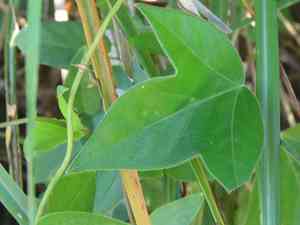
1
Corkystem passionflower flourishes with a minimum of 6 hours of direct sun each day.
2
It can endure some shade, though it might yield fewer blooms.
3
Seasonal light exposure adjustments are vital for its best development.
Ideal Light Conditions for Corkystem Passionflower
Full Sun Requirements
For the Corkystem passionflower, achieving peak development necessitates abundant solar exposure. This plant thrives in full sun, meaning it requires a minimum of 6 hours of direct sunlight daily. More sun generally leads to stronger growth and prolific blooming. Positioning it in a bright garden spot ensures it receives the light needed to flourish.
Partial Shade Tolerances
While Corkystem passionflower prefers full sun, it can endure partial shade. If your garden or yard has areas with filtered sunlight or brief shaded periods, this plant can adapt. However, prolonged shade may result in fewer blossoms and less vigorous development. Therefore, aim for a balance that provides ample light without causing stress from excessive heat.
Sunlight Duration and Intensity for Corkystem Passionflower
Recommended Hours of Sunlight
Corkystem passionflower typically needs at least 6 to 8 hours of sunlight each day. This duration encourages the plant to produce numerous flowers and lush foliage. Consistency is crucial, so strive to ensure it gets sufficient light daily, especially during its active growth phase.
Effect of Intense Summer Sun
During the height of summer, strong sunlight combined with high temperatures can stress the Corkystem passionflower. Extended exposure to such conditions can cause leaf scorching and dehydration. To alleviate this, consider providing some afternoon shade or using a light shade cloth during the hottest parts of the day.
Signs of Too Much or Too Little Sunlight for Corkystem Passionflower
Symptoms of Sunburn
Excessive sunlight can lead to sunburn, appearing as brown or scorched leaf edges and spots. If you observe your Corkystem passionflower showing these signs, it clearly indicates it might be receiving too much direct sun. Adjusting its exposure or offering temporary shade can help resolve this issue.
Indicators of Insufficient Light
Conversely, if the Corkystem passionflower receives inadequate sunlight, you might notice leggy growth, pale leaves, and reduced flowering. These symptoms suggest the plant is stretching for light and not getting enough to sustain healthy development. Increasing its exposure to sunlight will correct these problems.
Adjusting Sunlight Exposure for Corkystem Passionflower
Strategic Plant Placement
Proper placement is vital for ensuring your Corkystem passionflower receives adequate sunlight. Select a location that gets morning sun and some afternoon shade to balance light exposure and prevent overheating. Regularly monitoring and adjusting its position based on seasonal light changes can also help maintain optimal growth.
Using Shade Cloths and Reflectors
If relocating your plant isn't practical, using shade cloths can shield it from intense sun. These cloths reduce light intensity and lower temperature stress during hot summer days. Reflectors can be used in shadier spots to direct more light onto your Corkystem passionflower, ensuring it gets sufficient brightness even in less-than-ideal locations.
Seasonal Sunlight Adjustments for Corkystem Passionflower
Summer vs. Winter Sunlight Needs
Seasonal changes affect sunlight availability and intensity. In summer, the Corkystem passionflower enjoys longer daylight hours but might require protection from scorching afternoon temperatures. During winter, when daylight hours shorten, positioning the plant to capture maximum sun is essential. If needed, move it to a brighter spot as light becomes more limited.
Indoor Lighting Solutions for Winter
If you reside in a region with harsh winters, consider bringing your Corkystem passionflower indoors. Utilize grow lights to supplement natural sunlight. Position LED or fluorescent grow lights above the plant, ensuring they provide 10-12 hours of light to mimic outdoor conditions, thereby supporting continued growth and health during the colder months.



