How to Propagate Corkystem passionflower?
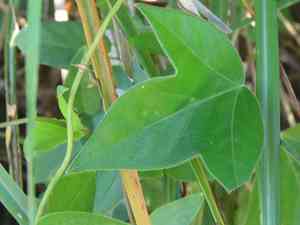
Passiflora suberosa can be successfully propagated via seed dispersal. To ensure effective reproduction, utilize newly harvested seeds and prepare a growing substrate that drains efficiently. The seeds ought to be thinly layered with earth and kept hydrated until sprouting, which generally happens within several weeks. Young plants need ample, diffused illumination and steady hydration to develop a robust root structure prior to relocation. Exercising caution when handling the fragile roots throughout this procedure is vital for peak development.
When Is the Optimal Time to Propagate Corkystem Passionflower?
Method of Propagation
Seeding
Propagation Period
Spring
What Equipment Is Used for Corkystem Passionflower Propagation?
Seed trays
Seed trays are perfect for initiating corkystem passionflower from seeds. They allow for optimal seed spacing and provide ample room for initial root development. The use of seed trays aids in maintaining consistent soil moisture and temperature, crucial elements in the germination and early growth phases of corkystem passionflower.
Heating mats
Heating mats are essential for propagating corkystem passionflower as they assist in sustaining a steady soil temperature, which is vital for the germination of tropical species like corkystem passionflower. These mats gently warm the soil, enhancing germination rates and overall growth speed during the critical initial stages of propagation.
Grow lights
Grow lights are advantageous for corkystem passionflower, particularly when propagating indoors or in conditions of insufficient natural light. They supply the necessary light spectrum to encourage healthier, more robust growth, ensuring that corkystem passionflower develops strong foliage from the seedling stage onward.
High-quality potting mix
Employing a premium potting mix provides corkystem passionflower with the best start in life. It guarantees good drainage and aeration while supplying essential nutrients and a stable pH balance, which are crucial for the rooting and initial growth phases of corkystem passionflower.
Spray bottle
A spray bottle is utilized for gently watering the seeds and young plants of corkystem passionflower. It helps prevent over-watering, which can lead to fungal diseases or seed displacement. Gentle misting ensures that the seeds of corkystem passionflower maintain the necessary moisture levels without becoming waterlogged.
How to Propagate Corkystem Passionflower?
Propagation Type
Simple
How to Care for Your Newly Propagated Corkystem Passionflower?
How to Care for Your Newly Propagated Corkystem Passionflower?
Following propagation, corkystem passionflower requires consistent watering, but ensure the soil drains well to prevent root rot. Place the plant in an area where it can receive full to partial sunlight. Provide support with a trellis or similar structure to encourage climbing. Regular pruning helps maintain shape and health, promoting more vigorous growth and flowering.
Common Errors to Avoid When Propagating Corkystem Passionflower
Overwatering
Root rot can affect corkystem passionflower cuttings if the soil remains excessively wet, hindering root formation and potentially killing the cutting.
Deep planting
Planting corkystem passionflower cuttings too deeply can decrease the oxygen levels available to the developing roots, potentially leading to poor root development or decay.
Using mature wood
Propagating corkystem passionflower from overly mature wood can result in lower rooting success rates because mature wood is more challenging to root compared to younger, more vigorous stems.
Ignoring node placement
Cuttings without a node, where roots and shoots emerge, will not root or produce new stems, leading to unsuccessful propagation.
Neglecting humidity
Especially for corkystem passionflower, failing to maintain a high-humidity environment for cuttings can cause them to dry out before rooting.
Tips For Propagating Corkystem Passionflower
Use semi-hardwood cuttings
Employing semi-hardwood cuttings from corkystem passionflower will often yield the best outcomes as these are at an ideal maturity for root development.
Maintain proper moisture
Ensuring soil is damp but well-draining for corkystem passionflower cuttings helps prevent root rot and supports healthy root formation.
Appropriate cutting length
Preparing corkystem passionflower cuttings of the correct length, approximately 4-6 inches, ensures they have sufficient energy reserves to sustain root development.
Use a rooting hormone
Applying a rooting hormone to the cut end of corkystem passionflower cuttings can significantly boost the chances of successful root development.
Ensure good aeration
Using a soil mixture that is loose and allows for oxygen penetration is beneficial for the root formation of corkystem passionflower.
Cover with plastic
Covering corkystem passionflower cuttings with a plastic bag or dome can help maintain high humidity levels, mimicking a greenhouse environment, which is advantageous for rooting.



