How to Transplant T-grass?
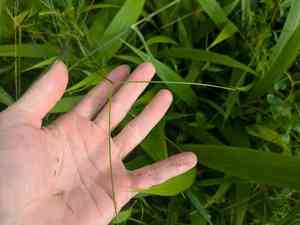
The ideal period for relocating t-grass is during the revitalizing months of early through late spring, which encourages robust development. Select a location that receives partial to complete sun exposure and possesses damp, adequately draining earth. Careful manipulation guarantees a smooth adaptation.
What Preparations are Needed Before Transplanting T-grass?
What is the Ideal Time for Transplanting T-grass?
The perfect time to move t-grass is from the start of spring until late spring. This period aligns with its natural growth cycle, promoting strong root development before summer heat. Mild temperatures and increasing daylight aid t-grass's recovery and new growth, making it an excellent window for transplanting. This approach leverages the plant's natural vigor for successful establishment with minimal stress.
How Much Space Should You Leave Between T-grass Plants?
When arranging your t-grass, aim for a 6-12 inch (15-30 cm) gap between each plant. This provides ample room for them to grow and flourish without competing for resources.
What is the Best Soil Mix for T-grass Transplanting?
Select a rich, well-draining soil for your t-grass and incorporate a balanced, slow-release fertilizer to give them a strong start. A pH level between 5.5 and 7 will keep your t-grass happiest!
Where Should You Relocate Your T-grass?
Find a sunny location for your t-grass, as they thrive with at least 6-8 hours of daily sunlight. Partial shade is acceptable, but be aware that growth might not be as vigorous.
What Equipments Should You Prepare Before Transplantation T-grass?
Gardening Gloves
To safeguard your hands while handling soil and t-grass.
Shovel or Spade
For excavating the t-grass and preparing the new planting site.
Watering Can
To moisten the soil before removing the t-grass and to hydrate it post-transplant.
Garden Fork
To loosen the earth around the plant's root system.
Wheelbarrow or Garden Cart
For moving the t-grass from one spot to another, if required.
Pruning Shears
To trim any dead or damaged roots or foliage.
Mulch
To help maintain soil moisture around the transplanted plant.
How Do You Remove T-grass from the Soil?
How Do You Remove T-grass from the Soil?
From Ground: Hydrate the t-grass to moisten the surrounding soil, making root extraction easier. Use a shovel or spade to carefully dig around the plant, far enough to avoid damaging the root ball. Gently lift the t-grass from its spot, keeping as much soil around the roots as possible.From Pot: Water the t-grass thoroughly to lessen transplant shock. Tilt the pot sideways and gently tap the base to loosen the root ball. Carefully slide the plant out, supporting the root ball with your hand.From Seedling Tray: Dampen the soil in the seedling tray beforehand. Use a small tool, such as a dibber or spoon, to lift the seedling from its cell, being careful not to disturb the roots.
Step-by-Step Guide for Transplanting T-grass
Preparation
Ensure all necessary tools are ready. Start by lightly watering the t-grass, which makes soil removal easier and less stressful for the plant.
Root Ball Removal
Use a shovel or garden fork to loosen the soil around the t-grass, then carefully remove it, ensuring a significant amount of soil remains attached to the roots.
Transporting
If moving the t-grass a long distance, use a wheelbarrow or garden cart. Make sure the root ball is supported and the plant doesn't dry out during transit.
Planting Hole
Dig a hole in the new location. The hole should be twice as wide as the root ball and of equal depth, allowing roots to spread.
Planting
Place the t-grass in the center of the hole, ensuring it's at the same level it was previously growing. Refill the hole with soil and gently firm it around the base of the t-grass.
Watering
After planting, water t-grass thoroughly to settle the soil and remove air pockets. This will also help roots establish in the new location.
Mulching
Apply a layer of mulch around the base of t-grass to retain soil moisture and reduce weed competition.
How Do You Care For T-grass After Transplanting?
Watering
Provide t-grass with sufficient water to maintain consistent soil moisture. Pay attention to the plant's needs, as both over and under-watering can be detrimental.
Mulching
Maintain the mulch layer to conserve moisture and keep root temperature stable.
Pruning
Remove any dead or damaged leaves or stems to direct the t-grass's energy towards establishing its root system.
Monitoring
Observe the t-grass for signs of transplant shock, such as wilting or yellowing, and address them as needed. Patience is crucial; allow the plant time to adjust to its new environment.
Troubleshooting Common Issues with T-grass Transplantation.
What's the best time to transplant t-grass for effective growth?
Transplant t-grass during its peak growing period from early to late spring for optimal establishment.
How much space does t-grass need when transplanting?
Allow t-grass to thrive by spacing them 6-12 inches (15-30 cm) apart, promoting healthy development.
Why is my transplanted t-grass wilting post-transplant?
Wilting can be a sign of transplant shock. Ensure adequate watering and provide shade to help t-grass recover.
How deep should I plant t-grass when transplanting?
Plant t-grass at the same depth it was in its original container to prevent root stress.
Can I transplant t-grass under full sunlight?
Direct sunlight can stress t-grass. It's best to transplant on an overcast day or in mild weather.
What should I do if t-grass's growth stunts after transplant?
Ensure t-grass isn't root-bound, water appropriately, and consider a mild fertilizer to encourage growth.
What type of soil suits t-grass best for transplanting?
Use well-draining, fertile soil for t-grass. It prefers a balance of moisture without becoming waterlogged.
How often should I water t-grass after transplanting?
Water t-grass generously after transplanting, then moderately until established, avoiding dry or soggy soil.
Why are the leaves of t-grass yellowing after transplant?
Yellowing leaves on t-grass may indicate overwatering or a nutrient deficiency. Check moisture levels and nutrient balance.
Is it necessary to prune t-grass during transplanting?
Yes, lightly prune t-grass to remove any dead or damaged parts and encourage stronger root growth.



