How to Prune T-grass?
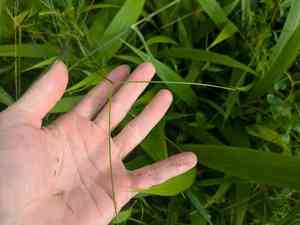
A robust grass, t-grass thrives with trimming to control its expansion and improve its aesthetic. Cut it back in late winter or early spring, prior to the commencement of its new growth phase. Make cuts above the ground level, reducing crowded sections to foster better air movement. Pruning while dormant assists in preserving its form and stimulates the development of more robust, easier-to-manage clusters. Consistent elimination of aged leaves additionally deters prevalent pests and illnesses, ensuring t-grass flourishes across all seasons.
Advantages of Trimming T-grass
Advantages of Trimming T-grass
Trimming t-grass promotes vigorous development and helps keep its desired shape, crucial for both visual appeal and healthy growth.
Optimal Time for Trimming T-grass
Optimal Time for Trimming T-grass
Trimming t-grass in early spring coincides with the start of its active growth period, allowing the plant to recover quickly and direct energy to new development. Pruning at this time stimulates healthier leaves and denser growth. Winter trimming, conversely, aligns with the plant's dormant phase. Trimming t-grass then is beneficial as it lessens plant stress and reduces the chance of disease and pest issues that can spread in open wounds during active seasons. It also helps maintain the plant's preferred shape and size, preparing it for strong growth when warmer temperatures return.
Tools Required for Trimming T-grass
Hand Pruners
Perfect for snipping and shaping small to medium stems of t-grass, enabling accurate cuts without unnecessary plant harm.
Grass Shears
Excellent for trimming and shaping t-grass along borders and in tight spots where mowers cannot reach, providing a clean cut for healthy regrowth.
String Trimmer
Useful for quickly and effectively cutting back large areas of t-grass without harming nearby plants or landscapes. Recommended for extensive overgrowth management.
Gloves
Protection for the gardener's hands from the rough edges and blades of t-grass, ensuring safety during trimming activities.
How to Trim T-grass
Identify
Locate the diseased and withered leaves on t-grass. Look for any signs of discoloration, spots, or unusual textures that distinguish unhealthy foliage from healthy growth.
Disinfect
Sanitize your trimming tools before you begin cutting to prevent disease transmission. Use a solution of one part bleach to nine parts water, or use rubbing alcohol to clean the blades.
Prune diseased
Carefully remove the diseased leaves identified in Step 1 by cutting them at the base where they emerge from the stem. Do not tear or rip the leaves, as this can cause undue stress to t-grass.
Prune withered
Remove the withered leaves by cutting them at the point where they connect to the stem or base of t-grass. Ensure clean cuts to promote faster healing and maintain the plant's aesthetic appeal.
Cleanup
Gather all pruned material and dispose of it properly to prevent any disease from spreading. Do not compost diseased or withered vegetation as it may contaminate the compost with pathogens.
Common Trimming Errors with T-grass
Over-pruning
Removing too much foliage at once can stress t-grass, leading to poor growth and susceptibility to disease.
Using dull tools
Using tools that are not sharp can create jagged cuts that harm t-grass and create entry points for pests and diseases.
Improper technique
Cutting t-grass at incorrect angles or tearing stems can damage the plant and impede its natural growth pattern.
Neglecting to prune
Failing to prune t-grass may result in an overgrown habit, poor air circulation, and a risk of fungal diseases among dense foliage.
Pruning too close
Cutting too near the main stem of t-grass can injure the plant and slow its recovery.
General Trimming Advice for T-grass
Sharp clean tools
Always use sharp, clean shears to make precise cuts, reducing stress on t-grass and preventing infection.
Correct technique
Cut t-grass above a node or leaf junction at a 45-degree angle to encourage healthy new growth without damaging the main stems.
Moderate pruning
Prune t-grass sparingly, removing only a quarter to a third of the total growth to maintain the plant's vigor without over-stressing it.
Regular maintenance
Regularly remove any dead, diseased, or damaged foliage from t-grass to encourage robust health and growth.
Plant symmetry
Aim for a balanced shape when pruning t-grass, which aids in even light exposure and adds aesthetic appeal to the plant.



