The T-grass Plant Advantage: Maximizing Home and Office Appeal and Wellness
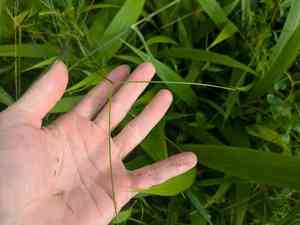
1
T-grass flourishes in warm, humid regions, proving to be a robust garden plant.
2
This vegetation aids in preventing soil degradation, enhancing ground quality organically.
3
T-grass provides a beneficial food source for farm animals.
Why is T-grass Beneficial for Soil Health?
Soil Erosion Control
A key advantage of T-grass is its capacity to prevent soil erosion. Its dense, expansive root network stabilizes the ground, lessening the chance of erosion from wind and water. This makes T-grass especially useful in tropical and subtropical areas where heavy rainfall is common.
Enhancement of Soil Quality
Beyond erosion prevention, T-grass also improves soil quality. The plant adds organic matter to the soil as its leaves drop and decompose. This organic material enriches the soil, fostering better water retention and nutrient availability. Farmers and gardeners often observe significant improvements in soil fertility when T-grass is integrated into their land management strategies.
How Does T-grass Contribute to Biodiversity?
Habitat for Wildlife
T-grass provides habitats for various forms of wildlife. Its thick foliage offers shelter and nesting locations for insects, birds, and small mammals. This boost in biodiversity can benefit entire ecosystems, making T-grass an essential plant for ecological restoration projects.
Attracting Beneficial Insects
By cultivating T-grass, you can draw in beneficial insects, such as pollinators and natural pest predators. This can lead to a healthier, more balanced ecosystem in your garden or farm, decreasing the need for chemical pesticides and promoting sustainable agricultural practices.
What Are the Agricultural Uses of T-grass?
Forage for Livestock
T-grass is not only good for the environment but also serves as a valuable forage source for livestock. Its high palatability and nutritional content make it an excellent choice for grazing animals. Farmers in tropical regions have successfully utilized T-grass as a natural and cost-effective feed option.
Crop Rotation and Fallow Management
Incorporating T-grass into crop rotation systems can help enhance soil health and fertility. It functions as a break crop, reducing pest and disease cycles in subsequent crops. Additionally, T-grass is effective in managing fallow land, preventing soil degradation and maintaining land productivity.
What Role Does T-grass Play in Water Management?
Water Retention Capabilities
T-grass possesses impressive water retention capabilities due to its robust root system. This makes it particularly useful in drought-prone areas, as it helps to maintain soil moisture levels. As a result, the surrounding vegetation can also benefit from improved water availability.
Mitigating Flood Risks
By stabilizing soil and reducing runoff, T-grass can contribute to mitigating flood risks. Its presence on slopes and embankments can significantly decrease the speed and volume of surface water flow, minimizing the impact of heavy rains and protecting low-lying areas from flooding.



