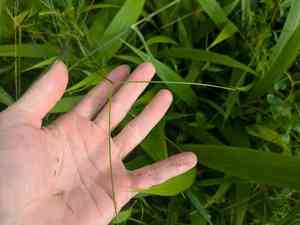
T-grass (Paspalum conjugatum)
Also known as: Buffalo grass
Characterized by its T-shaped panicles, Crabgrass is occasionally used in lawns. However, it spreads aggressively by runners, making it invasive and potentially harmful to crops. It forms a dense ground cover that is generally not favored by cattle, though water buffalo (Bubalus bubalis) may graze on it occasionally.
In This Article
Attributes of T-grass
Lifespan
Perennial
Plant Type
Grass
Plant Height
30 cm to 60 cm
Spread
Spreads widely via stolons, no defined crown
Leaf Color
Green
Flower Size
6 cm to 12 cm
Flower Color
Yellow
Images of T-grass
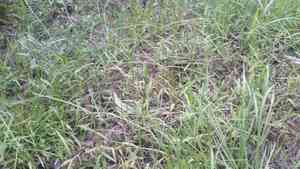
Quickly Identify T-grass
1
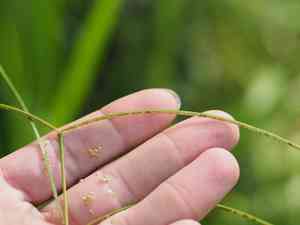
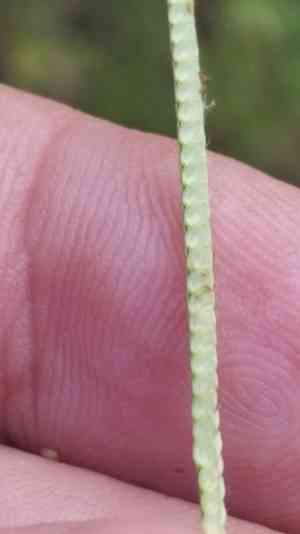
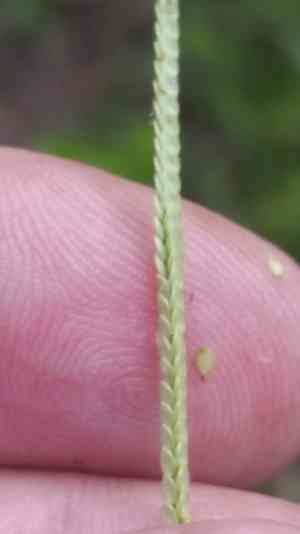
Look for elongate, flat blades that are typically around 15-30 cm long. The stems (culms) are flattened and can root at the nodes. The inflorescence consists of two to three racemes, spread apart in a V-shape.
Scientific Classification of T-grass
Phylum
Vascular plants
Class
Monocotyledons
Order
Poales
Family
Grass
Genus
Paspalum
Species
T-grass
Planting and Growing of T-grass
Care Difficulty
Easy
Watering Schedule
Every 6 days
Sunlight Requirements
Full sun
Sunshine Duration
6-10 hours
Ideal Temperature
68-86℉
Soil Type
Potting Mix, Peat Mix
Soil pH
6.5-7.5
Fertilizer Type
Balanced
Pruning Season
Spring, Summer
Pruning Area
Branches, Leaves
Pruning Frequency
2 times a year
Repotting Season
Spring
Pot Type
Plastic, Ceramic
 How to Water T-grass?
Paspalum conjugatum requires a moderate watering approach, ensuring the soil remains moist but not waterlogged. Aim to penetrate the soil enough until water just begins to seep through the drainage holes, thus ensuring even root hydration.
What are the symptoms of an underwatered T-grass?
›
What should I do if my T-grass is not getting enough water?
›
What are the symptoms of an overwatered T-grass?
›
How to save an overwatered T-grass?
›
 What Are the Sunlight Requirements for T-grass?
Paspalum conjugatum thrives in areas with partial to full sunlight, ideally receiving 4 to 6 hours of exposure. This range fosters robust growth and ensures the plant remains resilient and vibrant through fluctuating conditions.
More About Sunlight Requirements Techniques→
What is the ideal lighting for Paspalum conjugatum?
›
How can you provide ideal lighting for this plant?
›
What benefits does ideal lighting bring to Paspalum conjugatum?
›
 What Is the Ideal Temperature Range for T-grass?
The ideal temperature range for cultivating Paspalum conjugatum is between 68°F and 86°F. This range provides optimal conditions for growth and metabolic functioning. Within this range, the plant's physiological processes, including photosynthesis and respiration, occur efficiently, supporting healthy development and reproduction. Ensuring that temperatures remain consistent within this range minimizes stress and promotes vigorous growth.
 What Soil is Best for T-grass?
Paspalum conjugatum thrives in well-drained soils which prevent waterlogging and root rot. This ability to drain excess water ensures healthy roots and vigorous growth. This plant benefits from soil rich in organic matter. The nutrients provided support lush and resilient growth, as well as improve soil texture and moisture retention. Consistently moist soil is crucial to avoid stress and dehydration. Maintaining the right moisture level promotes continuous growth and vibrant green foliage.
 How to Fertilize T-grass?
Apply liquid fertilizer at a half-strength dosage each time to avoid over-fertilization. For solid fertilizers, follow package instructions, but generally, 50-75 grams per square meter is adequate.
 How to Prune T-grass?
Begin by selecting sharp and clean pruning shears or scissors. This ensures smooth cuts and prevents disease transmission. Disinfect your tools with rubbing alcohol before use. Examine the plant to understand its growth habit. Paspalum conjugatum typically grows in a creeping fashion, so focus on trimming excessively long runners to maintain a neat shape. Prune back the long runners close to the base of the plant. This helps control the spread of Paspalum conjugatum and redirects energy to strengthen the remaining foliage. Remove any discolored or tattered leaves to improve the overall health and appearance of the plant. Clean cuts at the base of these leaves prevent potential pest infestations. While shaping the plant, aim for a natural look rather than harsh lines. This promotes even regrowth and maintains the plant’s aesthetic appeal.
More About Pruning Techniques→
 How to Propagate T-grass plant?
1
Before propagation, prepare the soil by ensuring it is loose, well-drained, and enriched with organic matter. This provides a conducive environment for seed germination and root development.
2
For seed propagation, evenly distribute seeds over the prepared soil and lightly cover them with a thin layer of soil. Water gently to avoid displacing seeds.
3
Using a sharp tool, divide existing clumps into smaller sections. Ensure each section has roots attached. Replant immediately at the same depth as the parent plant.
 How to Repot T-grass plant?
1
Look for signs such as roots emerging from drainage holes, soil that dries out quickly, or stunted growth. These are indicators that Paspalum conjugatum needs more space or fresher soil to thrive.
2
Select a pot that is one size larger than the current one with good drainage holes. This prevents waterlogging and ensures the roots have room to expand, which promotes healthier growth.
3
Opt for a well-draining potting mix with added organic matter for nutrients. This type of soil prevents water retention, reducing the risk of root rot, and supports vigorous growth.



