How to Transplant Drummond's nailwort?
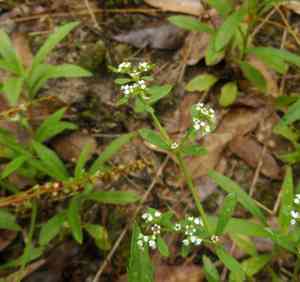
Drummond's nailwort flourishes when relocated during the lively period of early to mid-spring, as the climate fosters robust root growth. Select a spot that receives full sun or partial shade, featuring soil that drains effectively. Steer clear of excessively damp zones to guarantee successful integration.
Essential Preparations Before Relocating Drummond's Nailwort?
Optimal Timing for Drummond's Nailwort Relocation?
The best period to move drummond's nailwort is from early to mid-spring. This timeframe benefits from mild temperatures and increasing daylight, promoting robust root development before summer heat. Transplanting drummond's nailwort then encourages vigorous growth and enhances its chances of flourishing throughout the season.
Recommended Spacing Between Drummond's Nailwort Plants?
For drummond's nailwort, aim for a spacing of approximately 6-12 inches (15-30 cm) between plants. This provides ample room for individual growth while maintaining a dense, full appearance.
Ideal Soil Blend for Drummond's Nailwort Transplanting?
Prepare a well-draining soil for drummond's nailwort. A sandy or loamy mixture is effective. Incorporating a balanced base fertilizer, such as a 10-10-10 (N-P-K) formula, can give plants a strong start. Mix the fertilizer into the soil prior to transplanting.
Choosing a New Location for Your Drummond's Nailwort?
Select a sunny location for moving drummond's nailwort. They thrive best in full sun, requiring at least 6-8 hours of direct sunlight daily. This promotes strong and vibrant plant development.
Tools Required Before Relocating Drummond's Nailwort?
Gardening Gloves
To safeguard your hands when handling soil and plants.
Trowel
For digging and loosening the earth around the plant.
Shovel or Spade
To excavate a hole and assist in lifting the plant from the ground.
Watering Can or Hose
To hydrate the soil both before and after the transplant.
Wheelbarrow or Bucket
For moving the plant to its new spot.
Stakes and Twine (if needed)
To offer support to the plant post-transplant.
Method for Extracting Drummond's Nailwort from the Soil?
Method for Extracting Drummond's Nailwort from the Soil?
From Ground: First, moisten the soil around the drummond's nailwort plant. Then, use a shovel or spade to dig a wide trench around the plant, ensuring the root ball remains intact. Carefully work the spade beneath the root ball to lift the plant from its original position.From Pot: Gently tilt the pot sideways and tap its base to loosen the soil. Hold the base of the drummond's nailwort plant and carefully pull it out, avoiding root damage. If stuck, run a knife along the pot's inner edge to free it.From Seedling Tray: Water the tray to dampen the soil. Using a trowel or your fingers, carefully scoop out the seedling with its surrounding soil, taking care not to disturb the roots.
Step-by-Step Guide for Relocating Drummond's Nailwort
Site Preparation
Clear the area of weeds and debris. Ensure the location is ready for the drummond's nailwort plant.
Dig the Hole
Excavate a hole twice as wide but the same depth as the root ball of your drummond's nailwort plant.
Plant Removal
Refer to the appropriate technique for extracting the drummond's nailwort plant from its initial spot.
Transplant
Carefully place the drummond's nailwort plant into the hole, ensuring it sits at its original growing depth. Backfill the hole with soil, gently firming around the plant's base.
Water Thoroughly
Water the drummond's nailwort plant well after planting to help settle the soil around its roots.
Stake the Plant (if necessary)
If the plant is tall and requires support, use stakes and twine to secure it.
Post-Transplant Care for Drummond's Nailwort?
Watering
Keep the soil around the drummond's nailwort consistently moist, but not waterlogged, for the initial weeks after transplanting to aid strong root establishment.
Mulching
Apply a layer of mulch around the base of the drummond's nailwort plant to retain moisture and inhibit weed growth.
Monitoring
Observe the drummond's nailwort plant for signs of transplant shock, such as wilting or yellowing leaves. Address any issues promptly.
Resolving Common Issues with Drummond's Nailwort Relocation.
When is the best time to move drummond's nailwort?
Relocate drummond's nailwort in early to mid-spring for optimal results. Aim for when the soil is workable.
What spacing is needed for each drummond's nailwort?
Allow 6-12 inches (15-30 cm) between each drummond's nailwort plant for adequate growth.
What kind of soil does drummond's nailwort require?
Drummond's nailwort thrives in well-drained, sandy or gravelly soil to prevent root rot.
How deep should I plant drummond's nailwort?
Plant drummond's nailwort at its previous growing depth to minimize stress.
Should I water drummond's nailwort immediately after moving it?
Water drummond's nailwort thoroughly after transplanting to help establish roots. Avoid saturating the soil.
How should I handle the roots when moving drummond's nailwort?
Gently loosen the roots of drummond's nailwort to encourage spreading, but avoid causing damage.
What if my drummond's nailwort wilts after relocation?
If drummond's nailwort wilts, ensure it's not over or underwatered, and provide some initial shade.
How can I prevent transplant shock in drummond's nailwort?
Minimize root disturbance and keep drummond's nailwort well-hydrated to reduce transplant shock.
Is fertilization necessary for drummond's nailwort after transplanting?
Fertilize drummond's nailwort sparingly after transplanting, as excessive nutrients can stress it. Use a balanced fertilizer.
Is mulch beneficial for relocated drummond's nailwort?
Applying mulch around drummond's nailwort can help retain soil moisture and reduce weeds, aiding growth.



