How to Prune Drummond's nailwort?
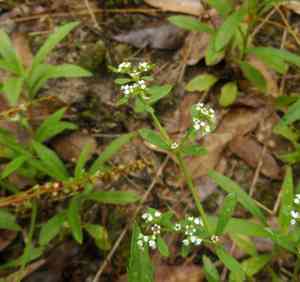
Drummond's nailwort flourishes with consistent trimming to preserve its dense shape and encourage fresh development. Perform pruning in early spring, mid-summer, and early autumn, eliminating any deceased or compromised stems. Gentle shaping can be carried out during the entire cultivation period. Refrain from extensive pruning in autumn to avert damage during winter. Trimming improves air movement and diminishes the likelihood of disease. Employing these techniques, drummond's nailwort will stay robust and lively, contributing aesthetic appeal to your outdoor space.
What Are the Benefits of Pruning Drummond's Nailwort?
What Are the Benefits of Pruning Drummond's Nailwort?
Drummond's nailwort thrives with pruning, which encourages vigorous growth and helps maintain its desired form, essential for managing its size. Pruning also enhances its overall look and fosters robust development, increasing its resistance to pests and diseases.
What Is the Best Time for Pruning Drummond's Nailwort?
What Is the Best Time for Pruning Drummond's Nailwort?
Trimming drummond's nailwort during these periods ensures the plant experiences minimal stress and recovers quickly, promoting strong growth and vitality. In Spring, pruning stimulates new growth as the plant exits dormancy. Summer pruning aids in controlling the plant's size and shape while supporting its lush appearance. Fall pruning prepares drummond's nailwort for winter, removing dead or diseased sections, thereby preventing overwintering pests and diseases. These timings align with drummond's nailwort's natural growth and flowering cycles, facilitating optimal development and upkeep.
What Tools Do I Need to Prune Drummond's Nailwort?
Hand Pruners
Ideal for precise cuts on drummond's nailwort; their compact size allows for easy navigation around delicate areas.
Pruning Shears
Excellent for shaping drummond's nailwort and removing any dead or unwanted stems, ensuring clean cuts that encourage healthy growth.
Garden Scissors
Useful for snipping small branches and leaves of drummond's nailwort, providing accuracy without causing unnecessary harm to the plant.
How to Prune Drummond's Nailwort
Preparation
Ensure your pruning tools are clean and sharp to prevent disease transmission and achieve precise cuts.
Inspection
Carefully examine drummond's nailwort for any withered leaves. Identifying affected areas will ensure a thorough and effective pruning process.
Identification
Locate the point where the withered leaf connects to the stem. This will be the area for removal to ensure plant health.
Trimming
Using clean, sharp pruning shears, make a clean cut to remove the withered leaf. Ensure no part of the withered leaf remains on the plant.
Cleanup
Collect and dispose of withered leaves properly to avoid potential disease or pest infestation, and ensure remaining plant parts are healthy and clean.
Common Pruning Mistakes with Drummond's Nailwort
Over-pruning
Excessive trimming can weaken drummond's nailwort and reduce its ability to produce flowers. This can stress the plant and make it more vulnerable to diseases and pests.
Incorrect Cutting Technique
Using dull or dirty tools can result in jagged cuts that do not heal properly. Improper cutting angles can also damage the plant tissue.
Pruning at the Wrong Size
Removing branches that are either too small or too large can hinder drummond's nailwort's natural growth pattern and structural integrity.
Ignoring Dead or Diseased Sections
Failing to remove dead or diseased parts of drummond's nailwort can allow infections to spread to healthy sections of the plant.
Lack of Regular Maintenance
Infrequent pruning can lead to an overgrown and unhealthy plant. Regular maintenance ensures that drummond's nailwort remains manageable and healthy.
Common Pruning Tips for Drummond's Nailwort
Use Sharp, Clean Tools
Always use clean, sharp pruning shears to make clean cuts. This minimizes plant damage and reduces disease risk.
Follow the Natural Shape
Prune drummond's nailwort to maintain its natural form, focusing on thin, weak, or crossing branches. This promotes healthy growth and prevents overcrowding.
Make Clean Cuts
Cut at a 45-degree angle, just above an outward-facing bud to encourage natural growth and prevent water accumulation on the cut surface.
Remove Dead or Diseased Wood
Prune any visibly dead or diseased wood immediately to prevent infection spread and promote healthy growth.
Moderation is Key
Prune moderately, removing no more than one-third of the plant's growth at any given time. This helps maintain the plant's health and vitality.



